
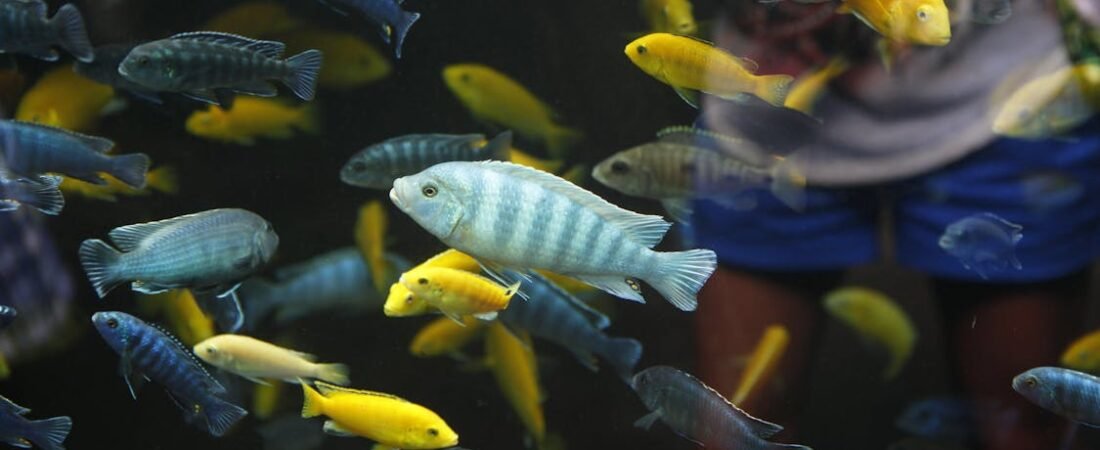
There is something about the way spring light comes through a window and hits a fish tank that makes the whole room feel alive. The plants seem greener, the fish seem more active, and for a brief, peaceful moment, everything looks exactly right. And then you notice the algae creeping across the glass, the filter sounding a little sluggish, and that slightly cloudy tint to the water that was not there a month ago.
I have been there more times than I can count. Every spring, the longer daylight hours and warmer room temperatures nudge the tank into a new rhythm, and if the maintenance routine does not shift along with it, little problems have a way of quietly stacking up. The good news is that a seasonal refresh does not have to be complicated. It just takes a bit of attention and a gentle hand.
Start with What the Water Is Telling You
Before changing anything, it helps to know where things stand. Testing your water is the single most useful habit in fishkeeping, and spring is an especially good time to check in. Ammonia, nitrite, nitrate, and pH can all shift subtly as temperatures change and biological activity increases in the tank.
An API Freshwater Master Test Kit has been a staple in our home since the very beginning. The liquid tests are far more reliable than strip tests, and the color-coded results make it easy to spot anything that needs attention. Even when the tank looks perfectly clear, the numbers sometimes tell a different story, and catching a small imbalance early is always easier than fixing a big one later.
The Gentle Art of the Water Change
If there is one thing I wish someone had told me early on, it is that consistency matters more than volume when it comes to water changes. A 20 to 25 percent change once a week does far more good than a dramatic 50 percent change once a month. The goal is stability, not disruption. Fish thrive in predictable environments, and large, sudden changes to water chemistry can cause more stress than the problem they are meant to solve.
During spring, I tend to be a little more attentive to the schedule because warmer water holds less dissolved oxygen and organic waste breaks down faster. If the tank is near a window, the extra sunlight can accelerate algae growth and shift the balance further. Staying on top of regular changes keeps everything in a comfortable range without dramatic interventions.
Giving the Filter Some Love
Spring is a wonderful time to check in on your filter, but with one important caveat: never clean filter media under tap water. The chlorine in tap water destroys the beneficial bacteria colonies that are doing the real work of keeping your tank healthy. Instead, rinse the media gently in a bucket of old tank water during a water change. It is one of those small habits that makes a tremendous difference.
If the flow has slowed noticeably, check the impeller for debris and make sure the intake is not clogged. A filter that is running but barely moving water is not doing its job, and in warmer months when biological activity picks up, good circulation becomes even more important.
Algae: The Uninvited Spring Guest
A little algae in a fish tank is perfectly normal and, in many ways, a sign of a living ecosystem. But spring has a way of tipping the balance, especially if the tank receives more natural light than it did during the winter months. If you are noticing green film on the glass or fuzzy patches on decorations, our deeper dive into making peace with algae in a new aquarium may help you understand what is happening. It is usually the tank’s way of telling you that light and nutrients are slightly out of balance.
The first step is to check how long your lights are running each day. Most freshwater tanks do well with 6 to 8 hours of light. A simple outlet timer can automate this so you do not have to think about it. For the glass itself, a magnetic algae cleaner like the Aqueon Algae Cleaning Magnet makes quick work of the buildup without disturbing the tank or getting your hands wet. It has become one of those tools I reach for almost every week, and it keeps the viewing glass crystal clear with almost no effort.
A Quick Health Check for Your Fish
While you are tending to the tank, take a few extra minutes to really observe your fish. Spring temperature shifts, even subtle ones from a room warming up during the day and cooling at night, can stress some species. Look for changes in appetite, color, fin condition, or behavior. A fish that is hiding more than usual or hovering near the surface may be responding to something in the water that numbers can catch early.
Check your heater to make sure it is still holding the temperature steady. Our guide to aquarium temperature as the seasons change covers this in more detail. As ambient room temperature rises, some heaters can overshoot if they are not adjusted. A reliable thermometer on the opposite side of the tank from the heater gives you the most accurate reading of what your fish are actually experiencing.
There is a meditative quality to spring tank maintenance that I have come to genuinely look forward to. The quiet rhythm of siphoning water, wiping glass, and watching your fish glide through a freshly refreshed environment is its own kind of seasonal ritual. Your tank does not need perfection. It just needs a little attention, offered gently and consistently, and it will reward you with that peaceful, glowing beauty that made you fall in love with fishkeeping in the first place.
Frequently Asked Questions
How often should I do a full deep clean of my aquarium?
A full deep clean is rarely necessary and can actually be harmful, as it disrupts the beneficial bacteria your tank depends on. Instead, focus on regular weekly maintenance like partial water changes, glass cleaning, and filter checks. A seasonal refresh is about tuning up what you already have, not starting over.
Should I remove my fish during spring cleaning?
For routine maintenance, there is no need to remove your fish. Keeping them in the tank is less stressful for them than netting and transferring. Just work gently and avoid making sudden changes to water chemistry or temperature during the process.
Why does my tank get cloudier in spring?
Warmer room temperatures and increased daylight can accelerate biological activity in your tank. This sometimes shows up as slight cloudiness or increased algae growth. Adjusting your light schedule and staying consistent with water changes usually brings things back into balance within a week or two.
Leave a Reply
You must be logged in to post a comment.