
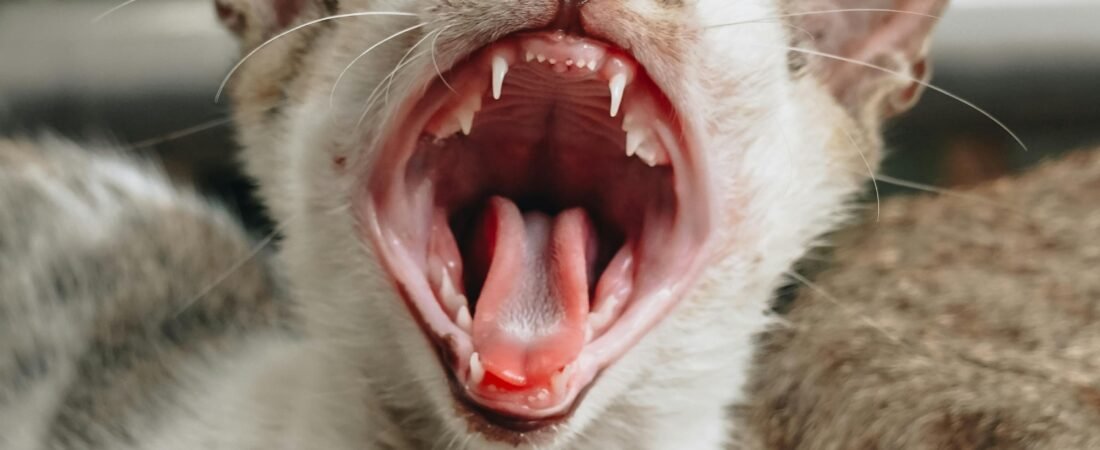
It is one of those things that quietly slips past us. We keep up with their food, their vet visits, their playtime, and their favorite napping spots. But when it comes to our cats’ teeth, many of us (myself included, for longer than I would like to admit) simply do not think about it until something goes wrong.
If you have ever caught a whiff of your cat’s breath and thought, “that does not seem right,” you are already picking up on something worth paying attention to. The truth is, dental health is one of the most overlooked areas of cat care, and it is also one of the most impactful. What we feed our cats plays a role too, and if you are exploring your options, our guide to combo feeding your cat touches on how wet and dry food each contribute to dental health. The good news? There are small, manageable things we can do at home that make a genuine difference.
Why It Matters More Than We Think
Some studies suggest that the majority of cats over the age of three show some signs of dental disease. That number surprised me when I first came across it, because our cats never showed any obvious discomfort. But cats are remarkably good at hiding pain. By the time they stop eating or start drooling, the problem has often been developing quietly for a long time.
What makes dental health especially important is that it does not stay contained to the mouth. Bacteria from inflamed gums can enter the bloodstream and potentially affect the heart, kidneys, and liver over time. Taking care of those tiny teeth is really about taking care of the whole cat. Hydration matters here too, since a well-hydrated mouth is a healthier mouth. Our post on gentle ways to help your cat drink more covers that side of things beautifully.
Starting with the Toothbrush (Yes, Really)
I know. The idea of brushing a cat’s teeth sounds like a comedy sketch waiting to happen. And the first time I tried it, it kind of was. But with patience and a very slow introduction, it became a surprisingly manageable part of our routine.
The key is to take it in stages. Start by letting your cat lick a little pet-safe toothpaste off your finger. Get them used to the taste and the idea of you being near their mouth. Over a few days, you can work up to gently rubbing their gums with your finger, then eventually introduce a soft-bristled brush or a finger brush. The first few sessions might last all of five seconds, and that is perfectly fine.
We have been using the Virbac C.E.T. Enzymatic Toothpaste in the poultry flavor, and our cats actually seem to enjoy the taste. The enzymatic formula helps break down plaque even without vigorous brushing, which takes some of the pressure off those early attempts. It is not glamorous, but a few gentle swipes along the gum line a few times a week can make a real difference over the long run.
When Brushing Is Not in the Cards
Let us be honest. Some cats will never tolerate a toothbrush, no matter how patient and creative we are. And that is okay. There are other options that can still support dental health, even if they are not quite as effective as brushing.
Dental treats are one of the easiest additions to a daily routine. We keep a jar of Greenies Feline Dental Treats in the kitchen, and our cats come running at the sound of the lid. These treats have a crunchy texture designed to help reduce tartar, and they carry the Veterinary Oral Health Council seal of approval, which means they have been tested and shown to be effective. They are not a replacement for brushing, but as part of a broader approach, they are a lovely, easy option.
Water additives are another gentle tool. You simply add a small amount to your cat’s water bowl each day, and the formula works to reduce bacteria in the mouth. Some cats do not notice the change at all, while others might be a little suspicious at first. If your cat is particular about their water (and let us be real, many of them are), introducing it gradually at a lower concentration can help.
The Professional Side of Things
Home care is a wonderful complement to professional dental cleanings, but it is not a complete substitute. Your veterinarian can spot things during an exam that we simply cannot see at home, especially below the gum line. Most vets recommend a dental check at least once a year, and some cats may benefit from professional cleanings under anesthesia as they get older.
If the thought of your cat going under anesthesia feels a little scary, you are not alone. It is a conversation worth having with your vet so they can walk you through the process and help you feel comfortable with the decision. In most cases, the benefits of a thorough cleaning far outweigh the risks, especially for cats who already have signs of gum disease.
Small Steps, Lasting Impact
The beautiful thing about dental care is that you do not have to do everything all at once. Maybe you start with dental treats this week. Maybe next month you try a little toothpaste on your finger and see how it goes. Every small effort adds up, and every gentle moment spent caring for your cat’s teeth is a quiet act of love that they may never fully understand, but will absolutely benefit from.
In the end, those tiny teeth are part of what makes our cats who they are, from the delicate way they groom themselves to the soft little yawns that reveal a flash of white. Taking care of them is just another way of saying, “I see you, and I want you to feel your best.” And that is what companionship is all about.
Frequently Asked Questions
How often should I brush my cat’s teeth?
Daily brushing is ideal, but even a few times a week can make a meaningful difference. The key is consistency rather than perfection. If your cat only tolerates a few seconds of brushing, those few seconds still help more than skipping it entirely.
What are the signs of dental problems in cats?
Bad breath is often the first thing people notice, but other signs include drooling, pawing at the mouth, reluctance to eat, dropping food, or red and swollen gums. Cats are very good at hiding discomfort, so even subtle changes in eating behavior are worth mentioning to your vet.
Are dental treats enough to keep my cat’s teeth healthy?
Dental treats are a helpful addition to a dental care routine, but they are not a complete solution on their own. Think of them as one piece of a larger picture that includes brushing when possible, regular vet checkups, and paying attention to your cat’s overall oral health. Every little bit contributes.
Leave a Reply
You must be logged in to post a comment.