
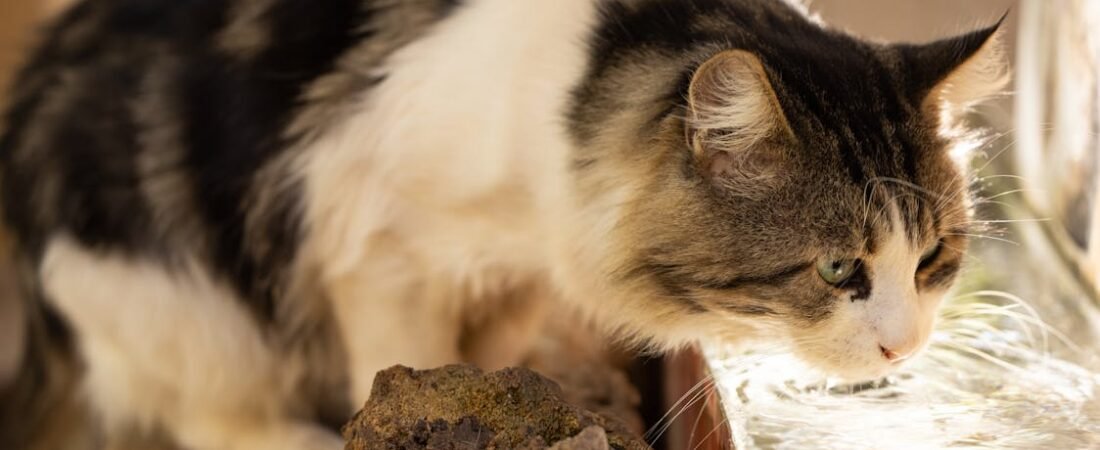
It is one of those quiet worries that creeps up on you. You glance at the water bowl and realize it looks just as full as it did this morning. Your cat seems fine, happy even, curled up in a sunbeam without a care in the world. But somewhere in the back of your mind, a small voice asks: is my cat drinking enough?
If this sounds familiar, you are far from alone. Cats are notoriously reluctant drinkers, and it is one of the most common concerns that comes up in cat communities online. The good news is that there are simple, gentle ways to encourage hydration without turning it into a battle of wills.
Why Cats Are Picky About Water
Cats descended from desert-dwelling ancestors who got most of their moisture from prey. That instinct still lingers. Unlike dogs, who will happily lap up a bowl of water after a walk, many cats seem almost indifferent to still water sitting in a dish. It is not stubbornness. It is simply how they are wired.
On top of that, cats have a heightened sensitivity to taste and smell. Stale water, water that sits near their food, or water in a bowl that retains the faintest hint of soap can be enough to make them walk right past it. Their preferences might seem particular, but once you understand them, working with those instincts becomes much easier.
Location, Location, Location
One of the simplest changes that made the biggest difference in our home was moving the water bowl away from the food. In the wild, cats instinctively avoid water sources near their kill because of contamination risk. That ancient logic still plays out in our kitchens. Placing water in a different room, or at least several feet from the food dish, can spark an immediate change in drinking habits.
Multiple water stations around the house also help. A bowl in the hallway, one near a favorite napping spot, and another in a quiet corner of the living room give your cat options. Cats are creatures of opportunity, and a water source that happens to be right there when they pass by is more likely to get used than one that requires a special trip to the kitchen.
The Magic of Moving Water
If your cat ignores their bowl but comes running when you turn on the bathroom faucet, you have already discovered the secret: many cats are drawn to moving water. It is fresher, more oxygenated, and more interesting to a curious feline mind.
A water fountain can be a wonderful solution. The Veken Stainless Steel Cat Water Fountain is one we have been happy with in our home. The stainless steel is easy to clean (no plastic taste to worry about), the multi-stage filtration keeps the water fresh, and the gentle stream is just interesting enough to draw our cats in without startling them. It holds enough water for several days, which is lovely for peace of mind.
For cats who prefer a more playful interaction with their water, the Catit PIXI Drinking Fountain offers multiple flow settings, from a gentle bubble to a steady stream, so you can experiment with what your particular companion prefers. Some cats like to paw at the water first, and the PIXI’s design invites that kind of exploration.
Give Them Time to Adjust
If you bring home a fountain and your cat stares at it suspiciously from across the room for a week, that is perfectly normal. Cats are cautious about new things in their environment, and it can take anywhere from a few days to a couple of months before they feel comfortable drinking from it. Keep the old water bowl available during the transition so your cat always has a familiar option. Patience is everything here.
Sneaking Hydration Into Meals
Sometimes the most effective approach is not about the water bowl at all. Adding a splash of warm water to wet food, or stirring a tablespoon of low-sodium chicken broth into their meal, can significantly increase daily water intake without your cat even realizing it. If your cat currently eats mostly dry food, even adding one wet meal per day can make a meaningful difference. Our guide to combo feeding your cat walks through how to introduce wet food alongside dry in a way that works for both of you.
Some cat owners also have success with “kitty soup,” a small dish of warm water with just a hint of tuna juice or broth. It is not a meal, just a little hydration treat that appeals to your cat’s love of interesting flavors. The warmth releases more aroma, which can be especially enticing.
Bowl Matters More Than You Think
Cats can be particular about their drinking vessel, and that is okay. Wide, shallow bowls tend to be preferred over deep, narrow ones because cats generally do not like their whiskers touching the sides. Ceramic or stainless steel is ideal since plastic can harbor bacteria and develop an off-putting taste over time.
Keeping the bowl (or fountain) sparkling clean also matters more for cats than we might expect. A quick rinse and refill with fresh water once or twice a day can make the difference between a bowl that gets ignored and one that gets used.
Signs to Watch For
While most cats simply need a little encouragement, it is worth knowing the signs that could point to something more serious. Skin that does not spring back quickly when gently pinched, dry or tacky gums, lethargy, or a noticeable drop in appetite can all signal dehydration. If you notice any of these, a visit to your veterinarian is a good idea. They can check for underlying issues and help you find the right hydration plan. Good hydration also supports dental health, which is another area that often goes overlooked. Our post on cat dental care at home covers that connection for your cat’s specific needs.
Meeting Them Where They Are
At the end of the day, helping a cat drink more water is less about finding the “right” trick and more about understanding who your cat is. Some will fall in love with a fountain on day one. Others will only drink from a ceramic mug on the nightstand. And a few will insist on the bathroom faucet no matter what you try. All of these are fine. The beauty of living with a cat is learning their quiet preferences and honoring them, one small bowl of fresh water at a time.
Frequently Asked Questions
How much water should a cat drink per day?
A general guideline is about 4 ounces of water per 5 pounds of body weight per day, but this varies depending on diet. Cats who eat mostly wet food naturally take in more moisture and may drink less from a bowl. If your cat eats primarily dry food, their water intake from the bowl becomes more important.
Is it normal for my cat to drink from the faucet instead of their bowl?
Completely normal. Many cats are naturally drawn to running water because it tends to be fresher and more oxygenated than still water. If your cat prefers the faucet, a water fountain can be a great compromise that gives them the flowing water they love without needing you to turn on the tap.
Can dehydration be serious for cats?
Yes, chronic low water intake can contribute to urinary tract issues and kidney problems over time. While mild preferences for less water are common in cats, persistent signs of dehydration like lethargy, dry gums, or reduced skin elasticity warrant a conversation with your veterinarian.
Leave a Reply
You must be logged in to post a comment.