
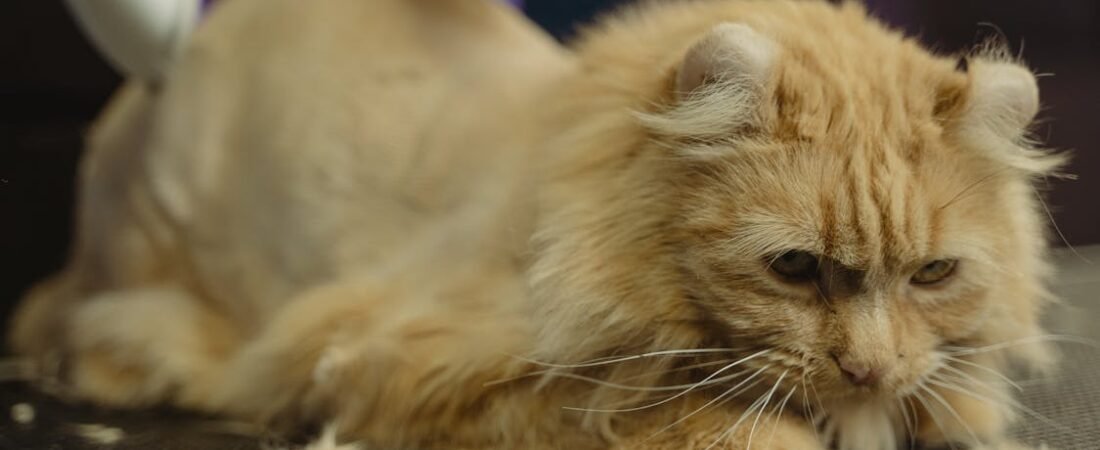
Cats are naturally meticulous groomers. It is one of the things that makes them such elegant companions, that quiet, deliberate attention to every inch of their coat. But there is a line between healthy grooming and something more, and when a cat crosses it, the signs can be easy to miss at first. A slightly thinner patch of fur on the belly. A spot on the inner leg that looks a little bare. By the time it becomes obvious, the habit may already be deeply rooted.
I first noticed it with one of our cats during a particularly busy stretch at home. Furniture was being rearranged, routines were shifting, and somewhere in all of that disruption, the licking intensified. It was subtle enough that I almost dismissed it as normal grooming. But when a small bald spot appeared along the belly, it became clear that something deeper was going on. That experience taught me more about the inner world of cats than almost anything else.
Why Cats Overgroom
Overgrooming, sometimes called psychogenic alopecia, is often a self-soothing behavior. When a cat feels stressed or anxious, licking releases endorphins that provide a brief sense of relief. Over time, what begins as a coping mechanism can become compulsive, continuing even after the original stressor has passed. It is not unlike how we might bite our nails or fidget during stressful moments, except our cats wear the evidence on their bodies.
It is important to note that not all overgrooming is stress-related. Allergies, skin irritations, fleas, and other medical conditions can also cause excessive licking. A visit to the vet is always the best first step to rule out anything physical before exploring behavioral causes. Once medical issues are off the table, you can begin looking at the emotional landscape. Learning to read the subtle signals your cat sends can help you catch stress early. Our post on reading what your cat is really saying is a wonderful place to start. You can begin looking at the emotional landscape of your cat’s world.
The Quiet Triggers
Cats are creatures of routine, and even changes that seem minor to us can feel significant to them. A new piece of furniture, a shift in daily schedules, a new pet or person in the home, even construction noise from a neighboring property can all create low-level stress that builds over time. Indoor cats, in particular, are more susceptible because their world is smaller and more contained. Every change within that world carries more weight.
Speaking of indoor environments, boredom can also play a role. A cat who spends long hours alone without enough stimulation may turn to grooming. Safe outdoor access through something like a catio can be a wonderful way to add enrichment for indoor cats. A cat who spends long hours alone without enough stimulation may also turn to grooming simply because there is nothing else to do. The licking becomes a way to fill the quiet hours, and once it becomes a pattern, it can be difficult to break.
Creating Calm
One of the most effective things we did was introduce a FELIWAY Classic Calming Diffuser into the room where our cat spent most of her time. These diffusers release a synthetic version of the feline facial pheromone, the same one cats deposit when they rub their cheeks against surfaces to mark them as safe. It is not a miracle cure, but in our experience, it helped take the edge off enough for other changes to have room to work. Within a couple of weeks, the grooming sessions seemed shorter and less frantic.
Similarly, creating a few safe, elevated spaces where a cat can observe the household from above can make a real difference. A high shelf with a soft blanket or a window perch where sunlight pours in gives a cat a retreat that feels secure. Cats feel most at ease when they have options, places to hide, places to climb, and places to simply watch the world go by.
Enrichment as Medicine
For cats who overgroom out of boredom, adding enrichment can redirect that energy in healthier directions. Interactive toys, puzzle feeders, and even something as simple as a crinkly ball tossed across the floor can break up the monotony of a quiet day. We found that rotating toys every few days kept things feeling fresh without needing to buy something new each week.
Dedicated play sessions also made a noticeable difference. Even ten or fifteen minutes of wand-toy play in the evening gave our overgroomer something to look forward to and an outlet for the energy that had been funneling into licking. The key was consistency. A short play session every day did more than a long one once a week.
Patience and Presence
Resolving overgrooming is rarely a straight line. There are good weeks and setbacks, moments where the fur grows back beautifully and moments where a new stressor brings the licking back. The temptation to feel frustrated is real, but cats respond to the emotional temperature of their environment. Staying calm, maintaining routines, and simply being a steady, reassuring presence in their space does more than any single intervention.
If overgrooming persists despite environmental changes, it is worth having a deeper conversation with your vet about behavioral support. Some cats benefit from additional strategies that your veterinary team can tailor to your specific situation.
In the end, a cat who overgrooms is not a difficult cat. They are a sensitive soul navigating a world that felt, for a moment, a little too much. By paying attention to the small signals, softening the environment, and meeting them where they are, you offer something no product or technique can replace: the quiet assurance that their home is a safe place to simply be. And sometimes, that is all they need to let the fur grow back on its own.
Frequently Asked Questions
How can I tell if my cat is overgrooming or just grooming normally?
Normal grooming results in a smooth, even coat. Overgrooming typically shows up as thinning fur, bald patches, or irritated skin, most commonly on the belly, inner legs, or flanks. If you notice your cat spending noticeably more time grooming than usual, or if you can see skin through the fur, it is worth paying closer attention.
Will the fur grow back once my cat stops overgrooming?
In most cases, yes. Once the underlying cause is addressed, whether it is stress, a medical issue, or environmental changes, the fur typically grows back within a few weeks to a couple of months. If the overgrooming was severe or long-standing, it may take a bit longer, but regrowth is a good sign that your cat is feeling better.
Should I stop my cat when I see them grooming excessively?
It is best not to interrupt or punish the behavior directly, as this can add to your cat’s stress. Instead, try gently redirecting their attention with a toy or a quiet play session. Addressing the root cause, whether through environmental enrichment, stress reduction, or veterinary support, is more effective than trying to stop the grooming itself.
Leave a Reply
You must be logged in to post a comment.