
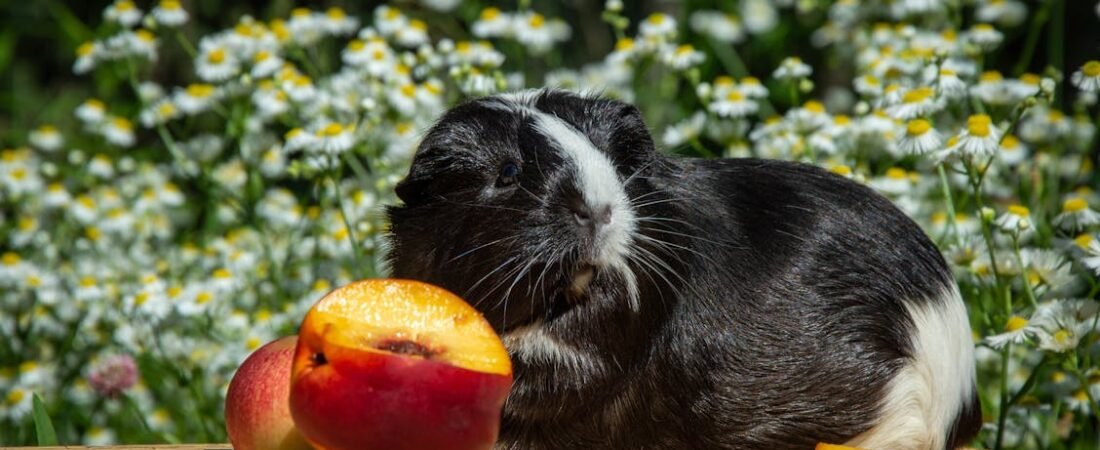
If you have ever opened a fresh bag of timothy hay and found yourself sneezing before your guinea pig even had a chance to wheek with excitement, you are not alone. Hay allergies are one of the most common surprises for guinea pig owners, and they tend to hit hardest in the spring when seasonal allergies are already making life a little stuffy. The good news is that an allergy to timothy hay does not have to mean giving up your companion. There are gentle, practical solutions that let both of you breathe a little easier.
I remember the first time it happened in our home. A brand new bag of timothy hay, freshly opened, and within minutes my eyes were watering and the sneezing would not stop. At first I assumed it was just spring doing its thing. But the pattern kept repeating, always tied to hay time, and it became clear that the culprit was sitting right there in the bag.
Why Timothy Hay Triggers Allergies
Timothy hay is a grass hay, and like many grasses, it carries pollen and produces fine dust particles when handled. For people who are already sensitive to grass pollen or seasonal allergens, timothy hay can feel like an amplifier. The dust that rises when you pull apart a flake of hay contains tiny particles that irritate the airways, and in spring, your body’s histamine response may already be on high alert.
What makes this tricky is that guinea pigs need unlimited hay every single day. It is the foundation of their diet, essential for digestion and dental health. So the thought of “just removing the hay” is not an option. The hay stays. The question becomes how to make it work for everyone in the household.
Orchard Grass: The Gentle Alternative
The single most effective change for many guinea pig owners with hay allergies is switching from timothy hay to orchard grass hay. Orchard grass tends to be softer, with less dust and lower pollen content than timothy. Many people who sneeze their way through a bag of timothy report little to no reaction when handling orchard grass.
Nutritionally, orchard grass holds its own. It is high in fiber, has a good calcium-to-phosphorus ratio, and is only slightly lower in protein compared to timothy. Guinea pigs tend to enjoy its sweeter flavor and softer texture, which can be a bonus if you also have a picky hay eater on your hands.
We made the switch in our home and the difference was noticeable within the first week. The sneezing stopped, the guinea pigs happily munched away, and hay time went from a dreaded chore back to a pleasant part of the routine. The Oxbow Orchard Grass Hay has been a staple for us ever since. It arrives fresh, smells sweet, and our guinea pigs have never complained about the change.
Reducing Dust at the Source
Even after switching to orchard grass, a few extra steps can make a meaningful difference. When you open a new bag of hay, try shaking it gently over a trash bin first to release the loose dust before placing it in the cage. Some owners find that storing hay in a sealed container with a lid keeps dust from circulating through the room between feedings.
If you want to keep using timothy hay (maybe your guinea pig has a strong preference), look for brands that specifically market their hay as dust-extracted. Not all hay is processed equally, and some companies take extra care to remove fine particles before packaging. Grandpa’s Best Orchard Grass Hay is another option we have tried that tends to arrive with noticeably less dust, and it comes in a box rather than a bag, which helps keep it fresh and contained.
Clearing the Air in Your Guinea Pig’s Room
One of the most helpful additions to our guinea pig space has been a small air purifier. A HEPA air purifier placed near the cage captures the tiny hay particles and dander that float through the room, and the difference it makes is genuinely surprising. After running one for just a day or two, the air in the room felt noticeably cleaner.
The LEVOIT Core 300 Air Purifier is the one we settled on. It is compact enough to sit on a side table near the cage, runs quietly enough that it does not startle the guinea pigs, and the HEPA filter catches 99.97% of particles down to 0.3 microns. For anyone sharing a room with hay-eating companions, it has been a small but meaningful quality-of-life improvement.
A Few More Small Adjustments That Help
Beyond switching hay types and adding air filtration, there are a handful of other small changes that can ease allergy symptoms. Washing your hands after handling hay keeps particles from traveling to your face. Some owners wear a lightweight mask during cage cleaning, which may feel a little funny at first but makes a real difference on high-allergy days.
Keeping the cage area well-ventilated helps too. If the weather allows, cracking a window during hay time lets fresh air circulate and carry some of the dust away. And if you are switching hay types, it is worth washing the cage and any fleece cage liners thoroughly to remove any lingering timothy hay spores before introducing the new hay.
Common Questions
Can I mix orchard grass and timothy hay together?
You absolutely can, and some guinea pigs enjoy the variety. However, if your allergy is specifically triggered by timothy hay, even a small amount mixed in may still cause symptoms. It is worth trying a full switch to orchard grass first to see if symptoms resolve completely before experimenting with blends.
Will my guinea pig get the same nutrition from orchard grass as timothy hay?
Yes, orchard grass is nutritionally comparable to timothy hay for guinea pigs. It provides the high fiber content essential for healthy digestion and dental wear. The protein content is only slightly different, and for most guinea pigs, orchard grass is a perfectly balanced daily hay.
How do I know if I am allergic to the hay or to the guinea pig itself?
A helpful way to narrow it down is to notice when your symptoms appear. If sneezing and itchy eyes start right when you open the hay bag or handle hay directly, the hay is the likely trigger. If symptoms persist even when hay is not being handled, the guinea pig’s dander or urine proteins could be a factor. An allergist can provide a more definitive answer with a simple skin test.
Living with hay allergies as a guinea pig owner is one of those challenges that feels overwhelming in the moment but becomes manageable with a few thoughtful adjustments. The companionship these little creatures bring, the soft wheeks when they hear the refrigerator door, the way they settle into your lap with a quiet contentment, is worth finding a solution that works. Take a breath (a clear one, hopefully), try a gentler hay, and know that you do not have to choose between your health and your love for your guinea pig. There is room for both.
Leave a Reply
You must be logged in to post a comment.