
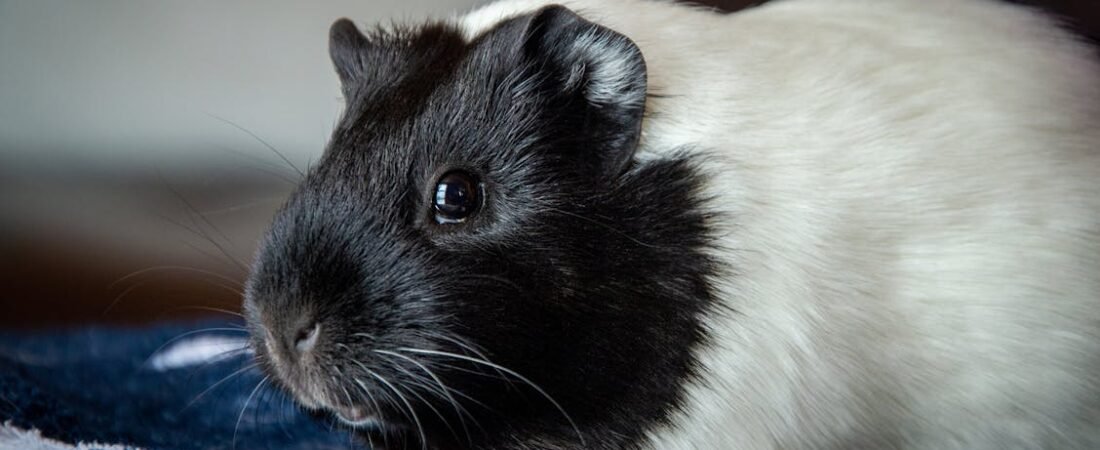
The first time heat became something I genuinely worried about for our guinea pigs, it was a spring afternoon that turned warm much faster than the forecast suggested. Guinea pigs cannot regulate their body temperature through sweating, which means learning how to keep guinea pigs cool in summer is one of the most important seasonal habits a piggie owner can develop. The good news is that most of what works is simple, low-tech, and easy to put in place before the heat arrives.
Our piggies, Biscuit and Clove, live indoors, but their corner of the living room catches afternoon sun through a west-facing window. One warm July afternoon, I came home to find Clove stretched flat on the fleece, ears noticeably pink and warmer than usual, moving more slowly than she normally would. She had not reached true heat distress, but it was close enough to reshape how we think about their space every summer. That afternoon changed everything about how we prepare for warm weather.
Why Guinea Pigs Struggle with Summer Heat
Guinea pigs originally come from the high, cool grasslands of the Andes, where temperatures are mild and humidity is low. Their bodies were built for those conditions, and they have no sweat glands to release excess heat the way humans do. Temperatures above 26 degrees Celsius (about 78 degrees Fahrenheit) can put them at serious risk of heat stroke, and it can happen faster than most owners expect.
The danger increases when heat combines with humidity or poor airflow. A room that feels comfortable to a person can be genuinely dangerous for a guinea pig if the air is still and warm. Outdoor enclosures in direct sun can become critically hot within minutes, even on days that feel mild to us.
Signs of Guinea Pig Overheating to Watch For
Knowing the warning signs of guinea pig overheating gives you a chance to act before a situation becomes an emergency. A guinea pig in heat distress may breathe rapidly and shallowly, lie stretched flat on the cage floor, or be unusually still and unresponsive to familiar sounds like the refrigerator opening or your voice. Drooling, flushed and hot ears, or trembling are more serious signs that require immediate attention.
If you notice any of these signs, move your guinea pig to a cool, quiet area right away. Gently dampen their fur with cool (not ice-cold) water and contact a vet as quickly as possible. Never immerse them in ice water, as the sudden temperature shock can cause more harm than the heat itself. Our guide to what guinea pig sounds really mean can help you recognize when something more subtle is off, too.
How to Keep Guinea Pigs Cool in Summer
Shade and Airflow Come First
For guinea pigs who live indoors, the most reliable protection is keeping their enclosure out of direct sunlight throughout the day. West-facing windows are particularly deceptive because rooms that feel comfortable in the morning can become dangerously warm by mid-afternoon. Closing curtains or blinds on the sunny side of the house before the heat builds makes a meaningful difference without any other changes.
A fan placed nearby can help circulate air, but should never blow directly onto the cage. The goal is gentle airflow through the room rather than a focused current aimed at the pigs. Guinea pigs cannot easily escape a fixed direct breeze, and the constant air movement can become stressful rather than cooling.
Cooling Surfaces Let Them Self-Regulate
Giving guinea pigs access to a cool surface they can choose to lie on is one of the most effective passive cooling strategies around. Aluminum and marble plates stay naturally cool and work without electricity or preparation. We added a small aluminum plate to Biscuit and Clove’s enclosure last summer, and they took to it immediately, pressing their bellies against it during the warmest parts of the afternoon.
The Comtim Self-Cooling Mat is sized right for guinea pigs and made of aluminum that absorbs and disperses body heat efficiently. If you have two guinea pigs sharing a space, the FIPASEN Cooling Mat (2-Pack) gives each pig their own cool surface without any competition over the prime real estate. Neither mat requires any setup beyond placing it in the enclosure.
Fresh Water and Hydrating Vegetables
Guinea pigs drink noticeably more water in warm weather, and their bottle should be checked and refilled more frequently than usual during summer months. A leak-proof bottle makes this easier because you can top it up quickly without worrying about bedding getting damp. The Choco Nose No-Drip Water Bottle has a patented nozzle that prevents the slow dripping that soaks fleece and makes keeping water clean during warm weather genuinely simple.
Hydrating vegetables can supplement water intake on hot days. Cucumber, romaine lettuce, and fresh bell pepper all have high water content and tend to be received enthusiastically. These should be offered alongside (not instead of) the usual hay and fresh water routine, keeping quantities moderate to avoid digestive upset.
The Frozen Water Bottle Trick
One of the most effective and completely free strategies for summer cooling is the frozen water bottle method. Fill one or two plastic bottles with water, freeze them overnight, wrap them in a thin cloth or sock to prevent direct ice contact, and place them in or near the cage. Guinea pigs will naturally gravitate toward them and lean against them when they want to cool down.
Rotating bottles every few hours during very hot days keeps a consistently cool option available. It is a small routine that makes a noticeable difference, especially on days when the temperature climbs faster than expected. Many owners keep two sets in rotation so there is always a frozen one ready.
Outdoor Guinea Pigs and Summer Safety
Guinea pigs who spend time in outdoor enclosures need extra attention during warmer months. Even in shade, outdoor runs can heat up quickly when airflow is limited or the ground itself has absorbed heat through the day. If you have been building a routine of outdoor time with your piggies, our guide to spring outdoor time for guinea pigs includes some useful guidance on reading the conditions before you set them up outside.
The easiest approach is to decide in advance what temperature threshold means outdoor time gets skipped entirely. Checking the forecast in the morning rather than making the call mid-day removes the guesswork and protects your pigs from conditions that can shift quickly. Being willing to bring them in without hesitation on warm days is one of the more important habits a piggie owner can develop.
Monitoring your guinea pig’s overall condition through the warmer months matters, too. Subtle changes in behavior, appetite, or energy are easier to catch when you have a consistent habit of observation. Our post on weekly guinea pig weigh-ins goes into why small, regular check-ins can catch problems early, and that applies to summer heat stress as much as any other health concern.
Common Questions
How hot is too hot for guinea pigs?
Guinea pigs are at real risk of heat stroke when temperatures reach 26 degrees Celsius (about 78 degrees Fahrenheit) or above. High humidity makes the risk more acute even at slightly lower temperatures. The safest approach is to keep their environment consistently below that threshold during summer, using shade, airflow, and cooling surfaces as your first line of defense.
Can I use a fan to cool down my guinea pig?
Yes, with some care around placement. A fan that circulates air through the room is genuinely helpful, but it should not blow directly onto the guinea pigs. Constant direct airflow can be stressful for them, and they may not be able to easily move away from it in a cage. Position the fan to create gentle room airflow rather than aiming it straight at the enclosure.
What should I do if I think my guinea pig has heat stroke?
Move your guinea pig to a cool room immediately and gently dampen their fur with cool (not ice-cold) water to help bring their temperature down gradually. Offer fresh water nearby but do not force them to drink. Contact a vet as quickly as possible. Heat stroke in guinea pigs can deteriorate rapidly, and this is one of those situations where professional help is genuinely necessary, not optional.
Guinea pigs are remarkably good at telling you when something is off, once you know their particular language. A pig that is comfortable and cool moves through the day with that easy, unhurried curiosity that makes them such good companions. Ears relaxed, nose gently twitching, occasionally popcorning for no visible reason. Setting up their space to stay cool this summer is a quiet act of care, easy to put off until it matters, and genuinely worth getting right while there is still time to prepare. Biscuit and Clove have rewarded our efforts with a lot of very content belly-flopping on their cooling mat, which feels like all the endorsement anyone should need.
Leave a Reply
You must be logged in to post a comment.