
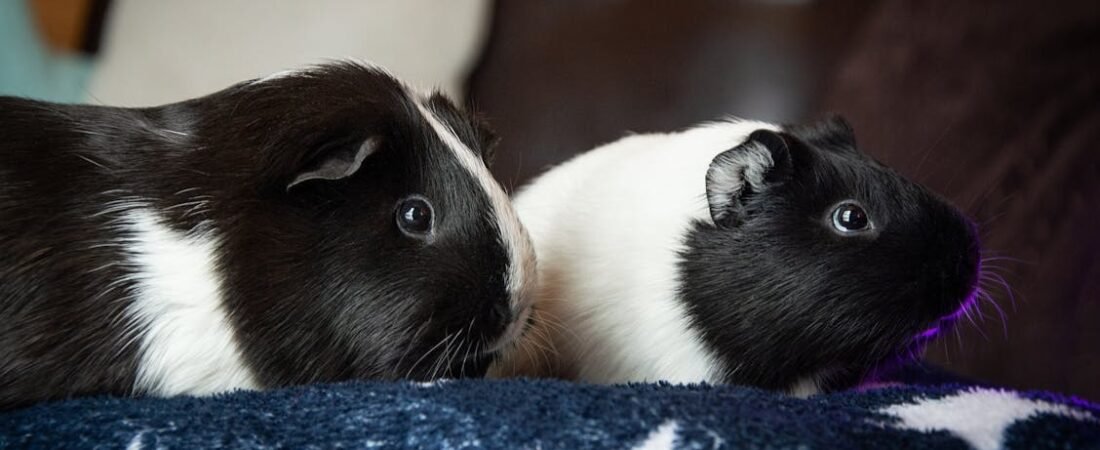
Knowing how to introduce guinea pigs to each other properly can make the difference between a lasting friendship and a stressful living arrangement. Guinea pigs are social animals who genuinely thrive with a companion, but their first meeting needs to happen on their terms, in their own time, and in a space that belongs to neither of them. With a little patience and the right setup, most introductions go beautifully.
When our little herd went from one to two, the anticipation in the days before the meeting was almost unbearable. Would they like each other? What if there was fighting? What if the new pig was scared? It turns out these are the exact questions every guinea pig owner asks, and the answers are gentler than most people expect.
The Quarantine Period That Protects Everyone
Before any introduction happens, a new guinea pig needs at least two to three weeks in a separate space. This is not just a precaution, it is genuinely important. A pig who looks perfectly healthy at the rescue or pet store can be carrying a respiratory illness that has not yet shown symptoms, and bringing that illness into contact with a resident pig before it surfaces can lead to both pigs becoming unwell.
Use this quarantine period as bonding time with the newcomer, just on their own terms. Let them get comfortable with your voice, your hands, and the rhythms of your home before asking them to navigate a social situation on top of all that newness. A pig who feels settled is a much calmer introduction partner than one who is still learning where they are.
This is also a good moment to think about whether both pigs have their own hideys. Going into an introduction with multiple places to retreat is one of the most important things you can do to set the mood. We love the Piggies Choice Space House for this, and having two of them in the introduction space means neither pig feels the pressure of competing for the same safe corner.
Choosing the Right Introduction Space
The single most important rule of guinea pig introductions is neutral territory. Never introduce a new pig directly into the resident pig’s existing cage. To the resident pig, that cage is home, and home is worth defending. A space that belongs to neither pig removes that pressure entirely.
A bathtub lined with a clean fleece blanket works wonderfully. So does a playpen set up in a room neither pig has spent time in. The space should be large enough that both pigs can move around comfortably and take a break from each other without feeling cornered. Add a pile of hay in the middle (shared food is a surprisingly effective social lubricant for guinea pigs), two hideys, and fresh water, and you have a solid setup.
Keep the introduction session to around thirty to sixty minutes the first time, and watch closely throughout. Introductions rarely require human intervention, but it helps to be present and unhurried. If things are going well after a few sessions, you can begin transitioning them to a shared, cleaned cage with all-new bedding so neither pig feels territorial about the scent.
What Normal Behaviour Looks Like (and What to Watch For)
The rumblestrut is probably the behaviour that worries new owners the most. It looks like a slow, swaying walk accompanied by a low rumbling sound, and it is actually just a pig announcing their status. Teeth chattering while nose-to-nose is also normal in early meetings. Chasing, mounting, and some mild nipping are all part of how guinea pigs negotiate a hierarchy, and it rarely escalates further.
The behaviours that call for a calm separation are different in quality: sustained biting that draws blood, a pig being pinned and unable to escape, or either pig showing visible distress like freezing and hunching repeatedly. If any of these happen, gently separate the pigs using a towel rather than your bare hands (teeth can land anywhere in a moment of stress), and give both pigs a day or two before trying again.
Understanding the sounds your pigs make during this whole process makes it much less nerve-wracking. Our post on what guinea pig sounds really mean is a useful companion to this one, especially for decoding the difference between an annoyed chutter and a contented purr.
Setting Up for Life Together
Once the introduction goes well and both pigs are eating, resting, and moving freely in each other’s presence, it is time to think about their shared home. Two guinea pigs need at least eight square feet of living space, and more is always better. A larger enclosure means more room to establish comfortable distances during the adjustment period, which can take several weeks even after a successful introduction.
The MidWest Guinea Habitat is a solid starting point at eight square feet, and it connects to a second unit if the herd ever grows. The PVC-lined canvas bottom is easy to clean, which matters a great deal when you have two pigs contributing to daily tidying. When setting up the new shared space, start with clean bedding that carries neither pig’s existing scent, give them each their own food bowl and hidey, and let them settle in together from the beginning.
Keep an eye on weight during the first few weeks of cohabitation. A pig who is being subtly excluded from food can lose weight quietly before the signs become obvious. Our guide on building trust with a new guinea pig has more on reading the early signals that tell you how your pig is really feeling, which applies just as much to a bonded pair as it does to a solo pig finding their footing.
When Young Pigs Challenge the Balance
If one of the pigs in your pair is young (under six months), there is a possibility that the hierarchy will need to be renegotiated as they mature. Young guinea pigs sometimes go through an adolescent period between three and five months where they test the established order, which can look like the introduction process starting again. Most pairs work through this on their own with some grumbling and posturing.
If the tension becomes sustained or the older pig seems genuinely stressed, separating them temporarily within the same room (using a divider with bars rather than a solid wall, so they can still smell and see each other) often helps the younger pig calm down without severing the bond entirely. Give it a few days and try reintroducing on neutral ground again. Most pairs come back together more settled after a short reset.
Common Questions
How long does it take for guinea pigs to bond with each other?
Most guinea pigs establish a working relationship within one to three introduction sessions, though it can take several weeks of shared living before they truly relax around each other. Some pairs are best friends within an afternoon. Others take a more measured approach. Both timelines are completely normal, and there is no benefit to rushing the process.
Can I introduce a guinea pig to a bonded pair?
Introducing a single pig to an existing bonded pair is possible but does require more patience. The two bonded pigs have an established dynamic, and the newcomer needs to find their place without disrupting it. Use the same neutral territory approach, give the introduction more time than a standard two-pig meeting, and make sure the space is large enough that everyone has room to breathe. Trios can work beautifully once the balance is found.
What if my guinea pigs just ignore each other during the introduction?
Mutual indifference is actually a good sign. Pigs who are simply getting on with eating hay and exploring their space are doing exactly what they should be. Not every introduction involves dramatic social negotiations. If both pigs are calm, eating, and comfortable enough to look away from each other, the introduction is going well.
There is something quietly wonderful about watching two guinea pigs who were strangers a few weeks ago choose to nap in the same corner of their cage. The first meeting will probably feel nerve-wracking, and that is okay. Take your time, follow their cues, and trust the process. These small animals are better at figuring each other out than we sometimes give them credit for.
Leave a Reply
You must be logged in to post a comment.