
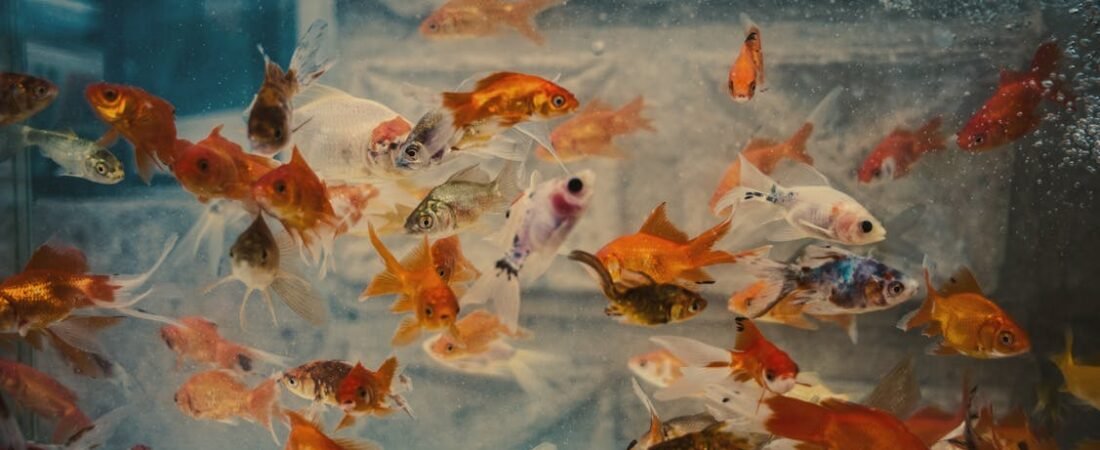
As indoor temperatures climb through the warmer months, one of the quieter challenges in fish keeping is what’s happening inside the tank. Heat causes dissolved oxygen levels to drop, puts stress on the beneficial bacteria that keep the water safe, and can push fish into a state of low-grade distress that isn’t always obvious until things have already gone wrong. Knowing how to keep a fish tank cool in summer is one of those pieces of knowledge that earns its place every single year.
The first summer we kept fish, the tank looked fine for weeks. The fish were swimming, the filter was humming. It wasn’t until one of them started spending more time near the surface than usual, and another seemed quieter than normal, that something clicked and the thermometer got checked. The reading was higher than expected, and in hindsight the signs had been there for a few days already.
Why Summer Heat Is Hard on a Fish Tank
Warm water holds less dissolved oxygen than cool water, and fish breathe that dissolved oxygen constantly through their gills. When temperatures climb, the margin for healthy oxygen levels shrinks. At the same time, the beneficial bacteria colonies living in the filter and substrate become stressed by temperature extremes. These are the same bacteria responsible for converting fish waste into safer compounds, and if they falter, ammonia and nitrite levels can rise quickly. For more on how these colonies work and why they matter, our post on the nitrogen cycle walks through the whole picture.
Most tropical freshwater fish do best somewhere between 74 and 80 degrees Fahrenheit. When a tank climbs consistently above 82 or 83, the margin for comfort disappears and stress accumulates. Coldwater species like goldfish and white cloud mountain minnows are even more sensitive, preferring temperatures well below what most tropical tanks run at.
Recognizing the Signs That a Tank Is Running Too Warm
Fish communicate through behavior, and summer stress tends to show up in a few consistent ways. Crowding near the surface is one of the clearest signals, since the water there exchanges gas with the air and contains slightly more oxygen. Faster gill movement than usual, reduced appetite, and unusual stillness during hours when the fish are normally active are all worth paying attention to.
If multiple fish in the same tank show changes at the same time, temperature is often the first thing worth checking. A single fish behaving differently can point to illness, but a whole tank behaving differently usually points to something in the water.
Start with Where the Tank Sits and How Long the Lights Run
The simplest place to begin is placement. Tanks that sit in direct afternoon sunlight, near south-facing windows, or close to heat vents can gain several degrees from the environment alone. Moving a tank out of direct light or using a blackout curtain during the hottest part of the day costs nothing and can make a noticeable difference.
Reducing lighting hours also helps in a straightforward way. Aquarium lights produce heat, and running them for shorter periods during a heatwave removes one consistent source of warmth. Most tanks do well with 8 hours of light daily, and fish adapt to shorter photoperiods without issue. Cutting back to 7 or 6 hours during a sustained stretch of heat is a reasonable short-term adjustment.
How to Keep Track of Fish Tank Temperature in Summer
Reliable temperature monitoring is the foundation of managing a warm-weather tank. Stick-on strip thermometers are common and inexpensive, but they measure the glass surface rather than the water itself, and they can read several degrees low when the ambient temperature rises. That gap matters when decisions are being made based on the number.
A digital aquarium thermometer with an internal probe gives a more accurate picture and refreshes its reading frequently enough to catch a rise as it happens. The PAIZOO Digital Aquarium Thermometer sticks to the outside of the glass but reads directly from a probe, displaying the actual water temperature on an LED screen that is easy to check at a glance. It is not a complicated device, which is part of what makes it useful. Having accurate numbers removes the guesswork from an already uncertain situation.
Adding a Cooling Fan When Adjustment Is Not Enough
When good placement and reduced lighting are not sufficient to keep temperatures in range, a small aquarium cooling fan makes a meaningful difference. These fans clip onto the tank rim and blow across the water surface, accelerating evaporation and drawing heat away from the water in the process. Depending on conditions, they can reduce water temperature by 3 to 7 degrees Fahrenheit, which is often exactly the margin that matters.
The AQUASMITH Aquarium Chiller Fan is currently among the top-rated options in this category, with automatic start and stop based on a target temperature, three adjustable speed modes, and a temperature range down to 59 degrees Fahrenheit. It runs quietly enough for a living room and clamps onto the tank rim without needing separate hardware. One honest note about evaporative cooling fans in general: because they work by moving water into the air as vapor, they do increase water loss over time. Checking the water level every few days and topping up with dechlorinated water is part of the routine when a fan is running consistently.
Reduce Feeding During Hot Weather
Fish are cold-blooded, and their metabolism shifts with the water temperature around them. In warmer water, they naturally process food more slowly and often eat less. Continuing to feed at the same rate as cooler months tends to result in more uneaten food sitting in the tank, where it decays and puts extra pressure on the filter at a time when the filter is already working harder.
A small reduction in the amount fed, keeping the same number of feedings but offering a bit less each time, is a gentle adjustment that supports the whole system. For more on reading the signals that feeding has gone too far, our guide to overfeeding covers the signs in detail.
Using Water Changes to Cool the Tank Gradually
Cool, dechlorinated water added during a partial water change can bring tank temperature down safely. The key is gradual change. A sudden drop of more than two or three degrees can shock fish almost as much as a spike upward can, so aiming for replacement water that is just slightly cooler than the tank rather than noticeably cold is the approach that causes the least disruption.
During sustained heat waves, testing water parameters a little more frequently makes sense. Warmer water accelerates the breakdown of organic waste, which means ammonia and nitrite levels can shift more quickly than usual. Reading the results of a water test kit is straightforward once you know what each number means and what range to aim for.
Common Questions
How warm is too warm for a typical community fish tank?
For most tropical freshwater community fish, anything above 82 to 83 degrees Fahrenheit consistently starts to cause stress. At 86 degrees or above, the risk of serious harm increases significantly for many species. The comfortable range for a typical community setup is 74 to 80 degrees Fahrenheit, with the lower end of that range being preferable during warm months when oxygen levels are already reduced.
Can ice be added to a fish tank to bring the temperature down?
Adding ice directly to tank water is not recommended because the sudden localized temperature drop can shock fish and disrupt the beneficial bacteria in the filter. A gentler approach is to float a sealed bag or bottle of ice water and allow it to cool the tank slowly over an hour or two. This gives the fish time to adjust without experiencing an abrupt shift in their environment.
Does a hot tank affect the filter?
Yes. The beneficial bacteria living in the filter are sensitive to temperature extremes, and sustained high temperatures can weaken their ability to process waste efficiently. A brief heat spell usually does not eliminate colonies entirely, but it can reduce their effectiveness temporarily. Keeping up with partial water changes during hot stretches helps compensate for any reduction in biological filtration while the tank returns to a more comfortable temperature range.
Summer asks for a little more attentiveness from fish keepers, but it rarely asks for complicated fixes. A reliable thermometer, some thoughtful adjustments to light and placement, and the occasional cool water change are usually enough to carry the tank through even a long stretch of heat. The same calm, observant presence that makes fish keeping peaceful in the cooler months applies here too. Watch the temperature, notice the behavior, and make small adjustments early. The tank will find its way through.
Leave a Reply
You must be logged in to post a comment.