
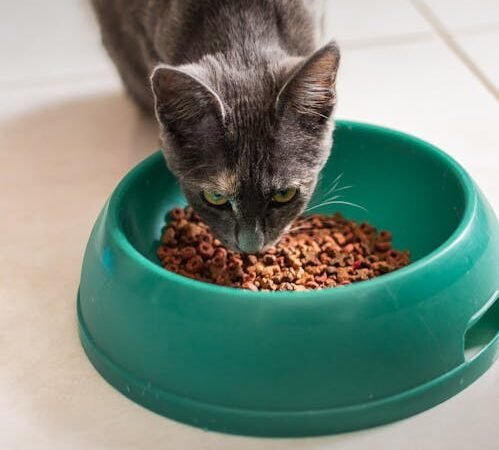
There are so many thoughtful ways to nourish our feline companions, and if you have spent any time reading about cat nutrition, you have probably noticed that the wet food versus dry food conversation never quite settles. Some people swear by wet food only. Others keep a bowl of kibble out at all times. And then there is a middle path that more and more cat owners are discovering, one that combines the best of both worlds.
In our home, we stumbled into combo feeding almost by accident. One of our cats was not drinking enough water, and after a bit of research and a conversation with our vet, we started adding wet food alongside the dry kibble that had always been the routine. The difference was noticeable within days, not just in hydration, but in how much more excitement mealtime seemed to carry.
Why Combo Feeding Works
Cats are notoriously poor drinkers. In the wild, they would get most of their moisture from prey, so domestic cats often do not feel a strong urge to visit the water bowl. This is where wet food becomes a quiet hero. Adding even a small portion of wet food to your cat’s daily routine can significantly boost their overall water intake, which supports kidney health and urinary tract wellness. If your cat is a reluctant drinker, our post on gentle ways to help your cat drink more pairs beautifully with the hydration benefits of combo feeding.
Dry food, on the other hand, has its own strengths. It tends to be more calorie-dense, which makes portion management simpler for some households. The crunchy texture can also help with dental health, though it is worth noting that kibble alone is not a substitute for proper dental care. Our guide to cat dental care at home covers what else you can do to keep those tiny teeth healthy. When you combine both types, you get the hydration benefits of wet food alongside the convenience and texture variety of dry.
Getting the Proportions Right
There is no single perfect ratio, because every cat is different. A common starting point that many veterinarians suggest is offering roughly one-third of your cat’s daily calories from wet food and two-thirds from dry. For a typical adult cat, this might look like a small can of wet food at one meal and measured dry kibble at the other.
The most important thing is to account for total calories across both types. It can be tempting to simply add wet food on top of the usual dry food portions, but this can lead to gradual weight gain that sneaks up quietly. When we first started, we used a simple kitchen scale to make sure we were adjusting portions properly. It felt a little fussy at first, but it quickly became second nature.
Timing and Routine
Cats love routine, and establishing a consistent feeding schedule helps them feel secure. One approach that has worked well for many cat owners is offering wet food in the morning (when the aroma and moisture feel like a lovely start to the day) and dry food in the evening. Others reverse this or offer a midday wet food meal with dry food bookending the morning and night.
Whatever schedule you choose, try to keep it consistent. Cats are creatures of habit, and they appreciate knowing when to expect their meals. If you are leaving dry food out for grazing during the day, keep in mind that free-feeding can make it harder to track how much your cat is actually eating, especially in multi-cat households.
Keeping Mealtime Engaging
One lovely side benefit of combo feeding is the opportunity to make mealtimes a little more enriching. A slow feeder bowl can turn dry food into a gentle puzzle that engages your cat’s natural curiosity. The Kopmath Raised Slow Feeder Cat Bowl is one we have enjoyed in our home. The elevated design is easier on the neck, and the subtle maze pattern encourages slower, more mindful eating without causing frustration.
Speaking of hydration, if your cat still seems hesitant to drink water on their own, a water fountain can make a real difference. Cats are naturally drawn to moving water, and a quiet fountain like the DOOOB Ceramic Cat Water Fountain provides a gentle, continuous flow that many cats find irresistible. The ceramic material is easy to clean and does not hold bacteria the way plastic sometimes can.
Watching for What Works
Every cat has their own preferences, and what works beautifully for one may not suit another. Some cats adore the texture of pate-style wet food, while others prefer shredded or chunks in gravy. Some take to combo feeding immediately, while others need a gradual transition over a week or two, slowly mixing in the new food type alongside the familiar one.
Pay attention to your cat’s energy levels, coat condition, and litter box habits as you make any changes. These are often the best indicators of whether a new feeding approach is agreeing with them. And of course, if you have any concerns, a conversation with your vet is always the best next step.
A Note on Multi-Cat Homes
If you share your home with more than one cat, combo feeding can be a little trickier to navigate. Each cat may have different caloric needs, different food preferences, and different eating speeds. Feeding cats in separate spaces or using timed feeders can help ensure everyone gets the right amount. It takes a bit more planning, but it is worth the effort to know each companion is getting exactly what they need.
At the end of the day, feeding our cats well is one of the most consistent ways we show them love. It does not need to be complicated or stressful. Combo feeding is simply about finding a rhythm that supports your cat’s health and brings a little extra joy to mealtime. Whether your cat is a dainty nibbler or an enthusiastic eater, the right balance is out there. Take it one meal at a time, watch how your companion responds, and trust that you are doing something truly good for them.
Frequently Asked Questions
Can I mix wet and dry food in the same bowl?
You can, though many cat owners prefer to serve them separately. Wet food left mixed with dry can become soggy and less appealing over time. If your cat eats quickly, mixing is fine, but for grazers, offering them at different meals tends to work better.
How do I know if my cat is getting the right amount of calories?
Check the calorie information on both your wet and dry food labels, then calculate the total based on the portions you serve. Your veterinarian can help you determine the ideal daily calorie target for your cat based on their weight, age, and activity level. A simple kitchen scale makes portion management much easier.
Will switching to combo feeding upset my cat’s stomach?
Any dietary change has the potential to cause temporary digestive adjustment. The key is introducing the new food gradually over a week or so, mixing a small amount of the new food with the familiar one and slowly increasing the ratio. Most cats transition smoothly with this gentle approach.
Leave a Reply
You must be logged in to post a comment.