
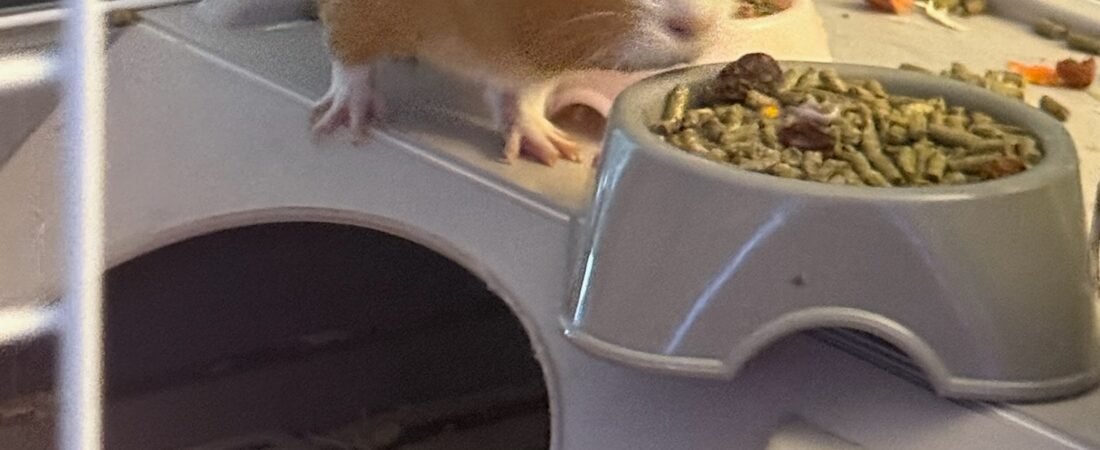
If you have spent any time in guinea pig communities lately, you have probably noticed a conversation that keeps coming up: fleece liners. The question of whether to switch from traditional bedding to reusable fleece has become one of the most discussed topics among guinea pig owners, and for good reason. It touches on comfort, cleanliness, cost, and the kind of thoughtful care that makes the guinea pig community so special.
The idea behind fleece liners is beautifully simple. Instead of loose bedding like wood shavings or paper, you place a specially designed fleece liner in the cage that wicks moisture away from the surface while an absorbent layer underneath captures liquid. The result is a soft, dry surface for your guinea pigs to walk on, and a cage that often stays fresher between cleanings.
I was skeptical at first, if I am being honest. Our guinea pigs had always lived on paper bedding, and the thought of switching to something that needed laundering felt like adding more work to an already busy routine. But after seeing so many positive experiences shared online, curiosity won out. The transition was gentler than expected, and watching our piggies settle onto that soft fleece for the first time was a moment of quiet satisfaction.
How Fleece Liners Actually Work
The magic of fleece liners is in the layers. The top fleece layer does not absorb moisture. Instead, it lets liquid pass straight through to an absorbent middle layer (often made from materials like bamboo, cotton, or specialized wicking fabric). A waterproof bottom layer protects the cage floor. The surface stays dry, which is important for guinea pig foot health, as prolonged contact with damp bedding can lead to bumblefoot and other issues.
One thing worth knowing is that new fleece needs to be washed several times before it wicks properly. Brand-new fleece has a coating that repels water, which is the opposite of what you want. Three or four washes with no fabric softener will break down that coating and allow the fleece to do its job. This is the step most people skip when they try fleece liners for the first time and wonder why puddles are sitting on the surface.
Choosing the Right Liner
There are two main paths: buying pre-made liners or making your own. Pre-made liners like the GuineaDad Original Liner come with all the layers already sewn together and sized to fit standard C&C cage dimensions. They also include a lovely built-in burrowing pocket that guinea pigs absolutely adore. The convenience factor is hard to beat, especially if sewing is not your thing.
For those who enjoy crafting, DIY liners are a wonderful option. U-Haul furniture pads make an excellent absorbent layer (they are inexpensive and highly effective), and fleece fabric is readily available at most craft stores. The guinea pig forums have detailed tutorials with measurements for every common cage size. The satisfaction of making something with your own hands for your little companions is its own kind of reward.
The Daily Routine
One thing that surprised me about fleece liners is that they actually require a different kind of maintenance than traditional bedding, not necessarily more or less, just different. If you are also navigating dietary preferences, our post on what to do when your guinea pig turns up their nose at hay covers another common adjustment. With loose bedding, you scoop and replace. With fleece, you sweep or vacuum droppings off the surface daily (a small handheld vacuum works wonderfully for this), then launder the liners every few days depending on your cage size and number of piggies.
Having at least two sets of liners makes the rotation seamless. One set goes in the wash while the other goes in the cage. Some guinea pig owners also place smaller fleece pads or pee pads in the corners where their piggies tend to do most of their business. This extends the life of the full liner and makes spot cleaning even simpler.
What About the Smell?
This is the question everyone asks, and the answer is genuinely encouraging. When maintained properly, fleece liners often smell less than traditional bedding. The key is that moisture gets pulled away from the surface quickly, which reduces the ammonia buildup that causes most cage odors. Regular laundering (every three to four days for a pair of guinea pigs in a standard cage) keeps everything fresh.
For households that want an extra layer of protection, the GuineaDad Premium Liner uses an AirCell technology that dries faster than standard liners, which can help in warmer environments or for cages with more piggies. The faster the liner dries between spot cleanings, the fresher it stays.
Is It Right for Every Guinea Pig?
Most guinea pigs take to fleece beautifully. They seem to enjoy the soft surface, and many owners report their piggies popcorning more frequently on fleece than they did on loose bedding. If you are looking for more ways to encourage that joyful energy, our guide to the joy of floor time is a lovely next step. That said, some guinea pigs are dedicated chewers, and fleece liners can become a tempting target. If your piggies are pulling threads or ingesting fabric, it may not be the right fit, and that is perfectly okay. Every household finds its own rhythm.
The guinea pig community is one of the most generous and patient groups of pet owners you will ever encounter. The amount of detailed guidance shared freely on forums about liner construction, washing techniques, and troubleshooting is remarkable. If you are considering making the switch, you will not be doing it alone.
In the end, whether you choose fleece or stick with traditional bedding, what matters most is the intention behind the choice. The fact that you are thinking carefully about what goes under your guinea pigs’ tiny feet says everything about the kind of companion you are. Take your time, try what feels right, and enjoy the soft sounds of happy piggies settling into their home. After all, the best part of caring for guinea pigs is not the bedding. It is the gentle, patient presence of the person who chose to love them.
Frequently Asked Questions
How often should I wash fleece cage liners?
Most guinea pig owners wash their fleece liners every three to four days, though some with larger herds find every other day works better. Daily spot cleaning of soiled areas helps extend the time between full washes and keeps the cage fresher for your piggies.
Do fleece liners smell worse than traditional bedding?
When properly maintained with an absorbent layer underneath and regular spot cleaning, fleece liners can actually smell less than some traditional beddings. The key is ensuring the fleece is properly wicked (water passes through rather than pooling on top) and that you are washing on a consistent schedule.
Can I make my own fleece liners instead of buying them?
Absolutely. Many guinea pig owners make their own using fleece fabric layered over an absorbent material like U-haul furniture pads or towels. The fleece needs to be washed several times before first use to break down the waterproof coating so moisture can wick through properly.
Leave a Reply
You must be logged in to post a comment.