
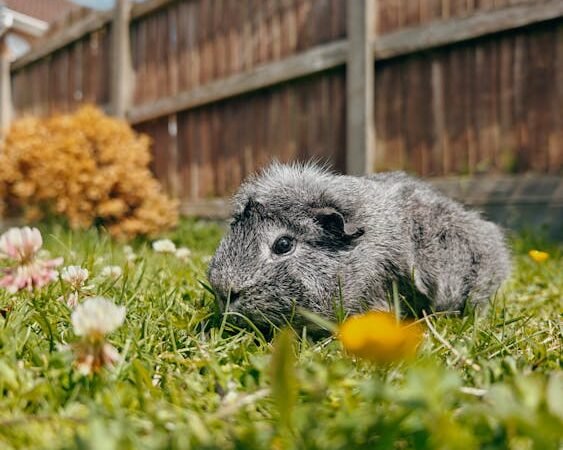
There is a particular kind of joy that comes with watching a guinea pig discover fresh grass for the first time in the season. The tentative sniffing, the first careful nibble, and then the unmistakable wheek of excitement when they realize what is happening. Spring outdoor time is one of the sweetest experiences we can share with our little companions, and with a little preparation, it can be just as safe as it is delightful.
If you have been thinking about taking your guinea pigs outside now that the weather is warming up, this guide is here to walk alongside you through the process, one gentle step at a time.
Our First Spring Outside
I remember the first warm day we decided to bring our guinea pigs out to the garden. We were so excited, probably more excited than they were, honestly. We set up a little area on the grass, placed them down, and waited for the magic to happen. What actually happened was a lot of freezing in place and nervous popcorning before they eventually settled down and started exploring.
What I learned that day is that outdoor time is wonderful, but it needs to happen on their terms. Guinea pigs are prey animals, and the big open world can feel overwhelming at first. Patience and gradual introduction make all the difference between a stressful outing and a genuinely enriching one. Fresh grass is also a lovely natural source of nutrients, and our post on vitamin C and your guinea pig covers why those fresh greens matter so much.
When the Weather Is Just Right
Guinea pigs are most comfortable in mild temperatures, generally between 60 and 73 degrees Fahrenheit. Spring is often perfect for this, but it is important to pick the right time of day. The warmest part of the afternoon, usually between 2 and 4 PM, tends to be the sweet spot when the ground has had time to warm up but the heat is not too intense.
Avoid taking them out on days that are too windy, too damp, or when the temperature could climb above 77 degrees. Guinea pigs are surprisingly sensitive to heat and can develop heatstroke faster than we might expect. If you are comfortable in a light sweater outside, it is likely a good day for your guinea pigs too.
Preparing the Space
A secure outdoor enclosure is essential. Guinea pigs are small and can be surprisingly quick when motivated, and they are also vulnerable to predators like birds, cats, and dogs. A good outdoor playpen with a covered top provides protection from above and sides while still letting them enjoy the fresh air and grass.
We have been using the SONGMICS Guinea Pig Playpen for our outdoor time sessions. It is spacious enough for our two guinea pigs to roam and graze, and the grid spacing is small enough that there is no worry about them squeezing through or getting stuck. The included floor mat is helpful for indoor use, though for outdoor grass time we remove it so they can nibble directly. We always make sure to place it on a flat, shaded area with a hideout inside so they can retreat whenever they feel like it.
Before setting down the playpen, take a moment to inspect the grass. Make sure the area has not been treated with pesticides, herbicides, or fertilizers. Avoid areas near roads where exhaust fumes could settle, and check for any plants that might be harmful if nibbled. Foxgloves, buttercups, and daffodils are among the common garden plants that can be dangerous for guinea pigs.
Introducing Grass Gradually
This is something that catches many guinea pig owners off guard, especially in spring. If your guinea pigs have been eating mostly hay and pellets through the winter, their digestive systems may not be ready for a sudden abundance of fresh grass. While you are thinking about seasonal care, spring is also a good time to stay on top of nail trimming, since outdoor surfaces can help with natural wear but are not a substitute for regular trims. Introducing too much fresh grass too quickly can lead to bloating or digestive upset, which can be quite serious for guinea pigs.
The safest approach is to start small. Offer a few handfuls of fresh grass inside their regular enclosure for a few days before their first outdoor session. This gives their gut bacteria time to adjust. Once they have been nibbling grass regularly without any tummy troubles, they will be better prepared for longer grazing sessions outside.
Staying Close and Staying Present
Even with a secure enclosure, outdoor time should always be supervised. Predators can be surprisingly bold, and weather can shift quickly in spring. A sudden rain shower or a drop in temperature can make the experience uncomfortable or even unsafe.
Keep outdoor sessions relatively short at first, around 20 to 30 minutes, and gradually increase the time as your guinea pigs grow more confident. Watch for signs that they have had enough: retreating to their hideout, sitting very still, or showing any signs of shivering. When they are done, they will let you know.
After coming back inside, it is a good idea to give your guinea pigs a gentle once-over. Check their fur and skin for any small insects or ticks they may have picked up, and make sure their paws are clean and dry. A quick health check after outdoor time becomes second nature and helps catch anything early.
The Reward of a Sunny Afternoon
There is something deeply rewarding about watching guinea pigs genuinely enjoy themselves outside. The way they stretch out on warm grass, munching contentedly with their eyes half-closed, or the sudden burst of a popcorn jump when they discover a particularly delicious patch. These are the moments that remind us why we care so much about getting the details right.
Spring outdoor time does not have to be complicated or stressful. A secure space, mild weather, gradual introduction to grass, and a watchful, patient presence are all it takes. Pull up a chair beside them, enjoy the sunshine yourself, and simply be there while your little companions explore their own small piece of the world. After all, some of the best moments of companionship are the quiet ones spent together in the fresh spring air.
Frequently Asked Questions
What temperature is safe for guinea pigs to be outside?
Guinea pigs are most comfortable in temperatures between 60 and 75 degrees Fahrenheit. Avoid taking them outside if it is below 60 or above 80 degrees, and always provide shaded areas. They are sensitive to heat and can overheat quickly, so a cool, partly shaded spot is ideal for outdoor time.
Can guinea pigs eat grass from the yard?
Yes, as long as the grass has not been treated with pesticides, herbicides, or fertilizers. Introduce grass gradually to avoid digestive upset, starting with just a few minutes of grazing and slowly increasing over several days. Avoid areas where other animals frequently visit.
How long can guinea pigs stay outside?
Start with short sessions of 15 to 20 minutes and gradually work up to longer outings as your piggies become more comfortable. Always supervise outdoor time, provide access to water and shade, and bring them inside if they show signs of stress like excessive hiding or vocalizing.
Leave a Reply
You must be logged in to post a comment.