
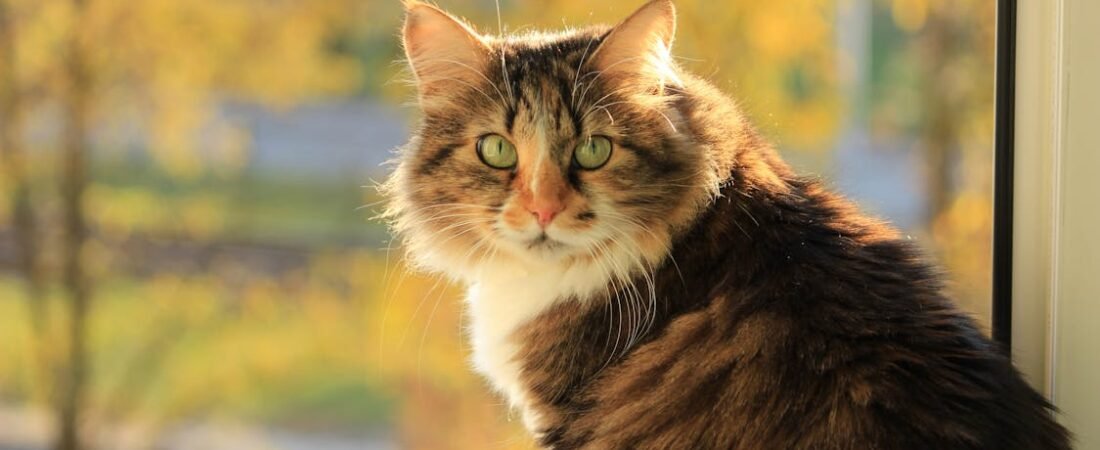
If you have noticed more fur on your couch, your clothes, and somehow even in your morning coffee this month, you are not imagining things. Spring shedding season is one of the most common experiences cat owners share, and it can feel a little overwhelming when your home starts looking like it has been gently snowed on with cat hair. The good news is that seasonal shedding is completely normal, and with a few gentle adjustments to your routine, you can help your cat through the transition while keeping your home (mostly) fur-free.
I still remember the first spring we spent with our cat. We had adopted her in the fall, and her coat was this gorgeous, thick, plush thing that made her look twice her actual size. Then March arrived, and suddenly there were little tufts of fur drifting across the hardwood like tiny tumbleweeds. I genuinely thought something was wrong until our vet reassured us that she was simply swapping out her winter wardrobe for something a bit lighter.
Why Cats Shed More in Spring
Cats naturally grow a thicker undercoat during the shorter days of fall and winter to stay warm. As daylight hours increase in spring, their bodies respond by releasing that extra layer. This process is triggered primarily by changes in light exposure, not temperature, which is why even indoor cats who live in climate-controlled homes still experience seasonal shedding to some degree.
The heaviest shedding typically happens between March and May, though every cat is a little different. Long-haired breeds and double-coated cats tend to have more dramatic coat transitions, while short-haired cats may shed more subtly. Either way, it is a sign that your cat’s body is doing exactly what it is supposed to do.
Gentle Grooming Makes All the Difference
The single most helpful thing you can do during shedding season is to brush your cat regularly. A short daily brushing session, even just five minutes, is far more effective than one long session once a week. It removes loose fur before it ends up on your furniture, reduces the amount of hair your cat swallows during self-grooming, and can even become a bonding moment if your cat enjoys the attention.
For short-haired cats, a soft-bristle brush or a gentle slicker brush works beautifully. Something like the Hertzko Self Cleaning Slicker Brush is a lovely option because the retractable bristles make cleanup so simple, and the fine wire tips are gentle enough for sensitive skin. For cats who are a bit brush-shy, a grooming glove like the Pet Grooming Glove can feel more like a petting session than a grooming one, which makes the whole experience much calmer for everyone involved.
If your cat is not used to being brushed, start slowly. Let them sniff the brush, reward them with a treat, and keep the first few sessions very short. Some cats take to it immediately, while others need a little patience. There is no rush.
Supporting a Healthy Coat from the Inside
What your cat eats plays a surprisingly big role in how much they shed. A diet rich in high-quality protein and essential fatty acids helps maintain a strong, healthy coat and can reduce excessive shedding over time. If your cat’s food already has a solid nutritional profile, you may not need to change anything at all.
That said, some cats benefit from an omega-3 supplement during shedding season. We started adding a small amount of fish oil to our cat’s meals a couple of springs ago, and the difference in her coat texture was noticeable within a few weeks. The Omegease Fish Oil has been a staple in our home because it is pure, unflavored, and easy to mix into wet food. Of course, every cat is different, and it is always worth a quick chat with your vet before adding any supplement to their routine.
Speaking of nutrition, if you are curious about different approaches to feeding, we explored some thoughtful options in our guide to combo feeding your cat.
Keeping Your Home Comfortable
Even with regular brushing and good nutrition, spring shedding means more fur in your living space. A few small adjustments can help keep things manageable without turning it into a full-time job.
Washing your cat’s favorite blankets and bedding weekly during peak shedding season makes a big difference. Those are the spots where fur accumulates the fastest, and a quick wash keeps everything fresh. A lint roller near the door is a small thing that saves a lot of frustration on the way out. And if you have not tried vacuuming your fabric furniture with an upholstery attachment, it is genuinely one of those little game-changers during shedding season.
Dry indoor air can also contribute to extra shedding by drying out your cat’s skin. If your home tends to be dry in the spring, a small humidifier in the room where your cat spends the most time can help keep their skin comfortable and their coat healthier.
When Shedding Might Be Something More
Normal spring shedding is even and gradual. The fur comes out uniformly, and your cat’s skin underneath should look healthy, with no redness, flakiness, or bare patches. If you notice bald spots, excessive scratching, irritated skin, or if your cat seems to be grooming themselves far more than usual, it is worth a visit to your vet to rule out allergies, skin conditions, or other health concerns.
We wrote about the signs to watch for in our piece on understanding overgrooming in cats, which goes deeper into when grooming crosses from normal into something that might need a closer look.
Common Questions
How long does spring shedding season last for cats?
Most cats go through their heaviest shedding over a period of about 4 to 6 weeks, typically peaking in March through May. Indoor cats may shed a bit more evenly throughout the year since they are less affected by natural light changes, but you will still likely notice an increase in the spring.
Is it normal for my cat to shed so much fur in clumps?
Small tufts of loose undercoat are normal during a seasonal coat change, especially in long-haired or double-coated breeds. However, if you are seeing large clumps coming out or patches of thinning fur, it is a good idea to have your vet take a look to make sure everything is healthy underneath.
Can I bathe my cat to help with spring shedding?
A gentle bath with cat-safe shampoo can help loosen dead fur, though most cats are not exactly thrilled about bath time. If your cat tolerates water, a lukewarm rinse once during peak shedding season can be helpful. For cats who would rather skip the bath entirely, regular brushing achieves much of the same result with far less drama.
Spring shedding season is one of those little rhythms of life with a cat that, once you understand it, feels less like a problem and more like a natural transition. Your cat is simply lightening their load for the warmer days ahead. With a gentle brush in one hand, a lint roller in the other, and maybe a blanket draped over your favorite chair, you and your companion will glide through it together. After all, a little extra fur is just a small reminder of the warm, living presence curled up beside you.
Leave a Reply
You must be logged in to post a comment.