
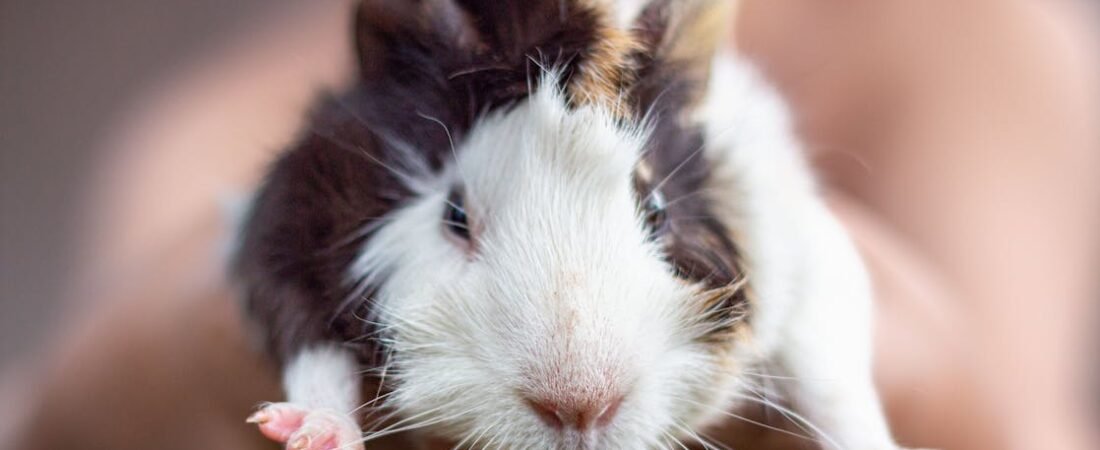
Guinea pigs are full of surprises. They wheek when they hear the refrigerator open, they popcorn when something delights them, and they have the most expressive little faces in the small pet world. But there is one thing about their biology that catches many new owners off guard: guinea pigs cannot produce their own vitamin C. Unlike most other animals, they lack the enzyme needed to synthesize it internally, which means every single milligram has to come from their diet. It is a small detail with very large consequences.
I learned this the hard way, not through a crisis, thankfully, but through a vet visit where the topic came up almost casually. Our guinea pigs were healthy at the time, but the vet explained how quickly a deficiency can develop, sometimes in as little as two to three weeks of an insufficient diet. That conversation changed the way I thought about their meals entirely.
What Happens Without Enough Vitamin C
A guinea pig who is not getting enough vitamin C may start showing subtle signs that are easy to overlook at first. A coat that looks a little rougher than usual. A slight reluctance to move around the cage with their usual enthusiasm. Over time, more visible symptoms can develop, including swollen or tender joints, weight loss, and a general sense that something is off. In more severe cases, the gums may become swollen or bleed, which is a sign of scurvy, the same condition that once affected sailors on long voyages.
The tricky part is that these early signs often look like other things. A guinea pig who seems a bit quieter than usual could be under the weather for any number of reasons. That is why prevention is so much more effective than trying to diagnose and treat a deficiency after the fact.
How Much Do They Need?
Most healthy adult guinea pigs need between 20 and 25 milligrams of vitamin C per day. Young, growing guinea pigs and pregnant sows need more, closer to 30 to 40 milligrams daily. It is not a lot in absolute terms, but it has to come from somewhere every single day, and that is where thoughtful meal planning comes in.
Fresh Vegetables Are the Foundation
The best and most natural source of vitamin C for guinea pigs is fresh produce. Bell peppers are the standout star here. A single quarter of a red bell pepper can provide more than a full day’s requirement, and most guinea pigs absolutely love them. If your piggy is being selective about fresh foods in general, our post on the hay standoff covers how to work with picky eaters. Green and yellow peppers are good too, though they contain slightly less vitamin C than the red variety.
Other excellent sources include dark leafy greens like kale and parsley, along with small amounts of broccoli, strawberries, and kiwi. Variety is helpful, both for nutritional balance and because guinea pigs can be surprisingly particular about their preferences. Rotating through a few different vegetables keeps things interesting and covers a wider nutritional base.
One important note: it is tempting to add vitamin C drops to your guinea pig’s water bottle, but most experts advise against this. Vitamin C degrades quickly in water, especially when exposed to light, which means your guinea pig may not actually be getting much of the intended dose. It can also change the taste of the water and discourage drinking.
Supplements as a Safety Net
Even with a good vegetable routine, some owners like the reassurance of a dedicated supplement. The Oxbow Natural Science Vitamin C Supplement is a popular option that many guinea pig owners trust. These tablets are made with a timothy hay base, so they feel like a treat rather than medicine, and most guinea pigs accept them eagerly. One tablet per day provides a reliable dose without needing to worry about whether the morning vegetables covered the full requirement.
Similarly, choosing a quality guinea pig pellet that is fortified with stabilized vitamin C adds another layer of coverage. The Oxbow Essentials Adult Guinea Pig Food is a timothy hay-based pellet with added vitamin C that many owners rely on as a dietary staple. Just keep in mind that vitamin C in pellets does degrade over time, so always check the expiration date and store the bag sealed in a cool, dry place.
Building It Into Your Daily Rhythm
The easiest way to ensure your guinea pig is getting enough vitamin C is to make it part of the daily routine rather than something you have to remember separately. In our home, morning cage checks include a small plate of fresh vegetables alongside a vitamin C tablet. It takes less than five minutes and provides peace of mind for the entire day. In spring, fresh outdoor grazing can be another wonderful source of natural vitamins. Our guide to spring outdoor time for guinea pigs covers how to introduce that safely. Over time, the guinea pigs come to expect it, and the excited wheeks when they hear the vegetables being prepared are one of the most joyful sounds in the house.
At its heart, vitamin C is one of those quiet, foundational things that makes a world of difference when done consistently. It is not glamorous, and it rarely makes for dramatic stories. But it is the kind of steady, attentive care that keeps your guinea pig healthy, bright-eyed, and full of the energy that makes them such wonderful companions. A little pepper, a small tablet, a daily rhythm of love. That is all it takes to keep those wheeks coming for years to come.
Frequently Asked Questions
Can guinea pigs get vitamin C from their pellets?
Some pellets are fortified with vitamin C, but the vitamin degrades quickly once the bag is opened and exposed to air and light. Pellets should not be relied upon as a primary source. Fresh vegetables and, if needed, a dedicated supplement are more reliable ways to ensure your guinea pig is getting enough.
What are the signs of vitamin C deficiency in guinea pigs?
Early signs can include a rough coat, reluctance to move, swollen joints, and small wounds that heal slowly. In more advanced cases, you might notice bleeding gums, lethargy, or loss of appetite. If you suspect a deficiency, a vet visit is the best first step to get your piggy back on track.
Can you give a guinea pig too much vitamin C?
Vitamin C is water-soluble, so excess is typically excreted through urine rather than stored in the body. However, very high doses over a long period could potentially cause digestive upset. Sticking to the recommended range of 25 to 50 milligrams per day through a combination of fresh vegetables and a gentle supplement is a safe and effective approach.
Leave a Reply
You must be logged in to post a comment.