
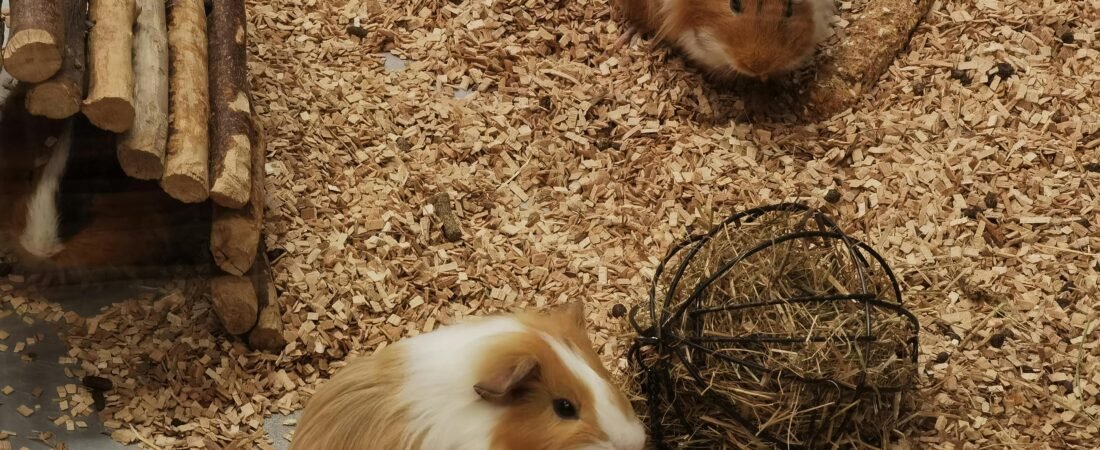
There is a particular kind of quiet that settles over a room when a solo guinea pig is sitting in their cage, content but unmistakably alone. They eat, they explore, they wheek when they hear the refrigerator open. But if you have ever watched a pair of guinea pigs together, you know there is a difference. The little conversations, the side-by-side napping, the way they seem to take comfort in simply having someone nearby who speaks their language.
If you have been thinking about bringing a second guinea pig into your home, it is one of the most loving decisions you can make. Guinea pigs are social animals who genuinely thrive with companionship. But introductions take a little care, a little patience, and a lot of trust in the process. Shared floor time in a neutral space is one of the best ways to start.
Why Companionship Matters So Much
In the wild, guinea pigs live in groups. That instinct for social connection runs deep, and even the most well-loved solo pig can benefit from having a companion of their own kind. Our post on what those adorable guinea pig sounds really mean can help you understand the social chatter that comes with companionship. We can give them floor time, fresh vegetables, and all the chin scratches in the world, but there is something about another guinea pig that fills a space we simply cannot reach ourselves.
This is not to say solo guinea pigs are unhappy. Many thrive with attentive human companionship. But if your life allows for it, adding a second pig often brings out a new side of your first one. More vocalizations, more popcorning, more of the joyful little behaviors that make guinea pigs such wonderful companions.
Finding the Right Match
Before you bring a second pig home, it helps to think about compatibility. Gender is the most important consideration. If you have a female, a second female is usually the smoothest pairing. If you have a male, another male can work beautifully, especially if there is an age difference that helps establish a natural and peaceful dynamic. Pairing a male and female is generally not recommended unless one has been neutered, as guinea pigs can reproduce quickly and unexpectedly.
Personality matters too. A confident, outgoing pig may do well with a quieter, more laid-back companion. Two very strong personalities can sometimes butt heads, though with enough space and patience, most pairs find their rhythm. If you are adopting from a rescue, many organizations offer bonding sessions where you can see how your pig interacts with potential friends before making a commitment.
The Quarantine Period
As exciting as it is to bring a new pig home, the first step is a two-week quarantine. This means keeping the new guinea pig in a separate room (not just a separate cage in the same room) to make sure they are healthy and not carrying anything that could be passed to your existing pig. It can feel like a long wait, but it is a small investment in the safety of both animals.
During this time, you can swap small items between the cages, like a fleece liner or a toilet paper tube, so they begin to learn each other’s scent. This gentle introduction before the face-to-face meeting can help ease some of the initial nervousness when they finally meet.
The First Introduction
When quarantine is complete and both pigs have a clean bill of health, it is time for the big moment. Choose a neutral space that neither pig has claimed as their own. A bathroom floor with a towel spread out, or a playpen in a room they do not usually spend time in, works wonderfully. Neutral territory removes the feeling of one pig invading the other’s home.
Scatter some fresh vegetables and hay around the meeting area to give them something positive to focus on. Then place both pigs in the space and watch. You will likely see some rumbling, some chasing, and maybe some mounting. These are normal dominance behaviors and, while they can look alarming, they are part of how guinea pigs establish their social order. What you are watching for is whether it stays at that level or escalates to actual biting or sustained aggression.
Most introductions involve a lot of posturing that settles down within an hour or so. Some pigs click immediately, while others need a few sessions before they are comfortable. Patience is everything here.
Setting Up Their Shared Home
Space is one of the most important factors in a successful pairing. Two guinea pigs need a minimum of about 7.5 square feet of cage space, though more is always better. A larger space gives each pig room to retreat when they need a moment, which reduces tension and helps the relationship develop naturally.
The MidWest Guinea Habitat Plus is a popular option that provides eight square feet of space and can be expanded by connecting a second one. It comes with a divider panel, which can be helpful in the early days if your pigs need a visual barrier while they adjust. It sets up without tools and has a washable bottom, which makes maintenance straightforward.
Make sure the shared cage has two of everything: two water bottles, two food dishes, two hideouts. This prevents competition and gives each pig a sense of ownership within the shared space. Speaking of essentials, guinea pigs cannot produce their own vitamin C, so a daily supplement like Oxbow Natural Science Vitamin C is important for both pigs, especially during times of stress like a new living arrangement.
Signs That Things Are Going Well
You will know the bond is forming when you start to see the quiet moments. Eating side by side. Sleeping in the same hideout, or at least in neighboring ones. Mutual grooming, where one pig gently nibbles around the other’s ears and face, is one of the sweetest signs of trust between guinea pigs.
The vocalizations change too. The happy wheeks become more frequent, and you might hear soft purring or little conversational sounds that were not there before. These are the sounds of a guinea pig who feels seen by someone who truly understands them.
A Fuller Kind of Joy
Bringing a second guinea pig into your home is not just about giving your first pig a friend. It is about creating a little community, a small world where two gentle creatures can share their days together. There will be an adjustment period, and there may be moments where you wonder if they will ever get along. But more often than not, with patience and the right setup, those two little personalities find a way to fit together.
Take your time, trust their process, and enjoy the beautiful chaos of a home with twice the wheeks, twice the popcorning, and twice the love. After all, some of the best things in life are better shared.
Frequently Asked Questions
What is the best pairing for guinea pigs?
Two females or a neutered male with a female tend to be the most harmonious pairings. Two males can bond well too, especially if introduced young, but they may need a bit more patience during the introduction phase. Personality matters as much as gender, so watching how they interact during initial meetings is important.
How long does it take for two guinea pigs to bond?
Some pairs settle in within a few days, while others may take several weeks to establish a comfortable dynamic. Mild dominance behaviors like rumble strutting and chin raising are normal and usually resolve on their own. As long as there is no aggressive biting or persistent chasing, give them time to work things out.
Do I need a bigger cage for two guinea pigs?
Yes. The minimum recommended space for two guinea pigs is about 10.5 square feet, though more is always better. A spacious cage reduces territorial tension and gives each piggy room to retreat when they need a moment to themselves. Two of everything, including hidey houses, water bottles, and food dishes, also helps prevent resource guarding.
Leave a Reply
You must be logged in to post a comment.