
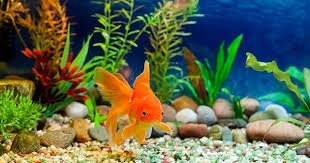
Starting a fish tank is one of those experiences that looks deceptively simple from the outside. You pick a tank, add water, choose some beautiful fish, and enjoy the peaceful view. At least, that is what the display tanks at the pet store seem to promise. The reality, as many of us learn the hard way, involves a bit more patience and a few more trips back to the store than expected.
The wonderful thing about the fishkeeping community is how openly people share their early mistakes. Spend five minutes on any aquarium forum and you will find hundreds of stories that start with “I wish I had known…” and end with genuinely helpful advice. There is no shame in learning as you go. Every thriving tank started somewhere, and most of those starting points were messier than anyone expected.
My own first tank was a ten-gallon setup that I was convinced would be running beautifully within a day. It took closer to six weeks, a lot of water testing, and one very patient partner before things stabilized. But the peace that tank eventually brought to our living room was worth every moment of confusion along the way.
1. The Tank Needs Time Before the Fish Arrive
This is the single most common mistake new fishkeepers make, and it is completely understandable. The excitement of a new tank makes it tempting to bring fish home the same day. But a brand-new aquarium has not yet developed the beneficial bacteria needed to process fish waste. This process, called cycling, takes roughly two to six weeks and is the foundation of a healthy tank.
Without cycling, ammonia and nitrite levels can spike to dangerous levels very quickly. The good news is that cycling a tank is not complicated. It simply requires running the filter, adding a source of ammonia (fish food works), and testing the water regularly until ammonia and nitrite readings drop to zero. An API Freshwater Master Test Kit makes this process much less mysterious, as it lets you see exactly what is happening in the water chemistry day by day.
2. Smaller Tanks Are Actually Harder to Maintain
This one surprised me. Intuitively, it seems like a smaller tank would be easier to care for. Less water, less work, right? But in practice, smaller volumes of water are far less forgiving. Temperature fluctuates more quickly, waste concentrations rise faster, and there is less room for error with water chemistry.
Many experienced fishkeepers recommend starting with at least a 20-gallon tank. The extra volume provides a buffer that makes the learning curve much gentler. It also gives fish more room to swim and explore, which contributes to their overall wellbeing. If space is a concern, even stepping up from a five-gallon to a ten-gallon can make a meaningful difference in stability.
3. Overfeeding Is Easy to Do and Hard to Spot
Fish are remarkably good at looking hungry. Those eager little faces at the surface can make it feel like they need more food, but overfeeding is one of the quickest ways to throw off water quality. Uneaten food sinks to the bottom and decomposes, producing ammonia that the tank’s bacteria may not be ready to handle.
A helpful guideline is to feed only what your fish can consume in about two minutes, once or twice a day. It feels like very little at first, but fish have small stomachs and do quite well on modest portions. Watching them eat can actually become one of the most meditative parts of the hobby, a quiet moment of connection between you and this small ecosystem you are nurturing.
4. Not All Fish Get Along (And That Is Okay)
One of the joys of fishkeeping is choosing which species to bring home. But not every combination works. Some fish need different water temperatures, different pH levels, or simply do not coexist peacefully. A beautiful betta and a group of colorful guppies might seem like a dream setup, but bettas can be territorial, and those flowing guppy tails can look like a challenge to the wrong fish.
Taking a few minutes to research compatibility before purchasing makes all the difference. Most aquarium forums maintain compatibility charts, and pet store staff can often help if you share what you already have in the tank. Building a community of fish that thrive together is one of the most rewarding parts of the hobby. Our guide to stocking your first aquarium goes deeper into choosing compatible companions.
5. Consistency Matters More Than Perfection
Perhaps the most reassuring lesson from my first year of fishkeeping is that you do not need to get everything perfect. What matters most is consistency. Regular water changes (about 25% weekly for most tanks), regular testing, and regular feeding create the stability that fish need to flourish. If the water change process still feels a bit uncertain, our calm guide to aquarium water changes walks through the whole routine step by step. A reliable heater keeps temperature steady, and a good filter handles the rest of the heavy lifting.
The tanks that thrive are not necessarily the ones with the fanciest equipment. They are the ones cared for by people who show up consistently, check in on their fish, and make small adjustments as needed. That kind of quiet, steady attention is its own form of companionship.
There is a particular kind of peace that comes from sitting in front of a healthy aquarium at the end of a long day. The gentle movement of fins, the soft hum of the filter, the way light plays through the water. It is a living, breathing piece of calm in your home. Every mistake along the way was just part of building something worth sitting with. And that, in the end, is what makes the learning so worthwhile.
Frequently Asked Questions
How long should I cycle my tank before adding fish?
Most tanks take two to six weeks to complete the nitrogen cycle. The only reliable way to know when cycling is complete is to test the water. When ammonia and nitrite readings consistently show zero and nitrates are present, your tank is ready for its first residents.
What is the easiest fish for a beginner?
Hardy species like neon tetras, corydoras catfish, and cherry barbs are wonderful choices for a first tank. They are forgiving of minor water quality fluctuations and generally peaceful, which makes them ideal companions as you learn the rhythms of fishkeeping.
How often should I test my aquarium water?
During the first month or two, testing every few days helps you stay ahead of any issues. Once your tank is established and stable, testing weekly or before each water change is usually enough to keep everything on track.
Leave a Reply
You must be logged in to post a comment.