
There is a particular kind of excitement that comes with a new aquarium. The tank is set up, the filter is humming, the light casts a gentle glow across the water, and the only thing missing is life. It is incredibly tempting to head straight to the pet store and fill that beautiful, empty space with as many fish as it can hold. I know, because that is almost exactly what I did with my first tank.
Looking back, the patience I did not have in those early days cost me a few sleepless nights and more than one trip back to the store for water testing supplies. The good news is that stocking a tank thoughtfully is not difficult. It just asks for a little restraint and a willingness to let things unfold at a natural pace.
The Waiting Game (That Is Worth Every Day)
Before a single fish enters your tank, the water itself needs time to become a safe habitat. This process, called cycling, is about establishing colonies of beneficial bacteria that break down waste products. Without these microscopic helpers, ammonia and nitrite can build up to levels that are harmful to fish, even in water that looks perfectly clear.
Cycling typically takes two to six weeks, and the best way to track your progress is with a reliable test kit. The API Freshwater Master Test Kit has been an absolute staple in our home. It tests for ammonia, nitrite, nitrate, and pH, which are the four things you will be watching most closely during those first weeks. The liquid tests are far more accurate than the strip versions, and the kit lasts for hundreds of tests.
I know waiting can feel tedious when you are excited to see fish swimming in your tank. But this patience is one of the greatest gifts you can give your future companions. A cycled tank is a stable tank, and stability is everything in fishkeeping.
Starting Small
Once your tank is cycled, it is time for the moment you have been waiting for. But here is where a gentle approach makes all the difference. Rather than adding a dozen fish at once, start with just a few hardy species. This gives your biological filter time to adjust to the new bioload gradually, rather than being overwhelmed all at once.
Good starter fish for a freshwater community tank include species like neon tetras, corydoras catfish, or cherry barbs. They are hardy, peaceful, and forgiving of the minor fluctuations that are common in a new tank. Add a small group, give the tank a week or two to stabilize, test your water parameters, and then consider your next addition.
The Temptation of “Just One More”
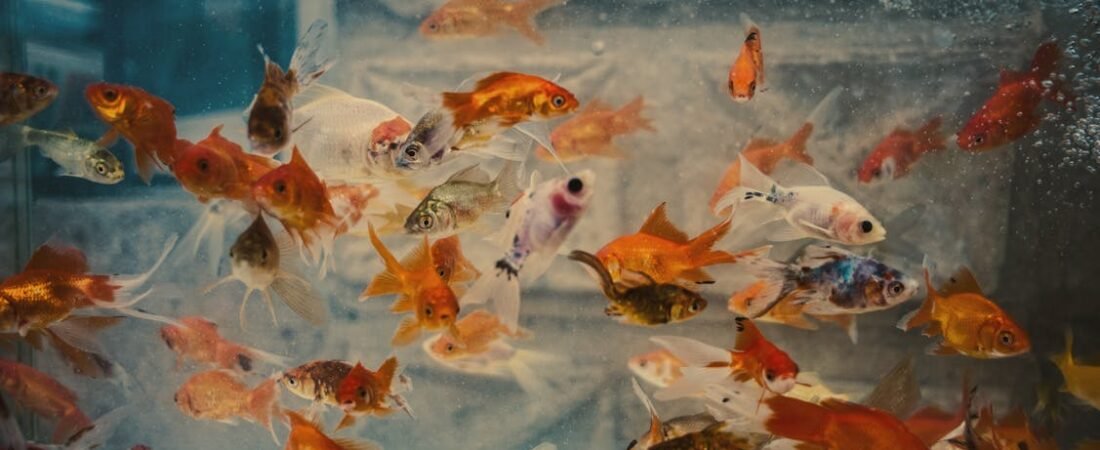
Overstocking is one of the most common challenges in the aquarium hobby, and it is easy to understand why. Fish stores display gorgeous species in tightly packed tanks, and it is natural to want to bring that variety home. But a store display tank has industrial-grade filtration and daily maintenance that home tanks simply cannot replicate.
A useful general guideline is to think about adult size, not the size of the fish at the store. That adorable two-inch pleco might grow to over a foot long. Those tiny goldfish could need far more space than a standard aquarium provides. Researching each species before purchasing, even just a quick search on your phone while standing in the store, can save a lot of heartache later.
Choosing Companions Wisely
Not all fish get along, and compatibility is about more than just aggression. Some fish need different water temperatures, pH levels, or swimming space. A peaceful betta might thrive alongside gentle corydoras but feel stressed by the fast, nippy energy of tiger barbs. Think of it like building a small community where every resident’s needs are considered.
When in doubt, it helps to research the temperament and ideal tank conditions for each species you are considering. Your local fish store staff can often offer guidance, but a bit of independent research goes a long way toward building a harmonious tank.
Water Quality Is Everything
In the early weeks of a newly stocked tank, water quality is your single most important focus. Test regularly, at least every other day for the first month, and be ready to do partial water changes if ammonia or nitrite levels begin to rise. Our calm guide to aquarium water changes can help you build a comfortable routine around this essential habit. Our calm guide to aquarium water changes can help you build a comfortable routine around this essential habit. A good water conditioner is essential for making tap water safe, and Seachem Prime is one that the fishkeeping community overwhelmingly trusts. It neutralizes chlorine, chloramine, and heavy metals, and even temporarily detoxifies ammonia and nitrite in emergencies.
Overfeeding is another quiet culprit in new tanks. Fish need far less food than most people expect. A small pinch once or twice a day, only what they can consume in about two minutes, is typically plenty. Uneaten food sinks, decomposes, and contributes to water quality problems that can sneak up on you if you are not careful.
Enjoying the Unfolding
One of the most beautiful things about fishkeeping is that it rewards patience at every turn. A tank that is stocked slowly, with intention and care, develops a balance that feels almost alive. The plants grow in, the fish settle into their routines, and you start to notice the little things, a corydoras foraging along the substrate, a tetra catching the light just right, the gentle sway of a plant in the current.
There is no need to rush any of it. The most peaceful, thriving aquariums I have ever seen were built by people who resisted the urge to do everything at once. They let each new addition settle, watched their water parameters, and made decisions based on what the tank was telling them rather than what the store was selling them.
So if you are standing at the beginning of your fishkeeping journey with a beautifully empty tank and a head full of plans, take a moment to enjoy exactly where you are. The fish will come. The tank will fill. And if you let it happen at its own gentle pace, what you will build is not just an aquarium, but a living, breathing sanctuary that brings calm to your home for years to come.
Frequently Asked Questions
How many fish can I put in my tank?
The old “one inch of fish per gallon” rule is a rough starting point, but it does not account for fish body shape, waste production, or swimming needs. A better approach is to research each species individually and stock conservatively. Your water test results will tell you if the bioload is manageable.
Can I add all my fish at the same time?
It is best to add fish in small groups over several weeks. This gives your biological filter time to adjust to the increasing waste load gradually. Adding too many fish at once can overwhelm the system and cause dangerous ammonia spikes, even in a cycled tank.
What should I do if a new fish seems stressed after being added?
Some stress after introduction is normal. Dimming the lights, providing hiding spots, and giving the fish a few hours of quiet can help them acclimate. Avoid feeding for the first few hours after adding new fish, and monitor water parameters closely for the next several days.
Leave a Reply
You must be logged in to post a comment.