
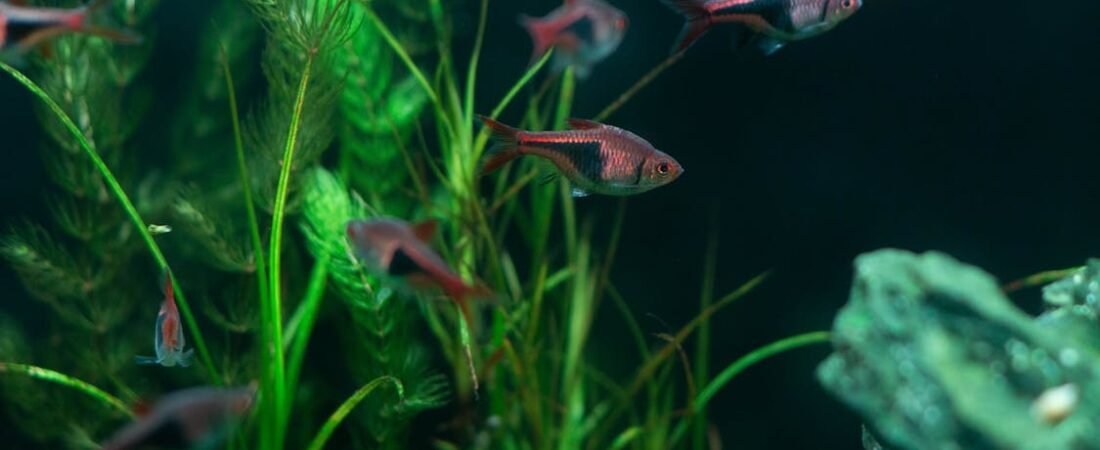
One of the most peaceful things about keeping fish is the quiet rhythm of it all. The soft hum of the filter, the gentle sway of plants, the way the light catches the water just right in the late afternoon. But beneath that calm surface, there is one thing that deserves our steady attention, especially as the seasons shift: temperature.
Spring is a wonderful time of year, but for aquarium keepers, the changing weather can introduce subtle temperature swings that are easy to miss and surprisingly stressful for our fish. The good news is that with a little awareness and the right tools, keeping things stable is completely manageable.
The Swing We Almost Missed
I learned this lesson firsthand during our first spring with a planted tank. The room our aquarium sits in faces a large window, and as the days got warmer, the afternoon sun started heating the room more than we realized. One evening I noticed our betta seemed sluggish, hovering near the bottom instead of his usual curious patrol around the tank. When I checked the thermometer, the water temperature had climbed several degrees above his comfortable range.
It was a small scare, but it taught me something important: the temperature inside our homes fluctuates more than we think, and our fish feel every degree of it. If you keep tropical species like bettas, our guide to setting up a planted betta tank covers how to create the right thermal environment from the start. Since then, monitoring temperature has become one of the most important parts of our daily routine. If you are also noticing other seasonal shifts in your tank, our guide to spring cleaning your aquarium covers the full range of seasonal maintenance.
Why Temperature Stability Matters So Much
Fish are ectothermic, which means their body temperature is regulated by the water around them. Unlike us, they cannot adjust internally when things get too warm or too cool. Even a swing of two or three degrees over a short period can cause stress, weaken their immune systems, and make them more susceptible to illness.
During spring, the combination of warmer days and cooler nights can create a seesaw effect in rooms that are not climate-controlled. If your tank sits near a window, in a sunroom, or in a room where the heating system cycles on and off unpredictably, the water temperature may be rising and falling more than you realize.
The Simple Tool That Brings Peace of Mind
A reliable thermometer is the foundation of temperature management, and honestly, it is one of the most affordable investments in the hobby. A good digital thermometer gives you an accurate, easy-to-read snapshot of where things stand at any moment.
We keep a stick-on digital thermometer on the front glass of each of our tanks. It has become second nature to glance at it while feeding, and that quick check has caught small shifts before they became bigger problems. If you do not already have one, it is a small addition that makes a meaningful difference in how confidently you can care for your aquatic companions.
When a Heater Alone Is Not Enough
Most tropical fish keepers already have a submersible heater, and for much of the year, it does its job quietly and reliably. But standard aquarium heaters have a limitation: they can only heat, not cool. So when spring sunshine pushes your room temperature higher than expected, the heater keeps running as set, but there is nothing to bring the temperature back down if it climbs too high.
This is where a temperature controller can be a real game changer. The Inkbird ITC-308S Aquarium Temperature Controller is a tool we have come to rely on. It plugs in between your heater and the wall outlet, and it monitors the water temperature with a submersible probe. If the temperature drops below your set range, it powers the heater on. If it rises above, it can power a fan or cooling device to bring things back down. It essentially acts as a safety net, preventing the kind of temperature spikes and drops that can stress your fish.
It is not a necessity for every tank, but for anyone who has experienced the worry of coming home to find the water a few degrees off, it offers genuine peace of mind.
Small Adjustments for the Season
Beyond equipment, there are a few simple habits that can help keep things steady through spring. If your tank gets direct sunlight during certain hours, a simple curtain or adjusting the blinds can prevent the afternoon heat from creeping in. Moving the tank away from exterior walls or windows, if possible, reduces exposure to temperature swings from outside.
Keeping the room temperature relatively consistent helps too. If you use air conditioning or heating, try to maintain a steady setting rather than turning it on and off dramatically throughout the day. Your fish will appreciate the predictability, even if they cannot tell you so.
With that in mind, it is also worth checking your heater’s thermostat accuracy as the seasons change. Older heaters with mechanical thermostats can drift over time, and a heater that was perfectly calibrated in winter might run a little warm or cool once the ambient room temperature changes. A quick comparison between your heater’s setting and an independent thermometer reading can catch any drift early.
The Calm in the Consistency
There is something fitting about the fact that the most important thing we can do for our fish is also the simplest: keep things steady. No dramatic interventions, no complicated equipment overhauls, just a quiet, consistent attention to the environment we have created for them.
As the season changes and the light shifts through your windows a little differently each week, take a moment to check in on your tank. Glance at the thermometer, feel the room, notice whether the afternoon sun has found a new angle. That small act of paying attention is, in its own way, one of the most caring things we can do for the little lives swimming peacefully in our care.
Frequently Asked Questions
What temperature is best for a freshwater community tank?
Most tropical freshwater fish do well in the range of 75 to 80 degrees Fahrenheit. The specific ideal temperature depends on the species you keep. Researching the preferred range for each of your fish and finding a comfortable overlap is the best approach.
How quickly can temperature changes harm fish?
A swing of more than two or three degrees within a few hours can cause stress, and larger or more rapid changes can lead to temperature shock. Gradual fluctuations over the course of a day are generally less harmful, but consistency is always the goal.
Do I need a heater if my room stays warm?
Even in warm homes, nighttime temperatures can drop enough to create fluctuations that stress tropical fish. A heater with a built-in thermostat acts as a safety net, maintaining steady temperatures even when room conditions change. It is one of the most reliable investments in fishkeeping.
Leave a Reply
You must be logged in to post a comment.