
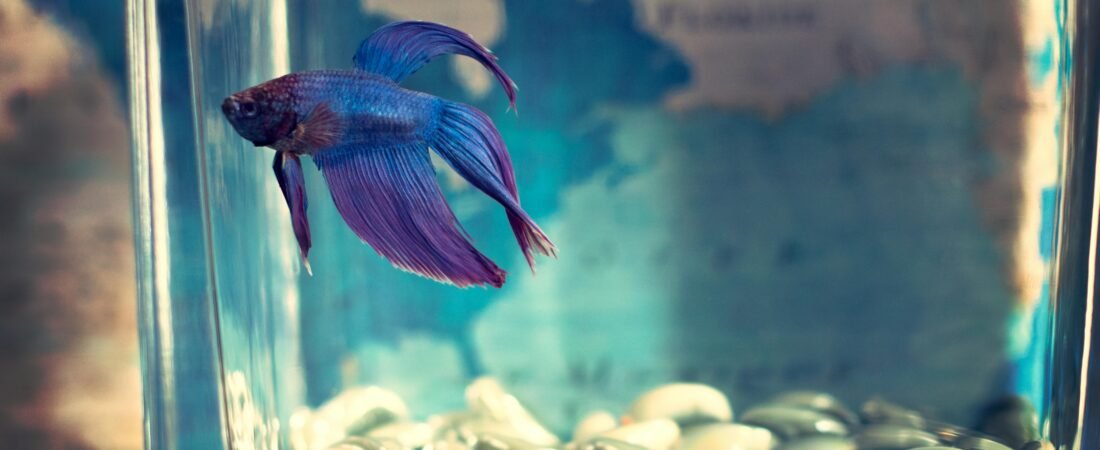
There is a moment when a planted tank comes together that feels almost magical. The water clears, the plants settle in, and a betta drifts through the leaves with the kind of effortless grace that makes you forget you are looking at a five-gallon tank on your desk. It is a small, living world, and building it from scratch is one of the most rewarding things I have done in fishkeeping.
If you have been thinking about setting up a planted tank for a betta but feel a little overwhelmed by all the information out there, this guide is for you. The truth is, a beautiful planted betta tank does not require expensive equipment, expert-level knowledge, or a degree in aquatic biology. It just takes a little patience and a willingness to let things grow at their own pace.
Choosing the Right Tank
The first and most important decision is tank size. While bettas have a reputation for surviving in tiny containers, they truly thrive in something roomier. A five-gallon tank is a wonderful starting point. It gives your betta space to explore, and it gives you enough room to create a simple but beautiful planted landscape without things feeling cramped.
We have had great experiences with the Fluval Spec V, which comes as a complete kit with a built-in filter and LED light. The light is strong enough to support low-light plants, and the filter is gentle enough that it will not create a current that overwhelms your betta. It is a solid all-in-one option for someone who wants a clean, polished setup without piecing everything together separately.
The Warmth They Need
Bettas are tropical fish, and they need water temperatures between 76 and 82 degrees Fahrenheit to stay healthy and comfortable. Even if your home feels warm, water temperatures can drop significantly at night or near windows. A small, reliable heater is not optional. It is essential.
A preset heater like the Fluval P50 takes the guesswork out of temperature management. It maintains a consistent temperature without needing adjustment, which is one less thing to worry about as you focus on the fun parts of building your tank. Pairing it with a small thermometer lets you keep an eye on things and catch any fluctuations early.
Plants That Forgive Beginners
This is where the magic really starts. The best plants for a first-time planted tank are the ones that are almost impossible to fail with. Here are a few that have been wonderful for us.
Java Fern is a beautiful, flowing plant that attaches to driftwood or rocks rather than being planted in the substrate. This is an important detail, because burying its rhizome (the thick horizontal root) will actually cause it to rot. Just tie it gently to a piece of wood with fishing line or a little super glue, and it will anchor itself over time. It grows slowly, tolerates low light beautifully, and adds a lush, natural look to any tank.
Anubias is another forgiving choice that thrives in low light. Like Java Fern, it attaches to hardscape rather than going into the substrate. It grows at its own quiet pace, which means less trimming and less fuss. The broad, dark green leaves also provide lovely resting spots for bettas, who enjoy lounging near the surface on a wide leaf.
If you want something floating, Dwarf Water Lettuce or Salvinia are easy options. Getting the light right is key to keeping these plants happy, and our guide to aquarium lighting covers how to find that balance. Dwarf Water Lettuce or Salvinia are easy options that bettas particularly enjoy. Floating plants provide shade and cover, which helps bettas feel secure. They also absorb excess nutrients from the water, which can help keep algae in check. Just be mindful that too many floaters can block light from reaching plants below, so a little occasional thinning goes a long way.
Substrate and the Finishing Touches
For a low-tech planted tank, you do not need a specialized substrate if your plants are mostly attached to hardscape. A thin layer of fine gravel or sand works beautifully for aesthetics and gives the tank a natural feel. If you want to add rooted plants later, an aqua soil like Controsoil or Fluval Stratum can encourage healthy growth without the need for additional fertilizers.
Driftwood and smooth stones add structure and visual interest. They also give your betta places to explore and hide, which contributes to their overall sense of security. When selecting decorations, avoid anything with sharp edges that could snag delicate betta fins. If it catches on a pair of pantyhose, it will catch on a fin.
Patience Is the Secret Ingredient
Once your tank is set up and your plants are in place, the hardest part begins: waiting. A new tank needs time to establish its biological filtration, a process called cycling. In a heavily planted setup, plants absorb some ammonia naturally, which helps, but giving the tank at least a couple of weeks before adding your betta is a kindness that pays off in a healthier, more stable environment.
During this time, you might notice some plants losing leaves or looking a little tired. This is called “melt,” and it is completely normal. Many aquatic plants are grown above water and need time to transition to their submerged life. New growth will follow, and it will be adapted to your specific tank conditions. You might also see some algae during this stage, which is completely normal. Our post on making peace with algae in a new aquarium can help put your mind at ease. Trust the process.
Bringing It All Together
There is something deeply peaceful about sitting in front of a planted betta tank at the end of a long day. The gentle movement of the plants, the quiet hum of the filter, the way the light catches the water and the colors of your betta. It is a small meditation, a reminder that beautiful things can grow in small spaces when given the right conditions. So take your time setting it up, enjoy the process, and know that the first time your betta weaves through the plants you chose for them, it will all feel worth it.
Frequently Asked Questions
Can a betta live in a planted tank without a filter?
While heavily planted tanks can help with water quality, a gentle filter is still recommended for most setups. It helps maintain consistent water conditions and supports the beneficial bacteria that process waste. Look for a filter with adjustable flow, as bettas prefer calm water.
Do I need to add fertilizer to a planted betta tank?
For low-light plants like java fern and anubias, fertilizer is usually not necessary, especially in a tank with fish. The fish waste provides many of the nutrients these plants need. If you notice slow growth or yellowing leaves, a gentle liquid fertilizer dosed once a week can help without complicating things.
How often should I trim the plants in my betta tank?
Low-light plants grow slowly, so trimming is usually only needed every few weeks to a couple of months. Remove any dead or yellowing leaves as you spot them, and thin out floating plants if they start blocking too much light from reaching plants below. Keeping things tidy is more about occasional attention than regular pruning.
Leave a Reply
You must be logged in to post a comment.