
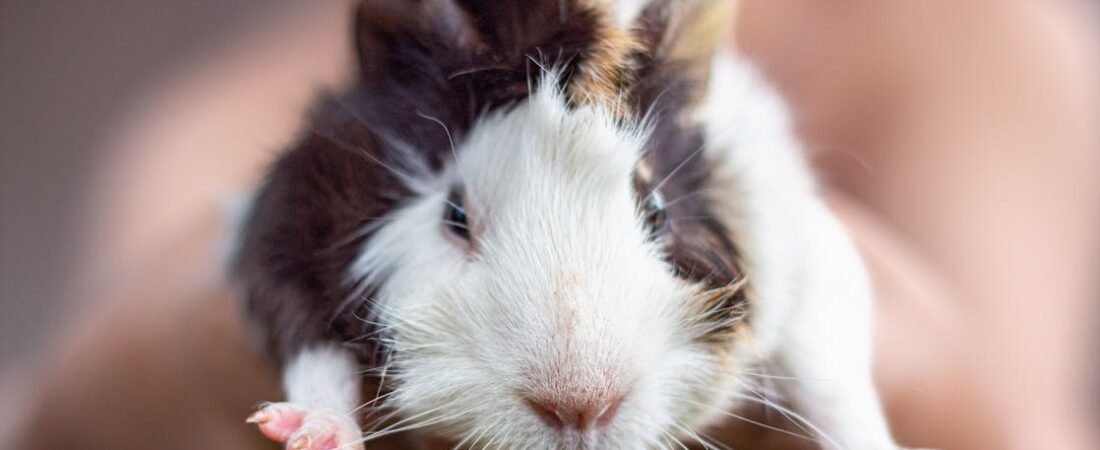
A guinea pig not eating hay is one of those quiet concerns that deserves real attention. Hay should make up around 80 percent of a guinea pig’s daily diet, supplying the fiber that keeps digestion moving and the abrasive roughage that continuously grinds down their ever-growing teeth. When a piggy turns her nose up at the hay rack and walks away, it’s worth slowing down and figuring out what’s really going on before the situation becomes a health issue.
This guide covers the most common reasons guinea pigs stop eating hay, along with practical, low-stress ways to encourage them back to their most essential food.
Why Hay Is So Much More Than Just Filler
Before getting into causes and solutions, it helps to understand just how critical hay is in a guinea pig’s life. Unlike many small animals, guinea pigs have continuously erupting teeth that never stop growing throughout their lives. Chewing fibrous hay is the primary way those teeth get naturally worn down, and without enough of it, dental problems can develop quickly and quietly.
Hay also provides the long-strand fiber that keeps a guinea pig’s digestive system moving in the right direction. A gut that slows down, even briefly, can become a serious medical situation for these small animals. Offering unlimited hay at all times isn’t optional for guinea pigs; it is the foundation of their wellbeing.
Beyond nutrition, hay provides a form of gentle enrichment. A pile of fresh hay to burrow into, scatter through, and nibble at throughout the day keeps guinea pigs occupied in the most natural way possible.
Common Reasons a Guinea Pig Stops Eating Hay
The Hay Has Gone Stale
Guinea pigs are discerning creatures with sensitive noses, and they notice when hay has been sitting out for too long. Hay that has lost its fresh, slightly sweet smell will often be ignored entirely, even by pigs who are normally enthusiastic eaters. Hay should be refreshed at least once a day and stored somewhere cool and dry, away from direct sunlight and moisture.
If the hay in the bag feels dusty or has a musty smell when the bag is opened, that is a sign the whole batch may have turned. Starting fresh with a new supply often makes an immediate difference.
The Variety Has Gone Stale Too
Even a guinea pig who loves timothy hay can lose interest in it if that is the only thing ever offered. Rotating between hay types, such as orchard grass or meadow hay, gives piggies something new to investigate and can reignite interest in a way that feels almost instant. Orchard grass tends to be softer and slightly sweeter-smelling than timothy, which appeals to pigs who prefer a more delicate texture.
Offering a blend of Oxbow Western Timothy Hay alongside something like Small Pet Select Orchard Grass gives piggies choices, and having choices tends to make them more engaged with their food in general. Mixing two varieties together in the hay rack and watching which one disappears first is a lovely little way to learn what an individual pig prefers.
The Hay Is Being Presented in a Way That Feels Uncomfortable
How hay is offered matters more than many owners realize. Some guinea pigs dislike reaching up into an elevated hay rack, particularly if they are older, have joint discomfort, or are simply not used to that style of feeder. Others feel vulnerable eating from a feeder that is mounted in a high-traffic area of the cage where their companions tend to bump into them.
Trying a hanging hay feeder positioned lower on the cage wall can make a real difference for pigs who seem hesitant. Alternatively, scattering a generous pile of hay directly on the cage floor removes the feeder from the equation entirely and often encourages more natural foraging behavior. A messier cage is a small trade-off for a piggy who is eating well.
A New Home or a Recent Change in Routine
A guinea pig who has recently moved homes, been introduced to a new companion, or experienced a significant change in their environment may eat less hay simply because the stress of adjusting takes priority over appetite. This is similar to what can happen with new rescues across many species: settling in comes before eating. For more on how introduction stress can affect guinea pigs, our guide to introducing guinea pigs covers the signs to watch for and how to support them through the transition.
In these cases, patience is genuinely the most useful tool available. Keeping hay accessible and plentiful, maintaining a calm and consistent environment, and resisting the urge to intervene too frequently all help a stressed piggy come back to their normal eating patterns on their own timeline.
An Underlying Health Issue
Dental problems are one of the most common medical reasons guinea pigs stop eating hay. When teeth become overgrown, misaligned, or develop sharp edges from insufficient chewing, eating fibrous food becomes painful rather than natural. A guinea pig who is losing weight, drooling, dropping food while trying to eat, or choosing soft vegetables over hay may be signaling that something is wrong in the mouth.
Gut slowdown, sometimes called GI stasis, is another concern. When a guinea pig stops eating hay and also becomes less active, produces fewer or smaller droppings, or seems generally subdued, those symptoms together warrant a vet visit sooner rather than later. A guinea pig’s digestive system needs continuous movement, and a gut that stalls can deteriorate quickly. This is also worth keeping in mind when thinking about overall nutrition, since dental health connects closely to the broader picture of how well a piggy is absorbing what they eat, including the vitamin C they depend on from fresh foods. Our post on recognizing vitamin C deficiency covers some of the overlapping signs to watch for.
Practical Ways to Encourage More Hay Eating
A few small adjustments can make a meaningful difference without creating a stressful feeding routine around something that should feel natural.
Hiding small pieces of fresh herbs or favorite vegetables deep inside a pile of hay on the cage floor encourages a guinea pig to forage through the hay to find the reward, and most piggies end up eating hay in the process without even seeming to notice. Scatter feeding like this taps into something genuine in their behavior, the way they would naturally forage in the wild through grasses and low vegetation.
Placing a small hideout over a pile of loose hay on the floor is another approach worth trying. A guinea pig who feels protected while eating is far more likely to settle in and graze for extended periods. Some pigs simply feel too exposed at an open feeder and do much better when hay is available in a space that feels safe and enclosed.
Offering hay at consistent times, ideally first thing in the morning when piggies tend to be most active, can also help build back a positive association with hay if interest has faded. The routine becomes the cue, and the cue becomes comforting.
Common Questions
How much hay should a guinea pig eat each day?
Guinea pigs should have unlimited access to hay at all times, not a measured portion. A good benchmark is that a guinea pig should consume roughly their own body size in hay each day, though some individuals eat considerably more. The key sign that enough hay is being eaten is healthy, consistent droppings and teeth that are staying at a reasonable length between vet checks.
Can a guinea pig survive on pellets and vegetables alone without hay?
Not safely over the long term. Pellets and fresh vegetables provide essential nutrients but they do not give the teeth the sustained, abrasive chewing that only fibrous hay provides. Without adequate hay, dental overgrowth becomes a serious risk within weeks to months depending on the individual animal. Hay is irreplaceable in a guinea pig’s diet, and finding a way to get them eating it again is worth the patience it takes.
What if my guinea pig has tried multiple hay types and still won’t eat?
If variety changes, freshness improvements, and feeder adjustments haven’t made a difference within a few days, a vet visit is the right next step. A guinea pig who is consistently avoiding hay despite having good quality options available may be experiencing dental pain or another underlying issue that only a hands-on examination can identify. Exotic animal vets who are comfortable with guinea pigs are the best choice for this kind of assessment.
There is something deeply reassuring about watching a guinea pig settle into a generous pile of fresh hay and simply graze. It looks peaceful because it is peaceful, and it means everything is working the way it should. When that behavior disappears for a while, it’s worth taking seriously and gently troubleshooting before bigger problems develop. But in most cases, a little detective work, a switch to fresher hay, and a change in how it’s offered is all it takes to get things back on track.
Leave a Reply
You must be logged in to post a comment.