
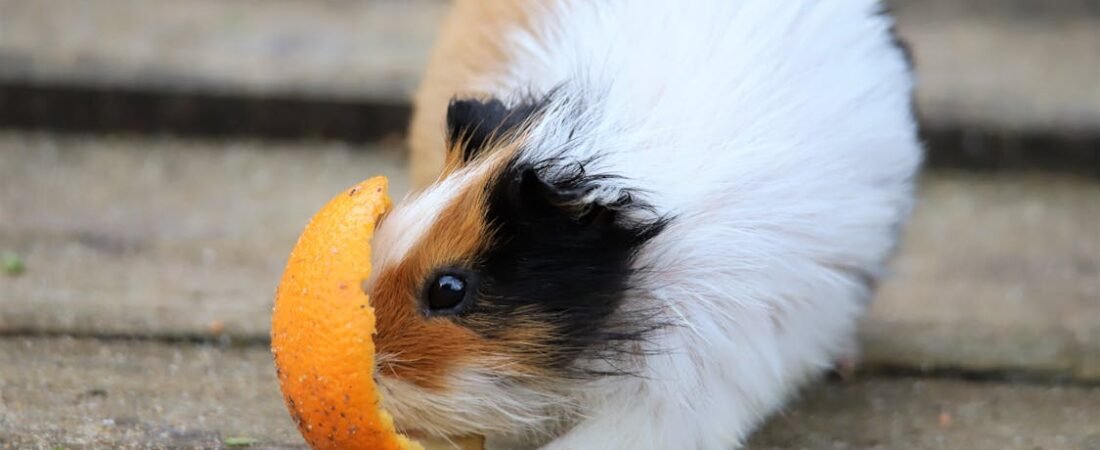
Guinea pig vitamin C deficiency signs can be easy to miss until a pig is already in real trouble. Unlike dogs or cats, guinea pigs share something with humans that most pet owners find surprising: they cannot produce their own vitamin C. Every milligram they need has to come from what lands in their bowl each day, which means the responsibility sits squarely with us. Getting this one thing right is one of the most important things a guinea pig owner can do.
There is a particular kind of worry that comes with noticing a guinea pig is just slightly off. Not dramatically ill, not loudly unhappy, just quieter than usual. That was how it started with one of my own pigs, a gentle tricolor named Biscuit, who began moving a little stiffly around his enclosure one autumn. He was still eating, still wheeking at the sound of the fridge opening, but something about the way he tucked himself into the corner felt different. When the vet identified early vitamin C deficiency, I felt the sting of having missed something preventable. Biscuit recovered fully, but that experience changed how I thought about his daily routine.
Why Vitamin C Is Non-Negotiable for Guinea Pigs
Most mammals synthesize vitamin C internally as a matter of course. Guinea pigs, along with humans and a small number of other species, lack the enzyme needed to make it. This is not a defect so much as a quirk of evolution, but it does mean that the consequences of a gap in dietary vitamin C arrive quickly. Signs of deficiency can appear within two to three weeks of insufficient intake, which is a much faster timeline than most owners expect.
Vitamin C plays a role in building and maintaining connective tissue throughout the body. Without it, gums weaken, joints swell, wounds heal slowly, and immunity suffers. A guinea pig dealing with a shortage is not simply tired or a little pale. The body begins to quietly break down in ways that are uncomfortable and, if left unaddressed, serious. The good news is that prevention is genuinely straightforward once you understand what the daily requirement looks like.
Early Signs of Guinea Pig Vitamin C Deficiency to Watch For
The earliest guinea pig vitamin C deficiency signs are easy to attribute to other things, which is part of what makes them worth knowing specifically. A pig who seems less eager to move around during floor time, who flinches slightly when picked up, or who is eating less enthusiastically than usual may be experiencing joint discomfort from deficiency, not just having an off day. Rough or dull coat is another subtle early signal, especially when it appears without any obvious change in bedding or environment.
As deficiency progresses, the signs become more visible. Swollen or tender joints, particularly in the hind legs, are common. Gums may look red or bleed easily when the guinea pig eats tough hay. Weight loss follows as eating becomes less comfortable. Keeping a weekly weigh-in habit, as described in our guide to weekly weigh-ins, can catch that early weight drift before it becomes significant. A drop of even twenty grams over a week is worth paying attention to in a small animal.
If a guinea pig shows any of these signs, a vet visit is the right next step. Scurvy responds well to treatment, usually a course of supplemental vitamin C and dietary adjustments, but it is always better handled with veterinary guidance rather than a wait-and-see approach.
The Best Dietary Sources of Vitamin C for Guinea Pigs
Fresh vegetables are the most reliable and enjoyable way to keep vitamin C levels steady. Bell peppers are among the highest-vitamin-C vegetables a guinea pig can eat, with red peppers containing roughly double the vitamin C of green ones. Most guinea pigs love them, and a small strip or two each day makes a meaningful contribution to their daily requirement of around 10 to 30 milligrams per day, depending on their size and health status.
Other excellent sources include flat-leaf parsley, broccoli florets, kale, and fresh herbs like cilantro and dill. The key is variety and freshness. Vitamin C degrades quickly once vegetables are cut or stored, so offering produce the same day it is prepared makes a difference. Building a consistent veggie routine, the way we talked about in our daily veggie routine guide, takes a little setup but becomes second nature quickly. A small, varied daily offering of fresh vegetables is doing far more work than it might appear.
When a Supplement Makes Sense
For pigs who are picky eaters, recovering from illness, pregnant, or in a household where fresh vegetables are not always easy to source consistently, a daily vitamin C supplement can offer real peace of mind. The important thing is choosing the right form. Vitamin C added to water degrades rapidly once exposed to air and light, meaning a pig may be drinking water with almost no usable vitamin C left in it by the end of the day. Chewable tablets or supplements mixed directly into food are a more reliable route.
We have used the Oxbow Natural Science Vitamin C Supplement with good results. It is hay-based, which means most guinea pigs accept it willingly, and the vitamin C is in a stabilized form that does not degrade the way liquid drops do. For those who prefer a smaller starter size, the 4.2 oz tablet version is a good way to see if a guinea pig takes to it before committing to the larger bag. One tablet a day for an average-sized adult is generally the guideline, though the packaging has specifics and a vet can advise based on individual needs.
What to Avoid When It Comes to Vitamin C
Multivitamin supplements that include vitamin C alongside other vitamins can create an unintended imbalance, as some fat-soluble vitamins accumulate in the body and can reach problematic levels with regular supplementation. Vitamin C is water-soluble and quite safe in typical dietary amounts, but pairing it with a broad multivitamin adds variables that are hard to manage without veterinary input. When supplementing, a single-purpose vitamin C product is the cleaner choice.
Pellets that list vitamin C as an added ingredient are not a reliable primary source. Vitamin C begins breaking down the moment pellets are manufactured, and by the time a bag reaches a home pantry and sits there for several weeks, the vitamin C content may be a fraction of what the label states. Pellets have a place in a guinea pig’s diet, but they cannot carry the full vitamin C burden on their own.
Common Questions
How quickly can a guinea pig develop vitamin C deficiency?
Signs of vitamin C deficiency can appear within two to three weeks of insufficient intake. Guinea pigs have no way to store meaningful reserves of this nutrient, which is why consistent daily provision matters so much. A few missed days here and there are unlikely to cause problems, but a prolonged gap in dietary vitamin C adds up quickly.
Can I give my guinea pig orange juice for vitamin C?
Orange juice is high in sugar and acidity, neither of which suits a guinea pig's digestive system well. The occasional small piece of fresh orange is fine as a treat, but it should not be the main vitamin C source. Fresh bell pepper, parsley, and other leafy greens offer far more benefit without the sugar load.
Is vitamin C deficiency the same as scurvy in guinea pigs?
Yes. Scurvy is the clinical name for the condition caused by vitamin C deficiency, and it affects guinea pigs in much the same way it affects humans, with joint pain, gum problems, and poor wound healing being the hallmark signs. The term scurvy sounds alarming, but the condition is both preventable and treatable when caught in time.
There is something settling about knowing that such a significant part of a guinea pig's wellbeing comes down to a handful of fresh vegetables and a daily habit. Biscuit eventually became something of a bell pepper enthusiast, and watching him carry a piece of red pepper to his favorite corner remains one of the small, dependable joys of sharing a home with a guinea pig. Keep the veggie bowl coming, pay attention to the little shifts, and these gentle creatures tend to thrive.
Leave a Reply
You must be logged in to post a comment.