
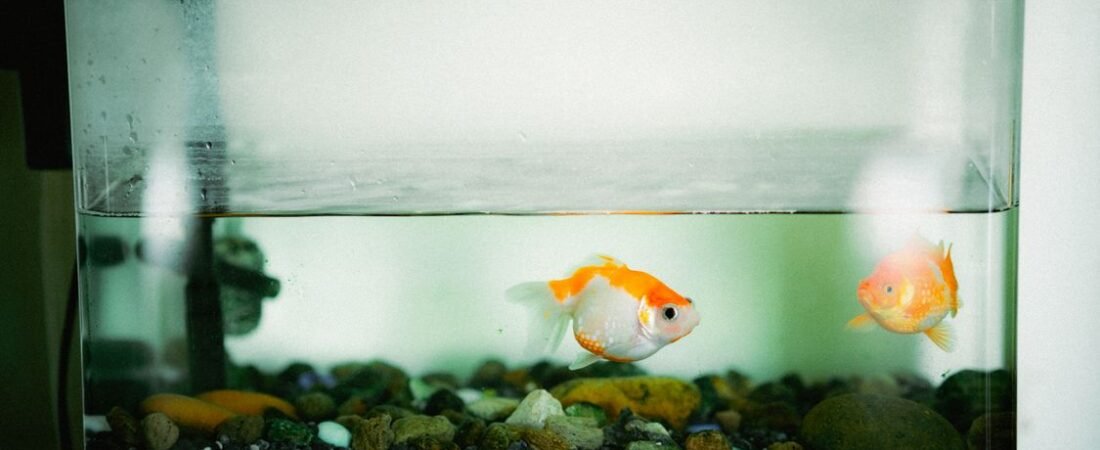
Learning how to do water changes in a fish tank is one of the most important skills any new fish keeper can develop, and it is also one of the most quietly satisfying. There is something almost meditative about the weekly rhythm of siphoning the gravel, watching the water clear, and knowing the tank is healthier for it. Once the routine settles in, it stops feeling like a chore and starts feeling like a small, dependable act of care.
The tricky part is that many beginners either skip water changes altogether, or worry they will do them wrong and harm their fish. Both outcomes are more common than you might think. This guide walks through everything a new fish keeper needs to know, without the overwhelm.
Why Water Changes Matter More Than You Think
Fish tanks are closed systems. Unlike a river or a pond, there is no natural mechanism to flush out waste or replenish minerals. Every time a fish eats and metabolizes food, ammonia enters the water. Beneficial bacteria convert that ammonia into nitrite and then into nitrate, which is a safer compound but one that still accumulates over time. Water changes are the only reliable way to remove that built-up nitrate before it reaches levels that stress your fish.
If you have ever wondered why an established tank still needs regular maintenance even when it looks clean, this is why. The water may appear crystal clear while still carrying nitrate levels that quietly wear on your fish’s immune system, reduce their appetite, and dull their color over time. For a deeper look at how this process works from the very beginning, our guide to understanding the nitrogen cycle in a new tank explains it in a way that makes it feel approachable rather than intimidating.
How Often and How Much
For most freshwater aquariums, a weekly water change of around 25 percent is a solid and sustainable starting point. That is one quarter of the tank’s total volume, replaced with fresh, treated water at a similar temperature. This frequency keeps nitrate levels in check without requiring large, disruptive changes that can stress fish.
Some lightly stocked tanks with strong filtration and live plants can get away with biweekly changes of 15 to 20 percent. Heavily stocked tanks, small tanks under ten gallons, or tanks that house messy fish like goldfish or cichlids may benefit from more frequent changes. Testing your water weekly with a basic liquid test kit is the most reliable way to know where your tank sits. If nitrates are consistently climbing above 20 to 40 parts per million between changes, increase the frequency slightly.
One thing to avoid is skipping several weeks and then doing a very large change to compensate. A 50 percent or larger water change can cause a sudden shift in water chemistry that is harder on fish than the gradual accumulation of nitrates. Smaller, more consistent changes are always gentler than infrequent large ones.
The Tools That Make It Simple
The most common reason people dread water changes is the bucket method, and it is a legitimate complaint. Carrying heavy buckets of water back and forth, siphoning water into a bucket with your mouth, trying not to spill on the carpet, and then manually refilling from a separate container is genuinely tedious. It is the kind of task that is easy to put off, and putting it off is bad for the fish.
The Python No Spill Clean and Fill system changed the way many fish keepers approach this routine. It attaches directly to a faucet and lets you drain and vacuum the gravel without buckets, then refill the tank from the same hose by simply turning a valve. The whole process, gravel vacuuming included, takes about 15 minutes on a 30-gallon tank. The first time someone uses it after years of buckets, the reaction is almost universally that they should have bought one sooner.
For smaller tanks or situations where a faucet hookup is not practical, a simple hand-operated siphon vacuum does the job well and costs very little. The key is to vacuum the gravel each time you do a water change, not just remove water from the surface. Waste and uneaten food settle into the substrate and break down there, so vacuuming the gravel removes a significant portion of what would otherwise keep adding to nitrate levels.
Treating the New Water
Tap water contains chlorine or chloramine, depending on the water treatment in your area. Both are added to make tap water safe for people, but both are harmful to fish and, more critically, to the beneficial bacteria that keep your tank’s nitrogen cycle functioning. Before new water enters the tank, it needs to be dechlorinated.
Seachem Prime is the water conditioner that most experienced fish keepers eventually land on. It neutralizes chlorine and chloramine, and also temporarily detoxifies ammonia and nitrite, which provides a small safety margin if you are dealing with water quality fluctuations. A single 500ml bottle treats an enormous volume of water, which makes it economical despite the initial cost. The dosage is small enough that it works for even very large tanks without requiring a lot of product.
Temperature matching matters as well. Replacing cold tap water into a warm tropical tank can shock fish, even in a 25 percent change. Running the tap until the temperature is close to the tank’s temperature, or checking it with a thermometer before adding, is a small step that makes a meaningful difference. On days when the house is hot and the tap water is particularly warm, this check is especially worth doing in reverse.
Building the Habit
The easiest way to make water changes feel sustainable is to tie them to something that already happens regularly. Some people do their water change on the same day they do other weekly household tasks. Others find that a quiet Saturday morning, with a podcast playing and the tank nearby, turns into one of the more peaceful parts of their week.
Keeping everything in one place helps too. A dedicated corner near the tank with the Python system, a bottle of Seachem Prime, and a small towel for drips means the setup takes thirty seconds rather than five minutes of gathering supplies. The less friction there is, the more likely it is to actually happen on schedule.
If you are planning to travel and wondering how water changes factor into fish care while you are away, our guide to caring for fish while on vacation covers exactly what to do in the days before you leave and what to arrange while you are gone.
Common Questions
Can I do water changes too often?
For most established tanks, water changes up to 30 percent two or three times per week are not harmful, and some heavily stocked tanks genuinely benefit from that frequency. The concern is not frequency but volume. Changing more than 50 percent at once can cause chemistry swings that stress fish. Small and frequent is always preferable to large and infrequent.
Do I need to vacuum the gravel every single time?
For most tanks, yes. Gravel vacuuming during each water change removes the organic debris that accumulates in the substrate and contributes to nitrate buildup. Planted tanks with a thick substrate layer are an exception, as disturbing the substrate too aggressively can uproot plants and disrupt the beneficial bacteria living in the soil. In those cases, light surface vacuuming or skipping the gravel and focusing on water removal is a reasonable approach.
What if my tap water parameters are very different from my tank water?
This is worth checking with a test kit, particularly for pH and hardness. If your tap water is significantly different from your tank parameters, acclimating slowly by adding smaller amounts more frequently can help your fish adjust. For tanks with very specific water chemistry needs, some fish keepers use reverse osmosis water remineralized to target parameters, though this is rarely necessary for common community fish species.
The weekly water change is one of those things that sounds like a chore until it becomes part of the rhythm of the week. Set a day, gather the tools, and give the tank fifteen minutes of quiet attention. The fish respond in ways that are easy to notice over time: better color, more active behavior, more confidence at feeding time. It is a small ritual with a visible return, and that is a satisfying thing to have in your week.
Leave a Reply
You must be logged in to post a comment.