
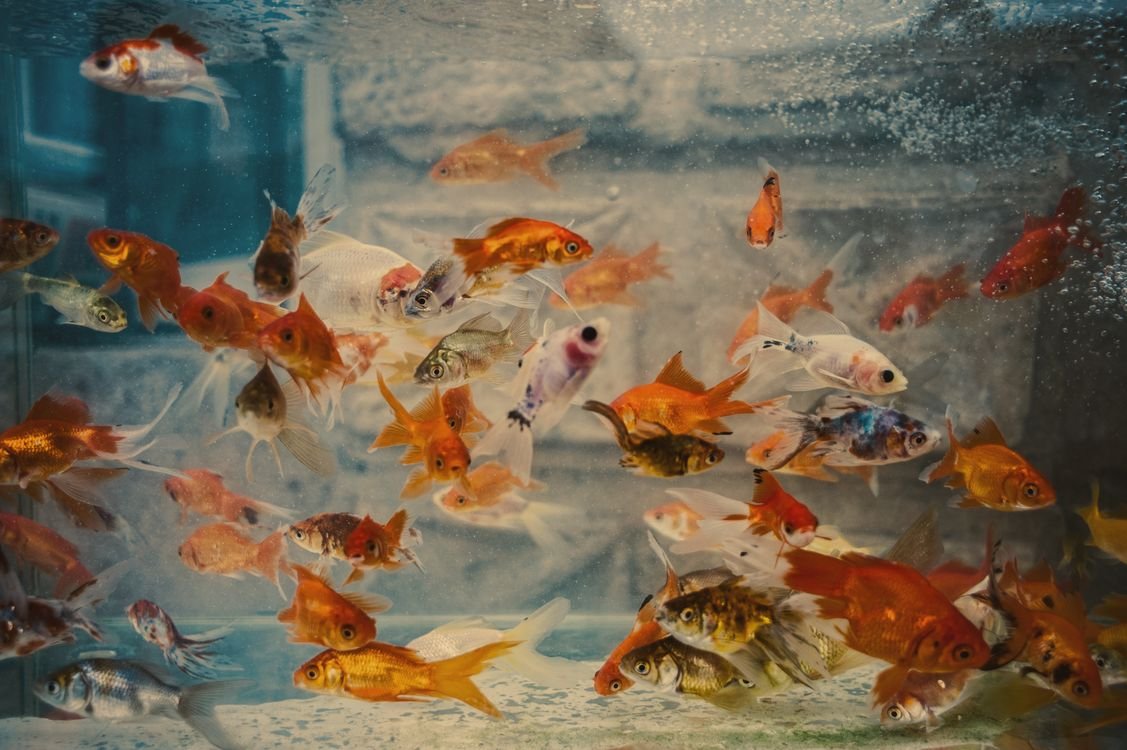
Most fish handle a week-long vacation just fine, as long as the tank is in good shape before you go. Knowing how to care for your fish while on vacation comes down to two things: a stable tank and a reliable feeding plan. A little preparation in the days before you leave makes the difference between checking your phone anxiously from the beach and actually relaxing.
The first time I left my aquarium for more than a weekend, I nearly talked myself out of going. I stood by the glass the night before departure, second-guessing every decision. What I learned over the years is that fish are more resilient than we tend to give them credit for, and a calm, methodical approach before any trip is all it really takes.
Start with a Healthy Tank Before You Leave
The best thing you can do before any trip is a thorough water change two to three days before your departure. Swap out 25 to 30 percent of the water, vacuum the substrate gently, and rinse your filter media in tank water (never under the tap, which can wipe out the beneficial bacteria your tank depends on). This gives everything a chance to settle and stabilize before you walk out the door.
While you are at it, run a full water test to confirm your parameters are in a healthy range. If anything looks off, now is the time to address it. Our guide to reading your aquarium water test kit walks through what each number means and what to do if something is elevated. Leaving with clean, balanced water is the single most important thing you can do for your fish.
Choosing How to Feed Your Fish While You Are Away
Automatic feeders: the most reliable option
For any trip longer than three days, an automatic fish feeder is genuinely worth the investment. These small devices clip to the rim of your tank, dispense a measured amount of food on a timer, and take most of the worry out of the feeding equation. The Freesea Automatic Fish Feeder has become a go-to for aquarium keepers who travel regularly. It holds enough food for a week or more, is easy to program, and has a simple one-touch setup that takes the mystery out of portioning. Run it for a day or two before you leave so you can confirm the amount being dispensed is right for your particular fish.
One important note: test the feeder before your trip, not on the morning you leave. You want to see exactly how much food is landing in the tank, adjust the portion if needed, and make sure the mechanism is turning smoothly. Some flake foods can clump slightly with humidity, so a dry run helps you catch that early.
Vacation feeder blocks: fine for short trips, with caveats
For a long weekend or a trip of three to four days, vacation feeder blocks can be a lower-effort option. The API 14-Day Vacation Pyramid Fish Feeder dissolves slowly to release food as the days pass. These blocks work reasonably well in stable, established tanks with a healthy pH range. The main caveat is that in softer water or more acidic tanks, the dissolving process can be inconsistent, and some setups see a slight cloudiness as the block breaks down. They are a practical backup for short trips, but for a full week or more, the automatic feeder is the more dependable choice.
The Day Before You Leave
Do one final small water change the day before departure, around 10 to 15 percent, using a water conditioner to treat the fresh water before adding it. Seachem Prime is a concentrated, reliable conditioner that neutralizes chlorine and chloramines and helps detoxify any trace ammonia in the new water. A small bottle goes a long way, and having it on hand for every water change is a habit worth keeping.
Check that your heater, filter, and light timer are all running correctly. If your home tends to get warm in summer while the air conditioning is off, this is worth thinking about before you go. Our guide on keeping your fish tank cool during summer covers the most common ways heat stress sneaks up on a tank, and many of those tips apply equally when the keeper is away.
A Few Things to Skip Before You Go
It can feel caring to give the fish an extra-generous meal before leaving, but overfeeding on departure day actually creates more waste and can throw off water quality faster. Feed normally the day before and the morning you leave, then let the feeder take over. Less is genuinely more here.
Avoid adding new fish in the days before any trip. New arrivals bring stress and unpredictability, and introducing them right before a vacation removes your ability to monitor and respond if something goes wrong. Wait until you are back home and settled before welcoming anyone new. Similarly, avoid doing a deep clean of your filter in the days leading up to departure. The colonies of beneficial bacteria living in your filter media are doing quiet, essential work, and disrupting them right before a week away can destabilize the tank at the worst possible time. If you want to understand what those bacteria are actually doing, our piece on the nitrogen cycle explains it gently and clearly.
Common Questions
How long can fish go without food while I am on vacation?
Most healthy adult fish can go five to seven days without eating and come through just fine. Their metabolism is slower than mammals, and a week without food is not the emergency it might feel like from a human perspective. That said, fry, very small fish, and certain species with higher metabolic needs do require more frequent feeding, so check the specific requirements for what you are keeping before you decide to skip a feeder entirely.
Should I ask someone to check on my fish while I am away?
A trusted neighbor or friend as a backup is always a comfort, especially for longer trips or tanks with more sensitive inhabitants. If you go this route, write down simple instructions covering what to look for, how much food to add if needed, and who to call in an emergency. Keep it to one page. Most well-meaning fish sitters run into trouble when they are given too little guidance, not too much.
What if something goes wrong with the tank while I am traveling?
A healthy, well-maintained tank is quite stable on its own for a week. The risks go up when water quality is already borderline, or when equipment is old or unreliable. Doing your pre-trip maintenance thoroughly, checking all equipment, and leaving a backup contact who can glance at the tank gives you a reasonable safety net. A small plug-in power strip with a surge protector is also worth having, so a minor electrical event does not knock out your heater and filter at the same time.
There is something quietly reassuring about returning home to a tank that held its own while you were gone. The fish are unhurried. The water is clear. Everything carried on in its own gentle rhythm while you were somewhere new. The preparation matters, but so does trusting the home you have built for them. Go on the trip. Your fish will be fine.