
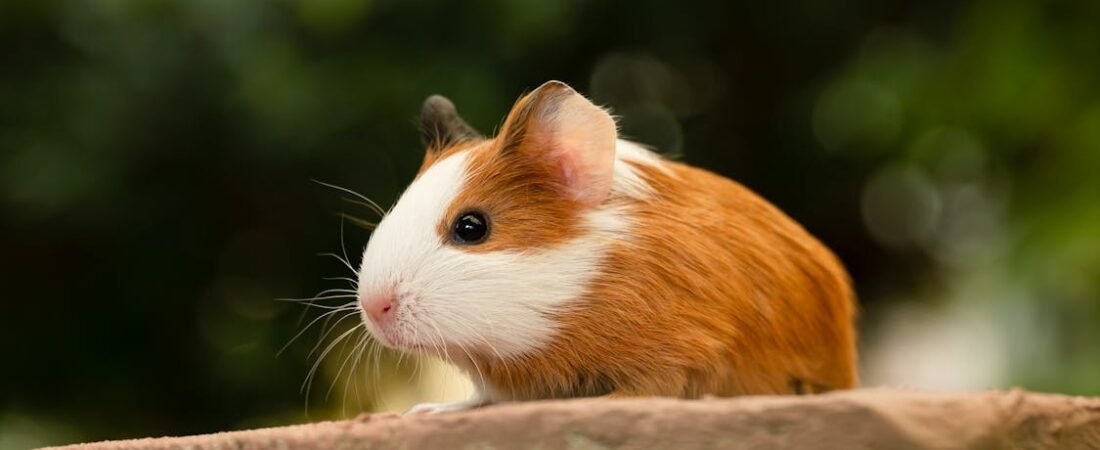
Guinea pig floor time enrichment ideas don’t need to be complicated or expensive to make a real difference in your piggies’ day. At its core, floor time is simply giving your guinea pigs dedicated time outside their cage to run, explore, sniff, and behave like the curious little creatures they are. Most guinea pig owners who try it consistently notice something wonderful: their piggies start wheek-ing at the sound of the playpen being set up, well before a single vegetable appears.
The first floor time session in our house was not particularly elegant. A corner of the living room, a fleece blanket, and a small cardboard box in the middle. Our two guinea pigs, Biscuit and Clove, spent the first five minutes pressed against the baseboard staring at me. Eventually Clove made a tentative dash toward the box, sniffed it thoroughly, and then climbed inside with the focused determination of someone checking into a very important hotel. That was the moment floor time made sense. It is not about entertainment (though watching them brings plenty of that). It is about giving them the physical space to simply be themselves.
Why Floor Time Matters More Than Most People Realize
Guinea pigs are active animals with strong instincts to roam, forage, and investigate. In the wild, they would travel considerable distances searching for food and shelter. A standard cage, even a generous one, cannot replicate that range of movement on its own. Floor time serves as the bridge between what a cage can offer and what a guinea pig genuinely needs.
Regular floor time supports healthy weight, reduces boredom-related behaviors, and gives them a broader sensory experience than any fixed enclosure can provide. Some of the most reserved guinea pigs show their bolder personalities for the first time during a floor time session, once the space feels familiar and safe. It is one of the more quietly rewarding things you can do for them each day.
Setting Up a Safe Guinea Pig Floor Time Space
The setup does not need to be elaborate. A section of a room cordoned off with a playpen, a low-sided C&C fence, or even a ring of sofa cushions works well for most households. The priority is safety: check for electrical cords, any gaps a guinea pig could squeeze through, and anything they might chew that they should not. A good rule is to think at their eye level before releasing them.
Fleece is a popular flooring choice for indoor floor time because it is soft underfoot and easy to wash. A few familiar smells from the home cage (a piece of their bedding, a favorite hidey) can help more nervous guinea pigs settle in faster. If your pig has been working on building their confidence lately, our post on building trust with a new guinea pig has some gentle guidance for those early stages.
Guinea Pig Floor Time Enrichment Ideas That Actually Work
This is where floor time transforms from a simple exercise break into something genuinely stimulating. The best guinea pig enrichment ideas tap into their natural behaviors: foraging, exploring, hiding, and chewing. The good news is that some of the most effective options cost almost nothing.
Tunnels and Hideouts
Tunnels are the single most universally loved addition to any floor time setup. Guinea pigs are prey animals by nature, and the security of a covered passageway satisfies something deep in their instincts. They will run through, nap in, and use tunnels as a home base for the entire session. A fleece tunnel with multiple openings gives them choices and keeps the space feeling fresh across repeated sessions.
We have been using the HOMEYA Collapsible Guinea Pig Tunnel during our own floor time, and the soft fleece interior seems to bring out a real sense of ease in even our more cautious pig. The three-way design means they are rarely waiting at the same entrance, which helps during multi-pig sessions.
Scatter Feeding and Foraging
Scatter feeding is one of the simplest enrichment ideas, and one of the most effective. Rather than placing fresh veggies in a bowl, scatter small pieces throughout the floor time area. Guinea pigs will spend meaningful time sniffing them out, which engages their nose and mind far more than a bowl ever could. Mixing a few dried herbs or a handful of parsley or cilantro into a loose pile of hay works especially well as a foraging challenge.
For ideas on which vegetables to rotate through, our guide to building a daily veggie routine is a good starting point for keeping things varied and nutritionally well-rounded.
Paper Bags and Cardboard Boxes
Before spending anything on enrichment supplies, raid the recycling bin. Plain paper bags (no handles, no ink or dye) and small cardboard boxes are absolute floor time staples. Guinea pigs will nose into them, sit inside them, chew the edges, and treat them with the reverence of a very significant discovery. Cut small doorways into boxes to add an extra layer of exploration interest.
A tissue box stuffed loosely with hay becomes a gentle foraging challenge that keeps them occupied for a surprisingly long time. Rotating in a new box or bag every couple of sessions keeps the novelty alive without any ongoing cost.
A Treat Dispenser for the Curious Ones
For guinea pigs who have settled into floor time and are ready for something a little more mentally engaging, a foraging toy adds a satisfying puzzle element to the session. The 3-piece Guinea Pig Foraging Toy Set includes a snuffle ball, treat dispenser, and puzzle slow feeder, giving three different ways to engage natural searching instincts. The washable materials make it easy to keep clean between sessions.
Not every guinea pig will engage with foraging toys right away, and that is completely fine. Leaving a new toy in the floor time space for a few sessions before expecting any interaction often helps. Some pigs prefer to inspect new objects at a careful distance before deciding they are worth engaging with, which is simply their personality rather than a problem to solve.
Reading the Room (and the Pig)
Part of the joy of floor time is simply watching. Once you understand a little of what their behavior means, each session becomes a small two-way conversation. Popcorning (those sudden, exuberant little leaps that gave this post its name) is a strong indicator that a guinea pig is feeling genuinely happy and safe. Zoomies (bursts of speed around the perimeter) signal the same kind of delight. Both are worth pausing whatever you are doing to notice.
If a pig flattens themselves against the wall and freezes for an extended stretch, they may simply need more time to acclimatize to the space. Keeping sessions consistent and the environment calm is usually all that is needed. Our guide to what guinea pig sounds really mean goes deeper into reading all the little signals they share throughout the day.
How Long and How Often
Most guinea pig care guides recommend at least one hour of floor time per day, though more is always welcome when it can be arranged. Some households find that two shorter sessions work better than one long one. There is no strict formula. The goal is consistency more than duration: a reliable daily floor time becomes part of a guinea pig’s understood routine, and many pigs begin showing anticipation (wheeking, pressing gently against the cage door) at the same time each day.
That kind of trust in a routine is one of the quieter rewards of guinea pig companionship. It is a small thing on the surface. It is not small to them.
Common Questions
How do I keep my guinea pig from escaping during floor time?
A proper playpen or exercise pen with solid sides (rather than mesh they can climb) is the most reliable option. The sides need to be at least 12 to 14 inches high, as guinea pigs can be surprisingly persistent when something interesting catches their attention on the other side. Doing a quick check for gaps before releasing them saves a lot of frantic scrambling.
My guinea pig just hides the whole time. Is something wrong?
Very likely nothing is wrong at all. Some guinea pigs take several sessions before they feel confident enough to venture out from a hideout. Keeping sessions consistent, avoiding reaching in to nudge them, and letting them discover the space at their own pace works best. Most guinea pigs grow noticeably bolder once the floor time area smells familiar and feels safe.
Can guinea pigs do floor time on carpet?
Yes, though placing a washable fleece mat over the carpet is a good idea for hygiene and easy cleanup. Guinea pigs will urinate and leave small droppings during floor time, so having a layer between them and the carpet makes the daily routine much more sustainable for everyone involved.
Floor time is one of those things that sounds simple on paper but opens up something genuinely special over time. Watching a guinea pig go from cautiously sniffing a new tunnel to confidently zooming through it three sessions later is a small thing by most measures. It does not feel small in the moment. The patience and the consistency of showing up for floor time, day after day, builds something that matters to them. That willingness to make space, quite literally, is one of the truest expressions of the companionship these small animals deserve.
Leave a Reply
You must be logged in to post a comment.