
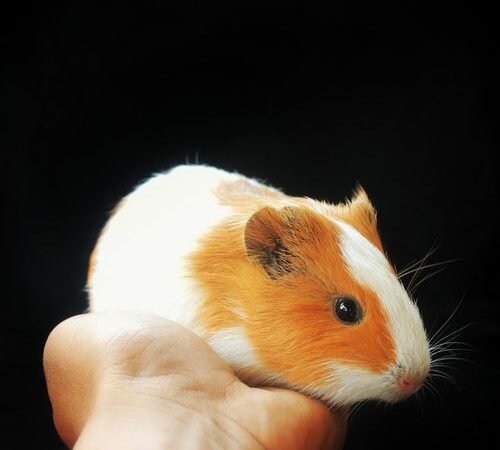
Learning how to trim guinea pig nails is one of those tasks that looks more daunting than it actually turns out to be, and getting comfortable with the process is one of the most practical things an owner can do for their piggy’s wellbeing. Overgrown nails curl under the foot, catch on cage bedding, and gradually make every step uncomfortable. With the right tools and a patient approach, most guinea pigs come to tolerate nail trims quite well once they become a regular part of the routine.
The first time I attempted a nail trim with my guinea pig, Clover, my hands were far shakier than they needed to be. She wiggled, I second-guessed myself, and we ended up finishing just two nails before I decided that was enough for one sitting. That turned out to be the right call. Two nails, a small piece of romaine lettuce, and a few minutes of calm settled us both. Over the following weeks, she relaxed into the routine, and so did I.
Why Nail Trimming Matters
Guinea pigs’ nails grow continuously throughout their lives. Without regular trimming, they reach a length where they curve under the foot or catch on surfaces, causing pain with each step. Left too long, overgrown nails contribute to bumblefoot, a pressure sore condition that develops on the foot pads and requires veterinary care. Trimming nails every three to four weeks keeps them at a comfortable length and also gives a natural opportunity to check the feet for any early signs of irritation or swelling.
What You Will Need
A good pair of small animal nail clippers makes a real difference. Human nail scissors and standard clippers tend to crush rather than cut cleanly, which is uncomfortable and can cause splitting. Small animal-specific clippers like the Kaytee Pro-Nail Trimmer are sized to fit small claws precisely and designed for a clean, single-motion snip. They have been a staple in the small animal community for years and hold up well with regular use.
Beyond the clippers, having a small flashlight nearby helps with darker nails, and a pinch of plain cornstarch kept within reach is an excellent precaution. If a nail is accidentally nicked too short, pressing cornstarch gently against the tip and holding for thirty to sixty seconds will stop the bleeding safely and without any harsh ingredients. It is the same principle as styptic powder, and most households already have it on hand.
Understanding the Quick
The quick is the blood vessel running inside each nail. Cutting into it causes bleeding and brief discomfort for the guinea pig, so finding it before trimming is worth the extra moment. In guinea pigs with light or pale nails, the quick is visible as a pink line inside the nail and ends noticeably before the tip. For guinea pigs with darker or opaque nails, holding a small flashlight underneath the nail will usually make the vessel visible through the nail.
The goal is to clip two to three millimetres past the end of the quick, taking just the very tip. Trimming conservatively and more frequently is always safer than attempting to cut aggressively to get ahead of the growth. With regular sessions, the quick gradually recedes, making future trims easier over time.
Getting Your Guinea Pig Comfortable Before You Start
A few minutes of calm handling before picking up the clippers goes a long way. A soft lap or a small towel wrap helps many guinea pigs feel more secure and contained during the process. Some owners find that trimming at floor level rather than on a table feels less alarming for the animal, since there is no height to worry about if they shift suddenly.
If general handling is still a challenge, the approaches in our gentle guide to building trust with a shy guinea pig translate naturally to grooming situations. Patience with handling builds patience with everything else. Knowing what your guinea pig sounds like when relaxed versus when genuinely stressed is also useful during nail trims. Our guide to guinea pig vocalizations covers many of the sounds that signal calm or discomfort, which helps owners read the moment and decide whether to continue or take a break.
Trimming, One Nail at a Time
With the guinea pig settled against the body or in a gentle towel wrap, extend one paw forward and locate the quick. Position the clipper just past the tip of the nail, then make a single, confident cut. Hesitant, drawn-out clips tend to crush rather than cut cleanly, so once the angle is right, a smooth motion produces a better result than a slow one.
After each nail, offering a small bite of vegetable or simply pausing to let the guinea pig settle before moving to the next foot keeps the association positive. There is no requirement to finish all four feet in one sitting. Trimming two feet, then taking a real break, finishing later the same day or even the following morning, is a completely sensible approach. A calm, partial session done well is worth far more than a rushed complete trim that leaves the animal stressed.
If You Nick the Quick
Accidentally cutting into the quick happens to experienced owners too, particularly with dark nails or a suddenly shifting animal. It causes a small amount of bleeding and brief discomfort, but it is not a serious injury. Pressing a pinch of cornstarch against the nail tip with steady, gentle pressure for about thirty to sixty seconds will stop the bleeding. Styptic powder from a pet supply store works in the same way if that is what is available.
Once the bleeding has stopped, offering a treat and giving the guinea pig a moment to settle before deciding whether to continue is the right instinct. Most guinea pigs recover quickly. The key is staying calm, because a relaxed owner communicates far more to the animal than any other variable in the room.
How Often to Trim
Most guinea pig owners find that trimming every three to four weeks keeps nails at a comfortable length without letting them get unwieldy. Guinea pigs on softer substrates or those who spend less time on harder surfaces tend to need more frequent trims, since there is less natural wear. A quick visual check during handling each week makes it easy to notice when nails are starting to get long before they become a problem worth worrying about.
Common Questions
What if my guinea pig refuses to sit still during nail trims?
Trimming fewer nails per session is almost always the right answer. There is no rule that says all four feet must be done at once. Starting with one or two nails, then ending on a positive note with a treat, builds a more cooperative routine over time than pushing through a struggling animal. Some owners find that trimming right after a long floor time session, when the guinea pig is naturally more relaxed, works better than trimming cold.
Can regular human nail scissors be used for guinea pig nail trimming?
Human nail scissors are not a good fit for guinea pig nails. The angle and blade shape tend to compress the nail before cutting, which can cause splitting or discomfort rather than a clean clip. Small animal nail clippers are sized for small, rounded claws and produce a much cleaner result. The investment is minimal and the difference in the quality of the trim is noticeable.
How do I know if my guinea pig’s nails are already too long?
Nails that have started to curve or hook at the tip are overdue for a trim. A guinea pig whose nails are long enough to catch on fabric, fleece, or cage bars is past the comfortable length. If the nails have curved significantly, it is worth trimming conservatively over several sessions rather than attempting to cut back to a short length all at once, since the quick will have grown forward with the nail and needs time to recede gradually.
Nail trim day does not have to feel like a confrontation. Going slowly, taking breaks as needed, and ending every session with something the guinea pig genuinely enjoys is a small and steady investment in trust. Most piggies come to accept it as simply part of their routine, and some seem to enjoy the close attention that comes with it. Neither the owner nor the guinea pig needs to get it right immediately. The calmness comes with practice, on both sides of the clippers.
Leave a Reply
You must be logged in to post a comment.