
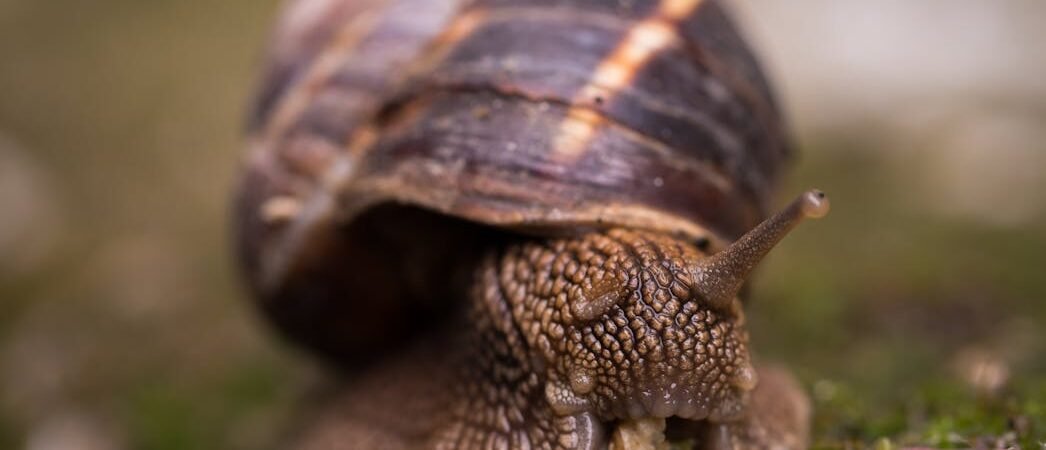
Pest snails in your aquarium can feel like an overnight invasion. One morning you glance at the glass and count three. By the weekend, there are thirty, and the panic sets in. But here is the thing most fishkeeping resources skip past too quickly: those tiny hitchhikers are not random troublemakers. They are actually telling you something useful about the balance of your tank, and learning to listen is the first step toward finding peace with them.
I remember the first time I noticed a cluster of bladder snails clinging to the inside of our planted tank. My partner spotted them before I did, and the look on their face was somewhere between fascination and alarm. We had no idea where they came from. It turned out they had hitched a ride on a bunch of live plants we had added the week before, tucked invisibly into the leaves as tiny eggs. That moment of surprise is something nearly every fishkeeper goes through sooner or later.
Where Pest Snails Come From
The most common pest snails, including bladder snails, ramshorn snails, and Malaysian trumpet snails, almost always arrive as stowaways. They cling to live plants, hide in substrate, and occasionally ride in on decorations purchased from other hobbyists. Their eggs are nearly invisible to the naked eye, which means even careful inspection before adding new plants might not catch them all.
This is not a failure on your part. It is simply one of the realities of keeping a living ecosystem. Even experienced aquarists who have been in the hobby for decades encounter these little travelers regularly.
What a Snail Boom Is Really Saying
Here is where things get interesting. A sudden explosion in snail numbers is almost always a signal that there is excess food in the tank. Snail populations are directly tied to how much organic material is available for them to eat. If the population is climbing quickly, it usually means one of a few things: the tank is being slightly overfed, there is decaying plant matter that has not been removed, or the substrate has built up a layer of uneaten food and waste.
In other words, the snails are not the problem. They are the messenger. They are doing exactly what nature designed them to do, which is consume organic waste. A tank with a thriving snail population has a nutrient surplus, and addressing that surplus is what brings the numbers back into balance naturally.
This connects to something we explored in our look at algae in new aquariums. Algae and snails often share the same root cause: a tank that is still finding its equilibrium. Both are signs of a system working through its growing pains, not signs that something has gone terribly wrong.
The Benefits You Might Not Expect
Before jumping straight to removal, it is worth pausing to consider what pest snails actually do for your tank. Bladder snails and ramshorn snails eat algae, consume decaying plant leaves, and help break down uneaten fish food. They do not eat healthy live plants, despite what some panicked forum posts might suggest. They are, in a quiet way, part of your tank’s cleanup crew.
Malaysian trumpet snails go even further. They burrow into the substrate and aerate it, which can help prevent dangerous gas pockets from forming in deeper gravel or sand beds. For planted tanks especially, this gentle turnover of the substrate is genuinely beneficial.
Some fishkeepers eventually come to appreciate their pest snails as a built-in indicator system. When the snail population is stable, the tank’s nutrient balance is in a good place. When it starts climbing, it is a gentle nudge to check feeding habits and maintenance routines.
Gentle Ways to Bring the Numbers Down
If the population has gotten out of hand and you would like to reduce it, there are several patient approaches that work well without disrupting the rest of your tank.
Feed Less, Watch More
The single most effective long-term solution is reducing the food supply. Feed your fish only what they can consume within two to three minutes, and remove any visible uneaten food afterward. A small glass feeding dish placed on the substrate can help keep food contained to one area, making it easier to spot and remove leftovers before they become snail fuel. Within a few weeks of more careful feeding, you will likely notice the snail population beginning to level off on its own.
The Blanched Vegetable Trick
One of the simplest removal methods is also one of the most satisfying. Drop a piece of blanched zucchini or a lettuce leaf into the tank before bed. By morning, it will be covered in snails. Lift it out gently, remove the snails, and repeat every few nights. It is a peaceful, chemical-free way to make a noticeable dent in the population over time.
Snail Traps
For a more hands-off approach, a dedicated snail trap can work quietly in the background. Something like the 3D Aquatic Solutions Snail Trap sits on the bottom of the tank and uses bait to lure snails in through small openings. You check it every day or two, empty it out, and let it keep working. It is a gentle solution that does not stress the fish or alter the water chemistry. The ISTA Snail Trap is another reliable option that comes with its own bait included, which is convenient if you are just getting started.
Assassin Snails
If the infestation is significant, adding a few assassin snails (Anentome helena) to the tank is a natural, long-term solution. These attractive striped snails are carnivorous and will slowly work through a pest snail population over weeks and months. For most tanks, one or two assassin snails per ten gallons is plenty. They are peaceful, do not bother fish or shrimp, and they add a bit of character to the tank while they work.
What to Avoid
It can be tempting to reach for chemical solutions when the snail count feels overwhelming, but copper-based treatments and other snail-killing chemicals come with real risks. They can harm shrimp, sensitive fish, and the beneficial bacteria that keep your nitrogen cycle running. For most home aquariums, the gentler methods above are far safer and just as effective over time.
Similarly, a complete tank teardown to eradicate every last snail is rarely necessary and often causes more stress to the fish than the snails ever did. Patience and consistent maintenance will almost always bring things back to a comfortable balance, which is something we touched on in our piece on finding your rhythm with water changes.
Common Questions
Will pest snails eat my live aquarium plants?
Bladder snails and ramshorn snails do not eat healthy live plants. They feed on algae, decaying plant matter, and leftover fish food. If you notice damage to your plants, it is more likely caused by nutrient deficiencies or other tank conditions rather than the snails themselves. The one exception is the Giant Colombian Ramshorn, which is a voracious plant eater, but this species is much larger and far less common than typical pest snails.
How did pest snails get into my aquarium if I never added them?
Pest snails almost always arrive as hitchhikers on live plants, in substrate, or on decorations. Their eggs are tiny and nearly transparent, so they can easily go unnoticed during a visual inspection. Soaking new plants in a mild salt or alum dip before adding them to your tank can help reduce the chances, though some eggs may still slip through.
Can I ever fully eliminate pest snails from my aquarium?
Complete elimination is difficult because even a single surviving egg can restart the population. Most experienced fishkeepers find it more practical to manage the population through controlled feeding and occasional manual removal rather than trying to eradicate them entirely. A small, stable snail population is actually a sign of a healthy tank.
There is something quietly reassuring about a tank that has found its balance. The fish are calm, the plants are growing, and yes, a few small snails are making their rounds along the glass. They were never the enemy. They were just little passengers along for the ride, doing their small part to keep things tidy. Once the feeding is dialed in and the maintenance routine is steady, those numbers settle into something manageable, almost invisible. And on a quiet evening, watching one of them trace a slow, silver path across the front of the tank, it is hard not to appreciate the simplicity of a creature that asks for so little and gives back more than most people realize.
Leave a Reply
You must be logged in to post a comment.