
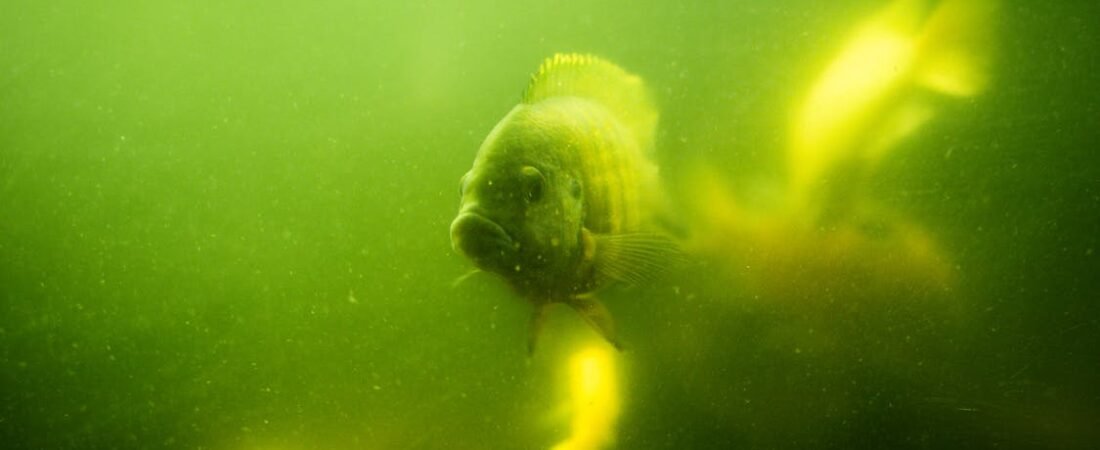
There is a moment in the life of almost every new aquarium where the water turns green. Not a subtle tint, but a full, unmistakable pea-soup haze that makes you question whether you have done something terribly wrong. I remember standing in front of our tank the first time it happened, feeling that particular mix of confusion and mild panic that only a cloudy aquarium can produce.
If you are staring at green water right now, take a breath. This is one of the most common experiences in fishkeeping, and it is almost always temporary. More importantly, it is a sign that your tank is alive and finding its balance, even if it does not look like it yet.
What Is Actually Happening
Green water is caused by a bloom of tiny, free-floating algae called phytoplankton. These microscopic organisms are always present in aquarium water in small numbers, but when conditions are just right (plenty of light, plenty of nutrients, and an ecosystem that has not yet found its equilibrium), they multiply rapidly. The result is that familiar green haze that can make your fish look like they are swimming through split pea soup.
In new tanks, this is especially common during the first one to three months. The nitrogen cycle is still establishing itself, beneficial bacteria populations are building, and the balance between nutrients and the organisms that consume them has not settled yet. It looks alarming, but the algae itself is not harmful to your fish. It is simply nature doing what nature does when resources are abundant and nothing is keeping them in check yet.
The Patience Approach
Here is something that surprised me when I was new to the hobby: one of the most effective responses to green water in a brand-new tank is to do very little. Many experienced fishkeepers recommend waiting it out. As your filter matures and beneficial bacteria establish themselves, the system gradually brings itself into balance. The bloom will often clear on its own within two to six weeks, sometimes seemingly overnight.
During this time, resist the urge to do large water changes. While it seems logical to flush out the green water, large water changes can actually reset the process by removing the beneficial bacteria that are slowly gaining ground. Small, gentle water changes of 10 to 15 percent weekly are fine and help keep other parameters in check without disrupting the progress your tank is making behind the scenes.
Light Is Usually the Biggest Factor
If patience alone is not your style (and honestly, watching green water for weeks tests even the calmest among us), the single most impactful thing you can adjust is light. Algae thrives on light the same way a garden does. Our guide to aquarium lighting goes deeper into finding that sweet spot between too much and too little. If your tank lights are running for 10, 12, or more hours a day, dialing back to 6 to 8 hours can make a significant difference.
A simple outlet timer takes the guesswork out of this completely. The BN-LINK Mechanical Timer is an inexpensive, reliable option that lets you set consistent on and off times for your aquarium light. Consistency matters here. Your fish and plants benefit from a predictable day-night cycle, and keeping that schedule steady helps discourage algae from gaining a foothold.
Direct sunlight is another common culprit. If your tank sits near a window, even indirect afternoon sun can fuel algae growth. Moving the tank or adding a curtain during peak sun hours can work wonders.
Feeding Less Than You Think
Overfeeding is one of those habits that nearly every new fishkeeper develops, and it is completely understandable. Watching your fish eat is one of the great joys of the hobby. But uneaten food breaks down into nutrients that algae loves. A good rule of thumb is to feed only what your fish can consume in about two minutes, once or twice a day. If food is drifting to the bottom uneaten, you are offering a bit too much.
With that in mind, cutting back slightly on feeding during an algae bloom can help starve the phytoplankton of the excess nutrients they are feeding on. Your fish will be perfectly fine. They are far more resilient than we give them credit for.
When the Bloom Persists
If your green water lingers beyond a few weeks despite reducing light and feeding, a UV sterilizer is a gentle, effective tool. These small devices use ultraviolet light to kill free-floating algae as water passes through them. They do not affect your fish, your plants, or the beneficial bacteria in your filter. They simply clear the water column of those tiny green organisms.
The NICREW Aquarium Light Timer and Dimmer is worth considering if you want more precise lighting control for the long term. It simulates a gradual sunrise and sunset, which is gentler on your fish and helps maintain a stable light environment that discourages future blooms.
What Algae Is Trying to Tell You
Here is a perspective shift that helped me enjoy the hobby more: algae is not the enemy. It is feedback. Green water says, “There are more nutrients available than the system can currently use.” Brown algae on glass says, “The tank is still young and maturing.” A little film on decorations says, “Life is happening here.” Once you start reading algae as information rather than failure, the whole experience becomes less stressful.
Even established tanks get algae from time to time. A little on the glass, a bit on a rock. It is part of maintaining a living ecosystem. The goal is not a sterile, algae-free tank. The goal is balance, and balance is something that develops gradually, with patience and gentle adjustments.
A Quiet Reminder
If you are in the thick of a green water phase right now, know that it passes. Every seasoned fishkeeper you admire went through this exact moment, that bewildering week or two where the tank looked like a swamp and the temptation to tear everything down felt very real. They did not have some secret knowledge you lack. They simply waited, made small adjustments, and let the system find its way. Your tank is doing the same thing right now, even if it does not look like it. Give it time, keep the lights on a schedule (and if you are ready for a broader seasonal refresh, our guide to spring cleaning your aquarium covers the full picture), and one morning you will wake up to clear water and wonder what all the worry was about.
Frequently Asked Questions
Is green water harmful to my fish?
Green water caused by a phytoplankton bloom is generally not harmful to fish. In fact, some fish fry are actually raised in green water because the tiny organisms provide food. The main concern is aesthetics and the potential for very dense blooms to affect oxygen levels overnight, though this is rare in most home aquariums.
Will a UV sterilizer prevent all algae growth?
A UV sterilizer is very effective against free-floating algae that causes green water, but it will not prevent algae that grows on glass, decorations, or plants. Those types of algae are best managed through light control, nutrient balance, and gentle manual removal during regular maintenance.
Should I do a blackout to clear green water?
A multi-day blackout (covering the tank completely for 3 to 4 days) can be effective for stubborn green water, but it should be a last resort rather than a first step. It can stress plants and disrupt the tank’s rhythm. Reducing light hours and being patient usually resolves the issue without such a dramatic intervention.
Leave a Reply
You must be logged in to post a comment.