
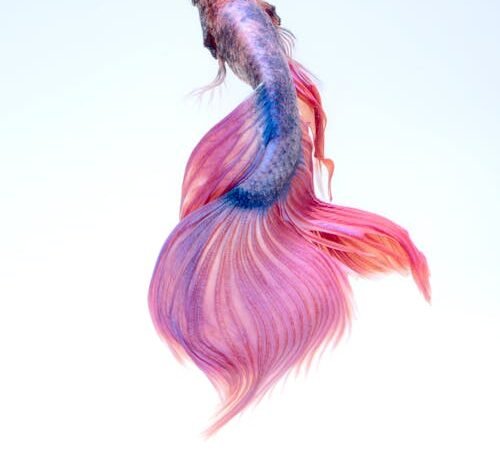
There is a moment in every fishkeeper’s journey where the tank stops being just a glass box with water and starts becoming something alive. For me, that moment came when I finally got the lighting right. The plants started growing instead of just surviving, the colors of the fish deepened, and the whole aquarium began to feel like a living painting. If you are still figuring out the lighting side of things, I promise it is simpler than it seems.
When I first set up our planted tank, I made the classic mistake of leaving the light on for far too long, thinking more light meant happier plants. What I got instead was a tank full of algae and some very confused-looking fish. (If you are in the middle of an algae bloom right now, our post on making peace with algae can help.) It took a bit of trial and error before I found the balance, and I am happy to share what worked for us.
Why Lighting Matters More Than You Think
Light is the engine behind photosynthesis, the process that keeps your aquarium plants growing and producing the oxygen your fish need. Too little light and your plants will struggle, losing color and growing leggy as they reach for whatever brightness they can find. Too much light, and algae seizes the opportunity to take over, turning your carefully planted tank into a green, murky mess.
The sweet spot is not just about brightness, though. It is about consistency. Plants and fish thrive on a reliable day-and-night cycle, just like they would in nature. A predictable schedule helps regulate everything from plant growth to fish behavior, and it brings a sense of calm to the whole ecosystem.
How Many Hours Is Just Right
For most freshwater planted tanks, somewhere between six and eight hours of light per day is a wonderful starting point. If your tank is newly set up, I would lean toward the lower end. Six hours gives your plants enough energy to establish their roots without giving algae a head start.
As your tank matures and your plants fill in, you can gradually increase to eight or even ten hours. The key is to make changes slowly, adding thirty minutes at a time and watching how the tank responds over a week or two before adjusting again. Patience here pays off in a tank that looks lush without being overrun.
The Timer That Changed Everything
If there is one piece of advice I wish someone had given me on day one, it is this: get a timer. Trying to remember to turn the light on and off at the same time every day is a recipe for inconsistency, and inconsistency is where algae problems start. A simple mechanical timer takes the guesswork out entirely.
We use a BN-LINK Mechanical Outlet Timer for our tank, and it has been one of the best small investments in the hobby. You set the pins for when you want the light on and off, plug it in, and forget about it. Even when we go away for a few days, the tank gets its perfect schedule without us lifting a finger.
Choosing the Right Light
The world of aquarium lighting can feel overwhelming when you start looking at all the options. For a beginner planted tank (our guide to setting up your first planted betta tank covers the full setup process) with low to moderate light plants like java fern, anubias, or cryptocoryne, you do not need anything fancy or expensive. A basic full-spectrum LED light designed for planted tanks will serve you beautifully.
The NICREW ClassicLED Gen 2 Aquarium Light is a wonderful entry point. It offers adjustable brightness, a built-in timer with dual channels for daytime and moonlight modes, and it fits a range of tank sizes with extendable brackets. The ability to dim the light is especially helpful when you are fine-tuning the balance for your particular plants.
Reading Your Tank’s Signals
One of the most rewarding parts of this hobby is learning to read what your tank is telling you. If you start seeing a thin film of green algae on the glass within a week of adjusting your lights, that is a gentle signal that the light period might be a touch too long. If your plants are growing pale or stretching toward the surface, they might be asking for a little more brightness or a slightly longer photoperiod.
Brown diatom algae, which often appears in newer tanks, is usually not a lighting issue at all. It tends to resolve on its own as the tank matures. The key is not to panic and make drastic changes. Small, gradual adjustments and a bit of observation will teach you more about your tank than any guide ever could.
The Beauty of Consistency
There is something deeply calming about an aquarium that runs on a gentle rhythm. The light comes on in the morning, the plants begin their quiet work, the fish go about their day, and as the light dims in the evening, the tank settles into a peaceful glow. That rhythm is not just good for the inhabitants of the tank. It is good for you, too. Take the time to find your tank’s natural schedule, trust the process, and enjoy the slow, beautiful unfolding of a little underwater world that is entirely your own.
Frequently Asked Questions
Can I use a regular desk lamp for my aquarium?
Regular lamps are not ideal for planted tanks because they may not provide the right light spectrum for photosynthesis. A full-spectrum LED designed for aquarium use will give your plants the wavelengths they need while also enhancing the colors of your fish. The good news is that beginner aquarium lights are quite affordable.
Do fish need light at night?
No. Fish need a dark period to rest, just like they would in nature. A consistent 6 to 8 hours of light followed by darkness is healthy for both fish and plants. Some aquarium lights offer a moonlight mode that provides a very dim blue glow without disrupting the rest cycle.
Why are my plants turning yellow even with good lighting?
Yellowing leaves can indicate a nutrient deficiency rather than a lighting problem. Iron and potassium are common culprits. If your lighting schedule and intensity seem right but plants are still struggling, a gentle liquid fertilizer dosed once a week may be what they need to thrive.
Leave a Reply
You must be logged in to post a comment.