
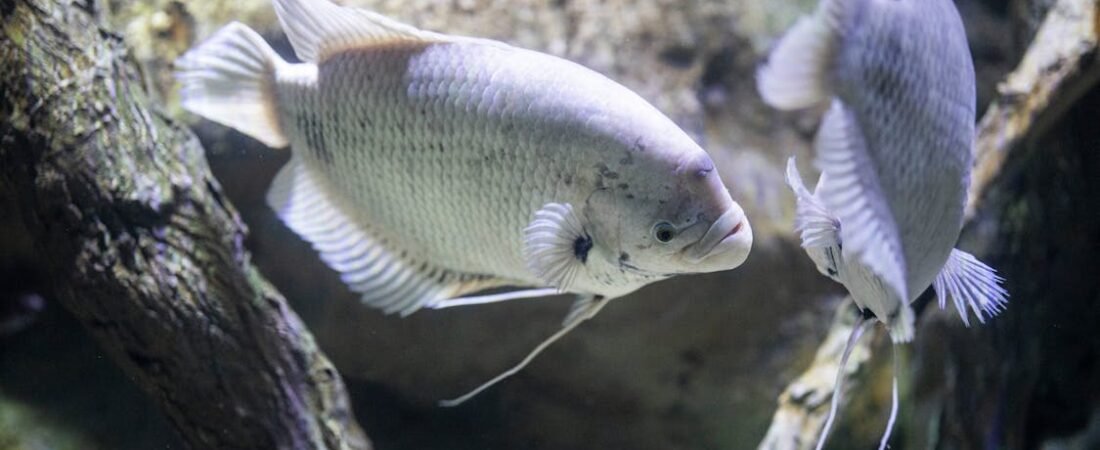
When new fish hide and refuse to eat, it is almost always a sign that they need a little more time to feel safe, not that something has gone terribly wrong. This is one of the most common experiences in fishkeeping, and it can be surprisingly emotional for the person watching from the other side of the glass. The good news is that most fish come around within a few days, and there are gentle things you can do to help the process along.
I remember the first time I added a small group of tetras to a tank I had spent weeks preparing. The water was perfect, the plants were thriving, and I had imagined them swimming happily through every corner of their new home. Instead, they huddled behind the filter intake and refused to come out. I did not see a single one eat for two full days. It was hard not to take it personally, even though I knew they were just being fish.
Why New Fish Hide in the First Place
Fish experience stress in ways that are easy to underestimate. The journey from a pet store to your tank involves changes in water temperature, water chemistry, lighting, and the sounds and vibrations of an entirely new environment. For a small creature whose survival instincts are finely tuned, hiding is not a sign of a problem. It is a perfectly reasonable response to a world that just changed completely.
Most freshwater fish will spend anywhere from a few hours to three or four days tucked away behind plants, decorations, or filters before they start to explore. Some species, like certain catfish or loaches, are naturally more reclusive and may always prefer the quieter corners of the tank. The key is knowing the difference between a fish that is adjusting and one that might need help.
Creating a Space That Feels Safe
One of the most helpful things you can do before bringing new fish home is to make sure the tank already has plenty of places to hide. It might sound counterintuitive, but fish that have easy access to hiding spots actually come out into the open more often. When they know they can disappear quickly if they need to, they feel confident enough to explore.
Live plants, pieces of natural driftwood, and smooth rocks arranged to create small nooks all work beautifully. We have had wonderful results using PINVNBY Natural Driftwood in our tanks. The branching shapes create little pockets of shelter that fish gravitate toward, and they add a lovely organic feel to the aquarium at the same time.
If your tank is still fairly sparse, even something as simple as a terracotta pot laid on its side can give a nervous newcomer a place to retreat. The goal is not to fill every inch of the tank with hiding spots, but to break up the open space enough that a fish never feels completely exposed.
The First Few Days: What to Expect
During the first 24 to 48 hours, it is completely normal for new fish to show little interest in food. Their stress levels are elevated, and eating is simply not a priority when every instinct is telling them to stay still and stay hidden. Resist the urge to keep offering food in hopes of coaxing them out. Uneaten food sinks to the bottom and can affect your water quality, which adds another layer of stress to an already overwhelmed fish.
After the first day, try offering a very small pinch of food, just enough to see if anyone is interested. If they ignore it, remove what you can and try again tomorrow. Some fishkeepers have found that offering something especially tempting, like frozen bloodworms or brine shrimp, can spark that first feeding response. But patience is really the most important ingredient here.
Speaking of water quality, keeping a close eye on your parameters during this transition period is genuinely important. Ammonia and nitrite spikes can happen when a new bioload is added, and those invisible changes can make a stressed fish feel even worse. Having a reliable test kit on hand, like the API Freshwater Master Test Kit, makes it easy to check in on those numbers without guessing. We test our water a bit more frequently during the first week after adding new fish, just for peace of mind.
Gentle Ways to Ease the Transition
Beyond hiding spots and water quality, there are a few small things that can make a real difference in how quickly new fish settle in.
Keeping the aquarium lights dimmed or off for the first day or two can help enormously. Bright overhead lighting can feel exposed and unnatural, especially for fish that just came from a dimly lit bag or store tank. If your light is on a timer, consider turning it off manually for the first day and letting the room’s ambient light do the work instead. Our guide to aquarium lighting covers more about finding the right balance for your tank over the long term.
Minimizing activity around the tank also helps. Fish are incredibly sensitive to vibrations and movement outside the glass. Walking past the tank frequently, tapping the glass (even gently), or having loud conversations nearby can all extend the adjustment period. Give them a quiet few days and you will likely see a noticeable difference in their confidence.
A water conditioner designed to support the protective slime coat can also be a kind addition during this period. Something like Seachem StressGuard helps reduce the impact of handling and transport stress while supporting healing if any fins were nipped or scraped along the way. It is one of those products that quietly does its job in the background.
When to Start Paying Closer Attention
While hiding and skipping meals for the first couple of days is perfectly normal, there are a few signs that suggest something more might be going on. If a fish has not eaten at all after four or five days, if you notice clamped fins, white spots, a fuzzy coating, or rapid gill movement, it is worth investigating further.
Test your water parameters first. Ammonia or nitrite readings above zero are a clear signal that the tank’s biological filter may not be handling the new bioload yet. If you are new to understanding those numbers, our calm guide to aquarium water changes walks through what to look for and how to respond gently.
If your water tests look good and the fish is still struggling, it may be worth reaching out to your local fish store for advice. Many experienced staff members can help identify common illnesses early, and catching things in the first few days often makes treatment much simpler.
A Note on Adding Fish to an Established Community
Introducing new fish to a tank that already has residents adds another layer to the adjustment. Existing fish have established territories and routines, and newcomers can feel that social pressure on top of the environmental change. One helpful approach is to rearrange a few decorations before adding the new fish. This disrupts the existing territories just enough that everyone is exploring and resettling at the same time, which can reduce the chances of bullying.
If you are still in the early stages of building your community, our guide to stocking your first aquarium covers how to think about compatibility and timing so that each addition feels as smooth as possible.
Common Questions
How long is it normal for new fish to hide and not eat?
Most freshwater fish begin to explore and eat within two to three days of being added to a new tank. Some naturally shy species may take up to a week. If a fish has not eaten after five days, it is worth testing your water parameters and looking for signs of illness.
Should I leave the aquarium light off for new fish?
Keeping the light off or dimmed for the first 24 to 48 hours can help new fish feel less exposed and settle in faster. After that initial period, gradually returning to your normal lighting schedule is perfectly fine.
Will adding more hiding spots make my fish hide more?
It might seem that way at first, but the opposite tends to happen over time. Fish that feel secure because they have easy access to shelter are actually more likely to spend time in the open. A tank with plenty of plants, driftwood, and cover usually results in fish that are more visible and more relaxed than a bare tank where they feel constantly exposed.
There is something quietly beautiful about watching a new fish go from hiding behind the filter to swimming confidently through the middle of the tank for the first time. It does not happen on a schedule, and it cannot be rushed. But when it does happen, when that little flash of color finally drifts out into the open and starts exploring, it is one of the most rewarding moments in fishkeeping. All it took was a little patience, a safe space, and the willingness to let them find their way in their own time.
Leave a Reply
You must be logged in to post a comment.