
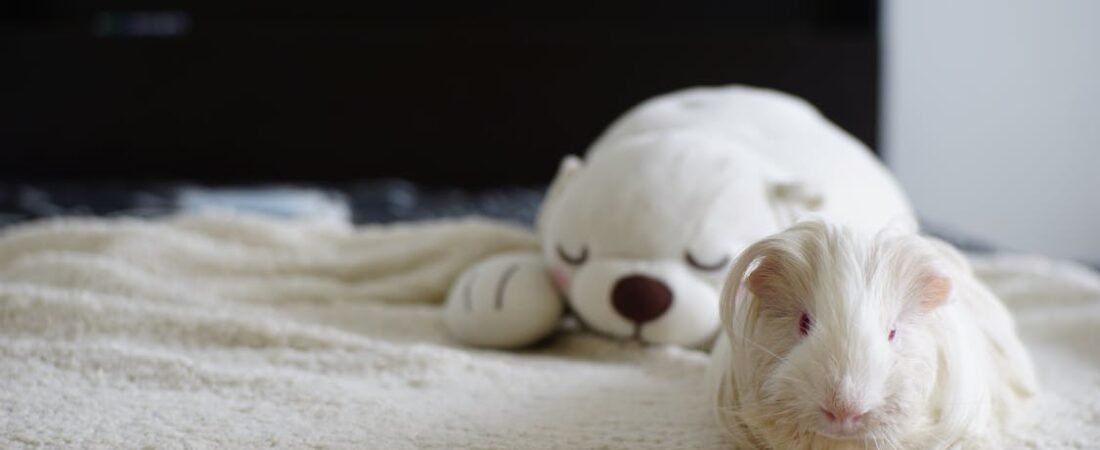
Weighing your guinea pig at home once a week is one of the simplest, most reliable ways to catch health concerns before they become emergencies. Guinea pigs are naturally skilled at hiding when something is wrong, a survival instinct that served them well in the wild but makes it surprisingly easy for owners to miss the early signs of illness. A weekly weigh-in takes less than a minute, costs nothing beyond a basic kitchen scale, and can genuinely be the difference between catching a problem early and discovering it too late.
I remember the first time I noticed one of our guinea pigs had quietly lost weight over a couple of weeks. Nothing else seemed off. The hay was disappearing, the wheeks at veggie time were as enthusiastic as ever, and the little personality quirks were all still there. But the numbers on the scale told a different story, and that small piece of information led us to the vet before things had a chance to get worse. It is a moment I think about often, because it taught me that sometimes the most caring thing we can do is simply pay attention to the quiet details.
Why Guinea Pigs Hide Illness So Well
In the wild, a guinea pig that looks weak becomes a target. That instinct does not disappear in a cozy living room. Even when they are uncomfortable or in pain, guinea pigs will often keep eating, keep moving, and keep acting like everything is fine until their body simply cannot keep up the act anymore. By that point, the illness may have progressed significantly.
This is exactly why weight tracking is so valuable. A guinea pig can lose 50 or 100 grams over the course of a week or two without looking visibly thinner, especially under all that fur. But a scale catches what our eyes might miss. It is a gentle, non-invasive way to listen to what their bodies are telling us, even when they are doing their best to stay quiet about it.
How to Weigh Your Guinea Pig at Home
The good news is that you do not need anything fancy. A standard digital kitchen scale that measures in grams works perfectly well. If you would like something designed with small animals in mind, a dedicated pet scale like the MINDPET-MED Small Pet Scale offers gram-level precision and a flat surface that makes the process a little easier, but it is not a requirement. Any kitchen scale that reads in grams will do the job.
Place the scale on the floor rather than a counter or table. This way, if your guinea pig decides to make a brave leap (and some of them absolutely will), there is no dangerous drop to worry about. Pop a small bowl or container on the scale, press the tare button to zero it out, and gently set your guinea pig inside. Most piggies will sit still for a few seconds out of sheer curiosity, and that is all the time you need.
For the most consistent readings, try to weigh at the same time each week, ideally in the morning before breakfast. A guinea pig who has just enjoyed a generous pile of hay will naturally weigh a bit more than one who has not eaten yet, so keeping the timing steady helps you compare week to week with confidence.
What the Numbers Actually Mean
A healthy adult male guinea pig (boar) typically weighs between 900 and 1,200 grams, while adult females (sows) usually fall between 700 and 1,000 grams. But those ranges are broad for a reason. Every guinea pig is a little different, and what matters most is not the number itself but the trend over time.
Small fluctuations of around 20 to 30 grams from week to week are completely normal. That might be the difference between a full belly and an empty one, or simply the natural rhythm of their day. What you want to watch for is a consistent downward trend. If a guinea pig loses 50 grams or more in a single week, it is worth paying closer attention. A drop of 100 grams or more is a signal to call the vet, even if everything else seems fine on the surface.
Weight gain can also tell a story. A guinea pig who is steadily gaining beyond their usual range may be getting a little too generous a portion of pellets, or there could be something else going on that is worth a conversation with your vet. As we explored in our guide to Vitamin C and your guinea pig, nutrition plays such a central role in their overall wellbeing that even subtle changes can ripple outward.
Keeping a Simple Weight Log
The real power of weekly weigh-ins comes from having a record to look back on. It does not need to be complicated. A small notebook kept near the scale works beautifully, or a simple spreadsheet on your phone if you prefer something digital. Write down the date, the name of the guinea pig, and the weight in grams. That is it.
Over time, this little log becomes a surprisingly meaningful window into your guinea pig’s health. You will start to see their personal baseline, and any deviation from that pattern will stand out clearly. Some owners even find it reassuring during vet visits to bring along their weight log, because it gives the vet a timeline that can help with diagnosis. If you have noticed changes in appetite alongside weight shifts, our post on what to do when your guinea pig turns up their nose at hay might offer some helpful context too.
Making Weigh-In Day a Positive Experience
Some guinea pigs take to the scale without a second thought. Others are a bit more skeptical about the whole arrangement. If your guinea pig seems nervous, try placing a small piece of lettuce or a thin slice of bell pepper in the bowl to give them something pleasant to focus on. The goal is for weigh-in day to feel like a small, calm moment together, not a stressful event.
If you have multiple guinea pigs, weighing them in the same order each week can help build a little routine. Guinea pigs are creatures of habit, and they often settle into patterns more quickly than we expect. A scale with a removable tray, like the Digital Pet Scale with Tray, can make it easier to clean between piggies if someone decides to leave a small surprise behind (it happens more often than you might think).
With time, many owners find that weigh-in day becomes one of those quiet rituals that deepens the connection. It is a moment of stillness, a gentle check-in, and a small way of saying, “I see you, and I am paying attention.”
Common Questions
What if my guinea pig will not sit still on the scale?
Try using a deeper bowl or container on the scale so they feel more enclosed and secure. A small treat inside can also help. If they are still restless, wait for a moment when they pause and note the reading quickly. The number does not need to be exact to the gram, just close enough to spot trends over time.
How much weight loss in a guinea pig is considered an emergency?
A loss of 50 grams in a week is worth monitoring closely and possibly scheduling a vet visit. A sudden drop of 100 grams or more, especially if it happens within a few days, should be treated as urgent. Guinea pigs can decline quickly, so it is always better to check in with a vet sooner rather than later when the numbers raise a concern.
Do I need a special pet scale, or will a kitchen scale work?
A regular digital kitchen scale that measures in grams is perfectly fine for weekly weigh-ins. Dedicated pet scales sometimes offer a larger weighing surface and a tare function that makes the process smoother, but they are a convenience, not a necessity. The most important thing is that the scale is accurate and that you use the same one each time for consistency.
There is something quietly beautiful about the act of weighing a guinea pig. It is such a small gesture, barely a minute out of the week, and yet it carries so much care inside it. Every time we place them gently on that scale and jot down a number, we are choosing to notice the things they cannot tell us in words. We are building a record of attention, a story of companionship written in grams and gentle hands. And in the end, that is what it comes down to: showing up for the small moments, trusting that the quiet details matter, and knowing that sometimes the most loving thing we can do is simply pay attention.
Leave a Reply
You must be logged in to post a comment.