
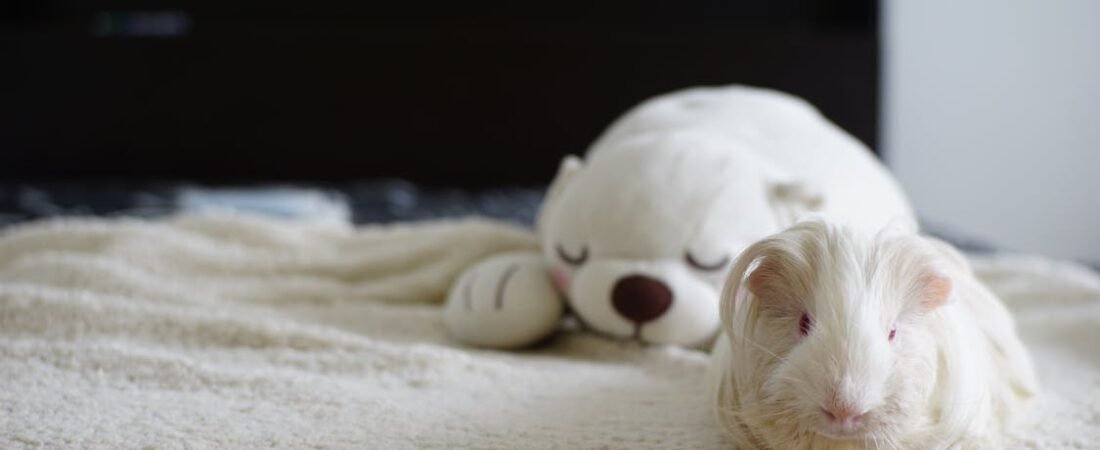
Choosing the right guinea pig bedding is one of the most practical decisions a new or experienced piggy keeper can make. The bedding underneath a guinea pig shapes the comfort of every nap, every foraging session, and every lazy afternoon stretch, so it’s worth thinking through rather than grabbing whatever’s closest on the shelf. The two most popular options today are paper bedding and fleece liners, and both genuinely work well when used thoughtfully.
This guide walks through the real-world experience of both, including a mixed setup that many long-time owners quietly swear by.
Why Bedding Matters More Than You Might Think
Guinea pigs spend their entire lives at ground level. Their feet are sensitive, their respiratory systems pick up on dust and fumes more easily than some other small animals, and their digestive health depends partly on being comfortable enough to move around freely and eat consistently. Bedding that is damp, dusty, or harsh underfoot can quietly chip away at their wellbeing in ways that are easy to miss until a vet points them out.
Good bedding absorbs moisture quickly, minimizes ammonia odors, and gives guinea pigs a surface that encourages their natural habits: burrowing, exploring, resting. It also makes weekly weigh-ins and health checks a little easier when the cage is clean and fresh. If weighing regularly isn’t already part of the routine, this post on weekly weigh-ins explains why it matters so much for these small animals.
Paper Bedding: The Classic Choice
Paper bedding has been the go-to for small pet owners for a long time, and for good reason. It’s highly absorbent, relatively low-dust, and most guinea pigs take to it immediately without any adjustment period. New owners often find paper bedding the easier starting point because the setup is simple: add several inches to the cage, spot-clean the wet areas daily, and do a full change every week or so depending on cage size and the number of pigs.
The brand that consistently earns trust from guinea pig owners is Carefresh Natural Paper Bedding. It’s made from reclaimed paper fiber rather than wood shavings, which means it’s 99% dust-free and free of the aromatic oils found in cedar or pine that can irritate guinea pig lungs. The 60L bag is a practical size for a standard C&C or midsize cage, and the odor control genuinely holds up for several days between full changes.
The main honest limitation of paper bedding is cost over time. A large bag goes quickly, especially with multiple guinea pigs or a spacious setup, and the expense adds up across a year. Some owners also find the disposable nature of it feels wasteful, particularly when managing a larger cage.
Fleece Liners: The Reusable Revolution
Fleece liners have become enormously popular in the guinea pig community over the past several years, largely because they combine a soft underfoot surface with a surprisingly manageable cleaning routine once the system is established. The top fleece layer wicks moisture downward into an absorbent core, keeping the surface itself dry to the touch. Guinea pigs tend to move around more freely on fleece, and owners often notice their pigs seem more active and playful, much like the kind of enthusiastic popcorning described in this enrichment guide.
The GuineaDad Premium Liner is a standout in this category. It uses a bamboo-blend absorbent layer beneath ultra-plush fleece, and the waterproof bottom protects the cage floor from moisture seeping through. The built-in burrowing pocket is a detail that piggies genuinely use, tucking themselves in during quiet hours in a way that is difficult not to find deeply endearing.
Fleece does require a consistent maintenance rhythm. The surface needs daily sweeping or a quick hand-vacuum to clear droppings and stray hay (the same hay that makes up the bulk of a guinea pig’s diet, as discussed in this post on hay), and the liner needs to go through the wash every five to seven days. For households that already do regular laundry, this usually fits in without much disruption. For households that find laundry a challenge, the daily sweeping commitment can feel like a lot.
Going Mixed: The Best of Both Worlds
A setup that many experienced owners land on after some trial and error is using fleece as the main cage surface combined with paper bedding in the hay and bathroom corner. This approach lets guinea pigs enjoy the softness of fleece across most of their living space while containing the heaviest soiling to a paper-bedded zone that can be spot-cleaned or fully swapped out without disturbing the whole cage.
The hay corner benefits especially from paper bedding because it absorbs the moisture that tends to build up wherever guinea pigs spend the most time eating and resting. This targeted use of paper also extends how long each liner goes between washes, which many owners find strikes a good balance between the eco-friendliness of fleece and the practical convenience of paper.
What to Avoid
Cedar and pine shavings, despite being widely available in pet stores, are not suitable for guinea pigs. Both contain aromatic oils that can cause respiratory irritation and have been linked to liver problems in small animals over time. Scented bedding products of any kind present a similar concern. Guinea pigs have sensitive lungs, and anything that introduces a strong fragrance into their breathing space is best avoided entirely.
Straw is also worth avoiding as a primary bedding material. It lacks the absorbency needed to manage guinea pig waste and the rough, hollow stems can cause eye injuries. Hay, which is round and soft, is different from straw and perfectly fine to pile generously in the cage as food and enrichment.
Common Questions
How often should guinea pig bedding be fully changed?
For paper bedding, a full change once a week is a reasonable baseline for one or two guinea pigs in a standard-sized cage. Spot-cleaning the damp areas daily makes the full change easier and keeps odor low between cleans. Fleece liners generally need washing every five to seven days, with daily dry sweeping in between.
Can guinea pigs have any bedding at all if they chew everything?
Guinea pigs do nibble at most things out of curiosity, and that includes bedding. Paper bedding made from natural, untreated fiber is safe to ingest in small amounts. Fleece is generally not eaten but some pigs do chew the edges, which is usually harmless. The bedding to avoid for safety reasons is anything scented, treated, or made from cedar or pine.
Is fleece bedding more expensive than paper in the long run?
Fleece liners typically cost more upfront, anywhere from $25 to $60 for a quality liner depending on cage size, but they last for months or even years with proper washing. Paper bedding has a lower per-bag cost but becomes more expensive over time since it’s replaced entirely with each change. Most owners find that fleece saves money over the long term, while paper offers more flexibility without a significant initial investment.
Whatever ends up lining the cage, the fact that someone is thinking carefully about what their guinea pig stands on every single day is one of those small, unhurried acts of care that these animals respond to over time. A piggy settled into a clean, soft space, fully at ease and confident that their needs are being met, has a particular kind of calm about them that makes all the laundry and bag-hauling feel entirely worth it.
Leave a Reply
You must be logged in to post a comment.