
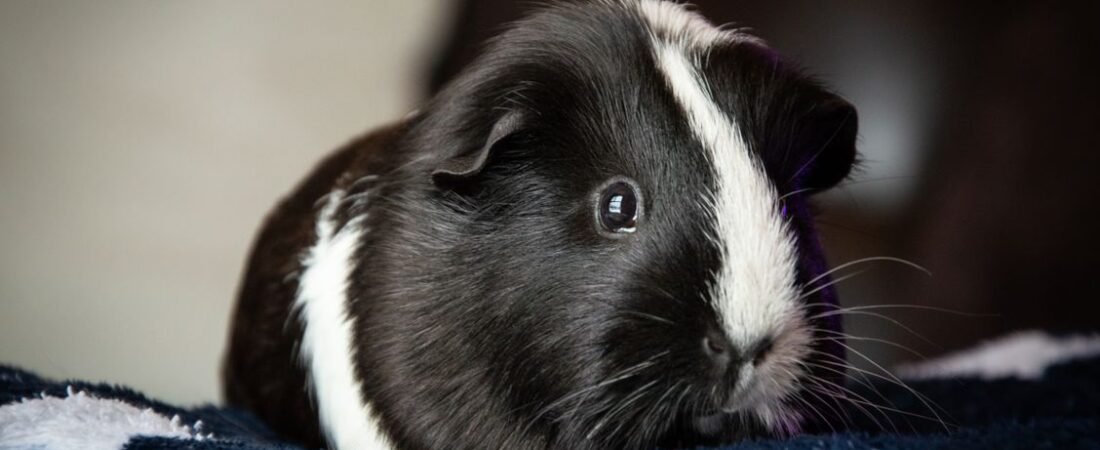
Guinea pig sounds and what they mean became one of the first things I needed to learn when I brought home my first pair of piggies. Within twenty minutes of arriving, one of them let out a long, piercing squeal that sent me running across the room in a panic, certain something was terribly wrong. It turned out that she had simply heard the rustling of a hay bag and was making her feelings on the matter very clear. That sound, a wheek, is now one of my favorite parts of the day.
Understanding your guinea pig’s vocalizations is one of the most rewarding parts of sharing your home with them. These little animals are far more expressive than most people expect, and once you learn their language, you begin to notice just how much they are actually telling you.
The Wheek: When Joy Sounds Like a Tiny Alarm
The wheek is the most recognizable guinea pig sound, a high-pitched squeal or whistle that travels through walls and across rooms with surprising ease. What is remarkable about wheeking is that researchers believe it is a vocalization guinea pigs developed specifically to communicate with humans. Wild guinea pig populations do not wheek. Domestic ones, over centuries of living alongside people, learned that this particular sound gets a response.
Most wheeking is food-related. The moment a refrigerator opens, a bag crinkles, or a veggie is sliced, a well-tuned guinea pig will sound off. If fresh hay is what they are reacting to, that enthusiasm is worth encouraging. High-quality hay like Oxbow Western Timothy Hay is the cornerstone of a healthy guinea pig diet, and a pig that wheeks for it is a pig that is eating well. We wrote a whole piece about why hay matters so much in our post on when a guinea pig won’t touch their hay.
Wheeking can also mean anticipation, excitement, or impatience. Some guinea pigs wheek when they see their owner approaching. Others wheek because they noticed a routine cue, like the time of day when you usually bring them out for floor time. It is their way of saying: they see what is happening, and they are very enthusiastic about it.
The Purr: Contentment Is Quiet and Close
A guinea pig purr is nothing like a cat’s purr. It is a low, rumbling vibration that you can sometimes feel more than hear, particularly when a guinea pig is sitting in your lap and leaning into your hand. That particular purr, the deep, slow one that comes with eyes half-closed and a relaxed body, is one of the sweetest sounds in small pet ownership.
Context matters enormously with purring. A short, sharp purr can also signal mild unease or irritation. A guinea pig who has been picked up against their preference may purr in a clipped, tense way rather than the long, rolling purr of a contented one. Body language helps decode the difference. A relaxed purring pig is soft, loose, and still. An unhappy purring pig may be stiff, turning away, or twitching their rear end.
Over time, you begin to feel the difference intuitively, the way you might recognize a friend’s tone of voice even before the words fully register. Learning to hear that distinction is one of the quiet satisfactions of caring for guinea pigs.
Chutting and Chattering: The Happy Soundtrack of Daily Life
Chutting is a soft, rapid vocalization that sounds a little like a frog’s quiet croak, short and rhythmic. It is almost always a positive sound, the noise a guinea pig makes while going about an enjoyable day, exploring a new corner, nibbling something tasty, or trotting through a favorite tunnel. A guinea pig that chuts while moving around their space is a content animal, comfortable and engaged in what is around them.
If your guinea pig does not chut much, enrichment is often the answer. Given more space to explore, more textures to investigate, and things to move through, many piggies become noticeably more vocal in this warm, chattery way. Something like the Amakunft 3-Way Guinea Pig Tunnel gives them a small architectural adventure right inside their enclosure, and the casual chutting that tends to follow a first tunnel exploration is genuinely delightful to watch. Our post on enrichment ideas that make floor time feel like a party has more ideas for filling a guinea pig’s day with that kind of contented busyness.
There is also a sound called teeth chattering, which is distinct from chutting and should not be confused with it. Chutting is relaxed and rhythmic. Teeth chattering is rapid and slightly harsh, usually directed at another animal. If you have bonded guinea pigs and one suddenly begins chattering their teeth at the other, it is worth watching to see if there is tension building between them.
Rumbling: The Sound of Social Negotiation
Rumbling is a deep, sustained sound that travels through the body rather than just from the mouth. It often comes paired with a slow, swaying walk called “rumblestrutting,” where the guinea pig moves in a deliberate way that communicates their position in the pair or group. Rumblestrutting is most common when a new guinea pig is introduced, when a female is nearby, or when one pig is reminding the other of their established place in the household order.
It is not inherently aggressive. Most guinea pigs work out their social arrangements with rumbling and posturing rather than physical conflict. As long as no one is cornering the other or causing injury, some rumbling during introductions or routine social conversations is normal and healthy. A little rumbling is a negotiation, not a confrontation.
The Shriek: The Sound You Never Want to Hear Twice
A guinea pig shriek is loud, sharp, and unmistakable. It is a distress signal, the kind of sound a prey animal makes when it feels genuinely threatened or is in pain. If you hear it, stop what you are doing and check on your pig immediately.
A shriek during handling sometimes means you have accidentally pressed on a sore spot or held too tightly. A shriek from within the cage, particularly in a paired household, may mean one guinea pig has bitten or cornered the other. In either case, the sound deserves a prompt response. These animals rarely vocalize distress at that volume unless something has genuinely alarmed or hurt them.
It is also worth knowing the difference between a true shriek and a particularly dramatic wheek. Some guinea pigs are very loud wheeklers and can work themselves into a squeal of theatrical proportion when the fridge has been closed for longer than they find acceptable. Knowing your individual pig’s baseline helps enormously with telling these apart.
Listening With Your Whole Attention
The most important thing about guinea pig sounds is that they rarely exist in isolation. A wheek with a relaxed body and bright eyes is very different from a wheek paired with labored breathing or a hunched posture. Learning to listen to your guinea pig means learning to look at them at the same time, taking in the fullness of what they are expressing rather than just categorizing the noise.
This kind of attentiveness tends to build naturally when you spend time at their level rather than just observing from across the room. Sitting with them during veggie time, watching them move and vocalize in their own space, gives you a much richer picture of who they are. Our guide to building a daily veggie routine touches on this too, because the sounds that accompany fresh food time are often a window into your guinea pig’s personality in miniature.
Common Questions
Why does my guinea pig make a sound like a motor running?
That steady, low vibration is almost certainly purring. In guinea pigs, purring usually signals contentment and is most common during gentle handling, when the pig is settled in a warm lap, or when they are deeply relaxed in their enclosure. A fast, tense purr may indicate mild irritation, but the slow, rumbling kind is a very good sign.
My guinea pig only wheeks around mealtimes. Is that normal?
Completely normal, and honestly quite endearing. Many guinea pigs reserve their loudest vocalizations for food-related moments, particularly the sounds of hay, vegetables, or pellets being prepared. Some piggies become more vocal over time as they grow comfortable and trust that good things will keep arriving on a reliable schedule.
My guinea pigs are rumbling at each other. Should I separate them?
Not necessarily. Rumbling and rumblestrutting are normal parts of guinea pig social conversation, particularly when one pig is reminding the other of where they each stand in the pair. As long as there is no chasing, cornering, or biting, this kind of communication usually resolves on its own. Teeth chattering, lunging, or any injury are the signals that it is time to step in and give them some space from each other.
Living with guinea pigs is, in some ways, a practice in listening more carefully than you normally might. These are animals that communicate constantly, in layers that reward attention. The wheek that once startled now feels like a greeting. The soft chut while your pig explores their tunnel is a small announcement of satisfaction. When you start to understand what they are saying, the whole experience of caring for them deepens in the quietest, most unexpected way.
Leave a Reply
You must be logged in to post a comment.