
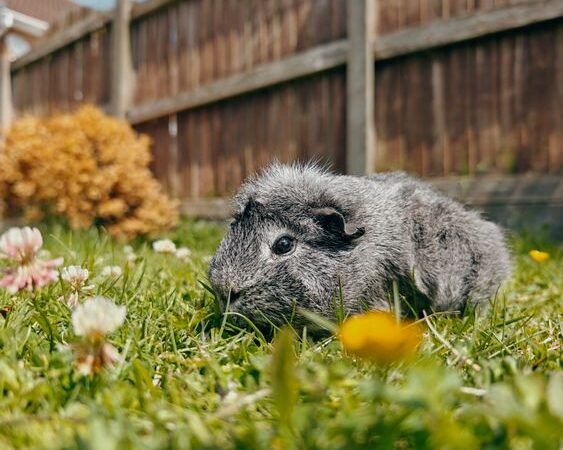
Knowing how to keep guinea pigs cool in summer is one of the most important things a new owner can learn, and it’s worth thinking about before the hottest days arrive rather than during them. Guinea pigs are surprisingly sensitive to warm temperatures, more so than most people realize, and a room that feels perfectly comfortable to us can be quietly dangerous for them.
The first summer I had guinea pigs, I didn’t fully appreciate how different their needs were from those of a dog or a cat. They cannot pant to regulate their temperature the way dogs do, and they don’t sweat through their skin. When a guinea pig gets too warm, the heat has nowhere to go, and things can deteriorate faster than most owners expect. Once I understood that, I became a lot more attentive about what the room temperature was doing on warm afternoons.
Why Guinea Pigs Struggle With Heat More Than Other Pets
Guinea pigs are most comfortable in environments between 65 and 75 degrees Fahrenheit. Once temperatures rise above 80 degrees, the risk of heat stress climbs significantly. At 86 degrees or above, a guinea pig can develop serious heat stroke within 30 to 60 minutes. Their small bodies simply cannot shed excess heat quickly enough, and because they’re often housed in enclosed spaces, warm air can accumulate around them without much circulation.
It helps to think of guinea pig summer care less as an occasional worry and more as a consistent awareness. A cool morning can turn into a warm afternoon quickly, and a cage placed near a window or in a spot that gets afternoon sun may be comfortable in winter and genuinely risky in July. A few small adjustments to their environment can make a big difference.
Signs Your Guinea Pig Is Getting Too Warm
The early signs of heat stress in guinea pigs are subtle and easy to miss, especially if you’re not looking for them. A guinea pig that is too warm might seem unusually still, stretched out flat against the bottom of the cage, or slower to respond than usual. Labored or rapid breathing is another signal to take seriously. Their ears may look red or flushed, and in some cases they may drool slightly.
If a guinea pig appears limp, is unresponsive, or is breathing with its mouth open, those are signs of a more serious emergency that warrants immediate veterinary attention. Because guinea pig vocalizations can tell you a lot about how they’re feeling, the absence of their usual sounds during a warm afternoon is sometimes itself a cue that something is off. A guinea pig that has gone uncharacteristically quiet on a hot day is worth a closer look.
Simple Ways to Keep Your Guinea Pig Comfortable in the Heat
The good news is that most summer heat management for guinea pigs involves straightforward, low-cost approaches. The key is having a few of them ready before you actually need them.
Frozen water bottles. This is the method most experienced guinea pig owners reach for first. Fill a plastic bottle with water, freeze it overnight, and wrap it in a small towel before placing it in or near the cage. Guinea pigs will often press themselves against it or simply lie near it. The towel is important because direct contact with something frozen can cause ice burn. Keeping two bottles so you can rotate them through the day works better than relying on one.
Cooling mats. Aluminum or marble cooling mats absorb and redistribute body heat, giving guinea pigs a surface to lie on that stays noticeably cooler than the surrounding bedding. The Comtim Small Animal Cooling Mat is a modest-sized aluminum pad that holds up well and is easy to wipe clean. It works best in combination with a frozen water bottle rather than as a standalone solution, since metal alone doesn’t generate coolness, it just provides a neutral resting surface.
Fans and shade. A fan running in the room can help a great deal, as long as it isn’t aimed directly at the cage. Gentle air circulation without a direct draft is the goal. If the cage is near a window, drawing curtains or blinds on the sunniest side of the room during peak afternoon hours can prevent the area from heating up significantly. Moving the cage away from exterior walls on very hot days can also help, since walls absorb outdoor heat throughout the day.
Bedding choices. Thicker paper bedding can trap warmth in the summer months. If you haven’t already considered fleece liners as an alternative, our guide to bedding choices for guinea pigs walks through the differences. Fleece tends to breathe a bit better and makes it easier to place a cooling mat flat against the cage floor, which paper bedding can sometimes obscure.
Monitor the temperature. Knowing what the actual air temperature is near your guinea pig’s cage takes the guesswork out of everything else. A simple digital thermometer placed nearby tells you exactly what they’re experiencing. The TempPro TP50 Digital Hygrometer reads both temperature and humidity, has a clear display, and is compact enough to tuck against the cage or mount on a nearby surface with its built-in magnet. At around eleven dollars, it’s a small investment for a reliable read on conditions that matter to them every day.
If You Think They’re in Distress
If a guinea pig is showing signs of heat stroke, the goal is to cool them gently and steadily, without shocking their system with something ice cold. Dampening a soft cloth with cool (not frigid) water and placing it on their back, ears, and feet can help bring their temperature down gradually. Refreshing the cloth regularly as it warms up continues the process. Move them to the coolest room in your home and contact a vet as soon as possible. Heat stroke in guinea pigs can become serious very quickly, and it’s always better to call and be reassured than to wait and see.
The key word in all of this is gradual. Sudden temperature shifts are their own kind of stress. A calm, measured response that brings their temperature down over ten to fifteen minutes is more helpful than reaching for ice or cold running water.
Common Questions
What temperature is too hot for guinea pigs?
Guinea pigs are most comfortable between 65 and 75 degrees Fahrenheit. Temperatures above 80 degrees put them at risk of heat stress, and at 86 degrees or higher, serious heat stroke can develop within 30 to 60 minutes. Monitoring the temperature near their cage during warm months helps catch rising conditions before they become a problem.
Can I use a fan to cool my guinea pig’s cage?
A fan running in the room can help with air circulation, but it should not blow directly onto the cage. Drafts can cause their own kind of discomfort and may dry out sensitive airways. Position the fan to keep the air in the room moving rather than aiming it straight at where your guinea pig rests.
Should I give my guinea pig extra water in the summer?
Guinea pigs should always have access to fresh water, and checking their bottle or bowl more frequently during hot weather is a good habit. Offering water-rich vegetables like cucumber or lettuce in small amounts can also add a little extra hydration to their diet during warm months. Make sure their water source isn’t sitting in direct sunlight, which can warm it quickly.
Summer is meant to be a season your guinea pig gets to enjoy safely from a cool, comfortable corner of your home, not a season to worry through. Setting up a few simple cooling measures now, before the hottest days arrive, means you can relax a little more on those warm afternoons and focus on the good parts, like watching them popcorn over a slice of cucumber they’ve decided is the best thing that’s ever happened to them.
Leave a Reply
You must be logged in to post a comment.