
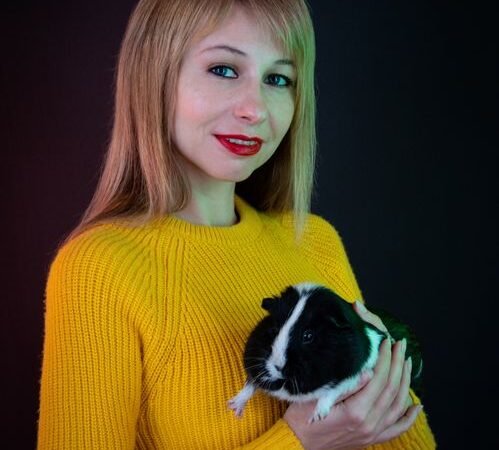
Building trust with a shy guinea pig is a slow process, and that is actually the whole point. Guinea pigs are prey animals wired for caution, and a new guinea pig who hides, freezes, or bolts at the sight of a hand is not broken or unfriendly. Most shy guinea pigs come around over weeks and months with patient, low-pressure presence, and the bond that forms through that kind of quiet persistence tends to be genuinely warm.
There was a period with one of our piggies, a little agouti named Clover, when every interaction felt like a negotiation. She would flatten herself against the far corner of her cage the moment anyone leaned over. It was hard not to take it personally. But looking back, that early wariness was just Clover being a guinea pig. She was reading her environment carefully before deciding whether to trust it.
Understanding Why a Shy Guinea Pig Hides
Guinea pigs have no real defenses. They cannot scratch, bite hard enough to matter, or fight off a predator. What they have is speed and a finely tuned alarm system. When something large and unfamiliar reaches toward them from above, their nervous system responds exactly as it should for an animal in the wild: run, hide, stay very still.
This matters to understand because it reframes the experience. A guinea pig who scrambles away is not rejecting the person reaching in. The guinea pig is just doing what guinea pigs do. Building trust means creating enough calm, repeated experiences that the nervous system gradually learns there is no threat here. That takes time, and the timeline is different for every pig.
Starting with the Cage Environment
Before focusing on hands and handling, it helps to look at the cage itself. A shy guinea pig needs more than food and water. The presence of good hiding spots is genuinely calming for a nervous pig, because it gives them somewhere to go when they feel overwhelmed. A guinea pig who can retreat to a cozy tunnel tends to be a less reactive guinea pig overall.
We have found that soft, enclosed tunnels work better for shy piggies than open wooden houses. The tunnel feel lets them disappear completely, which is exactly what they need at first. The CAVYPOP Guinea Pig Tunnel is one we have used and liked, with its washable felt construction and the cheese-hole side openings that let piggies peek out without fully committing to the open world. For more thoughts on building a cage environment that feels secure, our post on bedding and cage comfort has some useful context.
The Art of Sitting Still
One of the most underestimated trust-building tools is simply being present without doing anything. Sitting beside the cage and reading, working at a nearby desk, or chatting quietly while going about other tasks lets the guinea pig hear and smell the person without any pressure to respond. Over days and weeks, that voice and presence becomes familiar rather than alarming.
This stage requires resisting the urge to force connection. Reaching in repeatedly to try to pet or pick up a nervous guinea pig tends to deepen the wariness rather than ease it. The goal at this point is not interaction. It is simply coexistence, until the guinea pig begins to approach the cage bars with curiosity rather than retreating from them.
Hand-Feeding as a Trust-Building Language
Once a guinea pig is comfortable moving around the cage while a person is nearby, the next step is introducing the hand as a source of good things. Hand-feeding is the single most effective trust-building practice for shy guinea pigs, because it creates a clear and repeatable association: hand appears, something wonderful happens.
High-value treats work best here. Clover was largely indifferent to her everyday pellets when offered by hand, but small pieces of fresh bell pepper, a bit of romaine, or a proper baked treat made her pause and reconsider. The Oxbow Simple Rewards Apple Banana Treats have been a genuine favorite in our home, made with timothy hay and nothing artificial. The key is holding the treat still and waiting. If the guinea pig does not come forward, that is fine. The treat goes back in the bag. No pressure, no pursuit. Tomorrow is another chance.
As the guinea pig gets more comfortable eating from a still hand, the trust conversation begins to shift. The hand becomes associated with calm and good things rather than uncertainty and sudden movements.
Moving Toward Floor Time and Handling
Floor time is a wonderful next stage in building trust, because it gives a shy guinea pig a chance to explore freely and approach the person on their own terms. Sitting on the floor, legs extended, staying quiet, and letting the guinea pig move around the space at will is very different from reaching into the cage. The guinea pig has more agency, and many shy piggies who would never willingly approach a hand inside the cage will tentatively sniff a foot or climb over a knee when given that kind of open, unhurried floor time. We wrote more about setting up a good floor time space in our floor time enrichment guide.
Picking up is often the last piece of the puzzle. For most shy guinea pigs, it helps to wrap them in a small fleece blanket or snuggle sack when lifting, which reduces the sensation of open air and uncertain support. Once they are settled on a lap, many pigs who seem impossible to handle in the cage become quite calm. The Tater Pets Snuggle Sack has been a favorite for lap time, because the guinea pig can tuck inside it and feel enclosed even while being held. Clover used to fall asleep in hers by the third or fourth week of regular lap time, which still feels like a small miracle.
Common Questions
How long does it take to build trust with a shy guinea pig?
There is no single timeline, and that is worth accepting early. Some guinea pigs become comfortable within a few weeks; others take three to six months of patient, consistent interaction. Rescue guinea pigs or those with minimal early handling often take longer. Progress tends to come in small, easy-to-miss steps rather than sudden breakthroughs, so keeping a loose mental note of small improvements can help. The fact that a pig who once bolted now pauses for half a second before retreating is real progress, even if it does not feel like it.
Is it okay to just leave a shy guinea pig alone?
Giving a new guinea pig a quiet settling-in period of a week or two before attempting much interaction is genuinely kind and recommended. After that initial period, gentle and consistent presence helps more than avoidance. A guinea pig who never has positive experiences with people tends to stay fearful of them. The goal is not to overwhelm a shy pig with attention, but to keep offering calm, low-stakes interactions so the nervous system has material to work with.
What if the guinea pig only seems comfortable with one person?
This is very common, especially with shy piggies in households with multiple people. Guinea pigs tend to bond most strongly with whoever spends the most quiet time near them, whose voice they know best, and whose hands reliably bring treats. Other household members can build their own relationship by sitting in the same room regularly and taking over hand-feeding duties for a few sessions each week. The process is the same; it just takes a bit longer with a less familiar person.
Earning the trust of a shy guinea pig is one of the quieter joys of keeping these small animals. It moves on their timeline, not ours, and the whole thing is an invitation to slow down and pay attention to very small signals. The day Clover stopped running and came to the cage bars when she heard the treat bag rustle was not dramatic at all. It was just a moment, easy to miss, that said everything.
Leave a Reply
You must be logged in to post a comment.